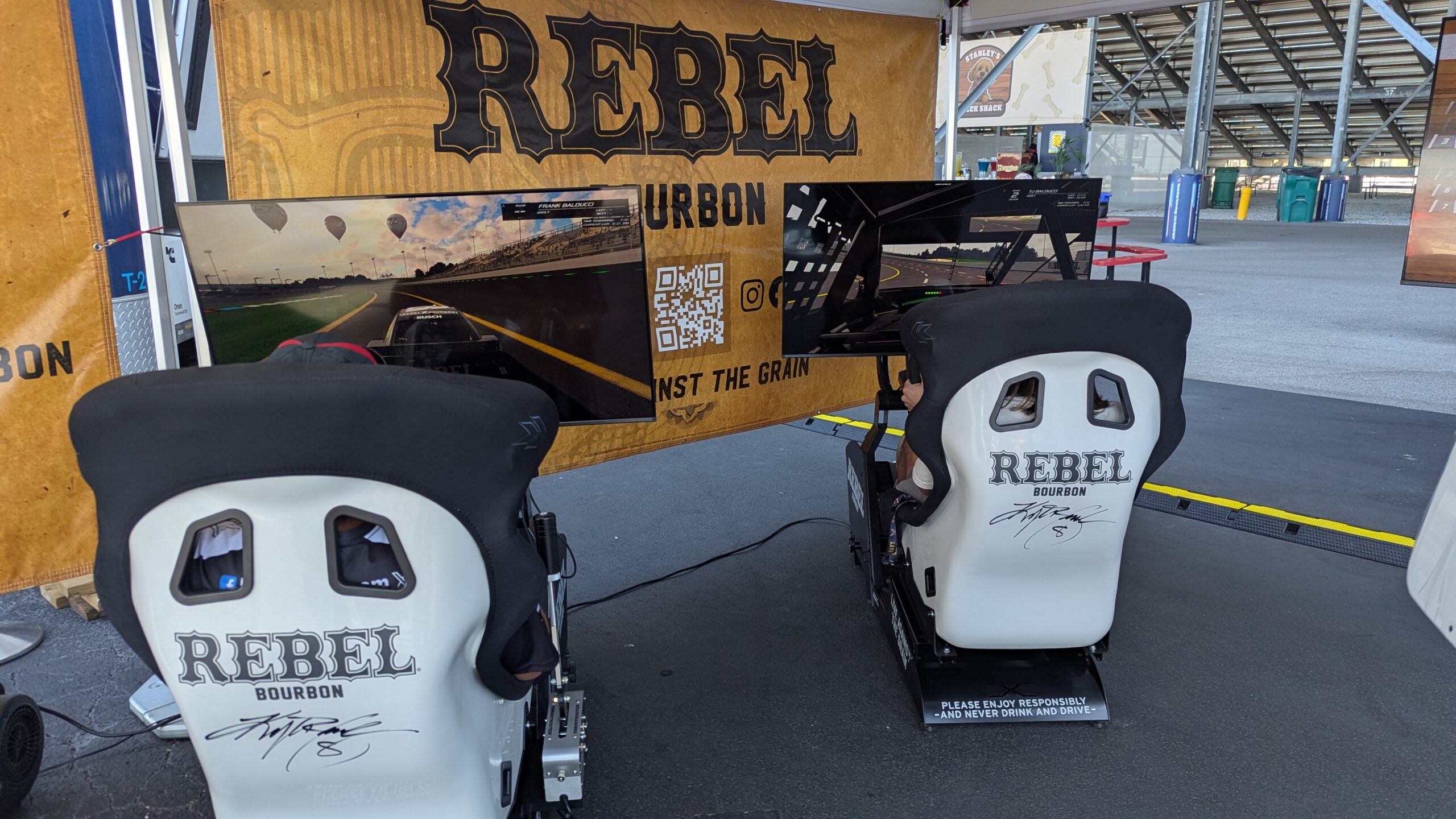
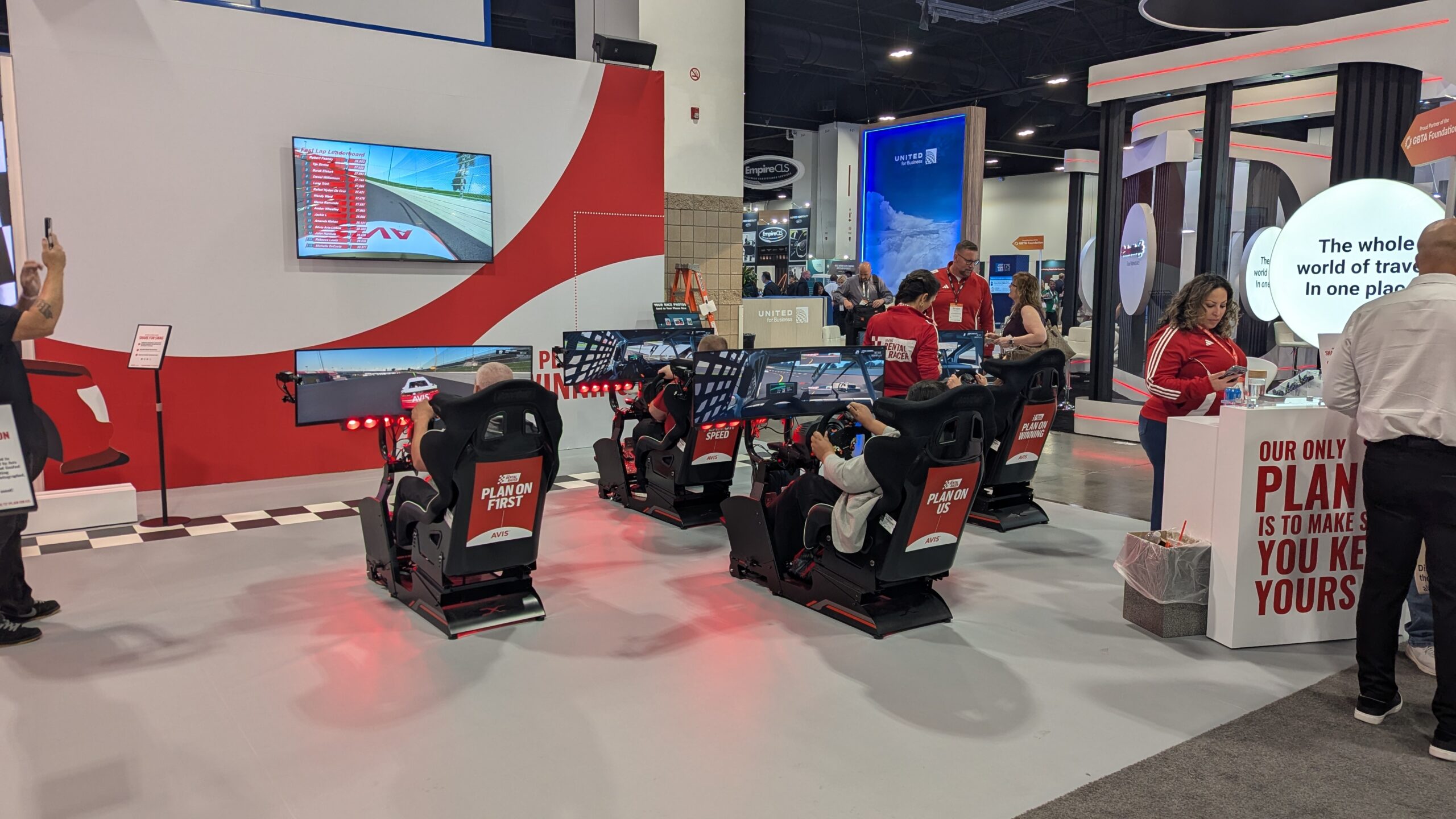
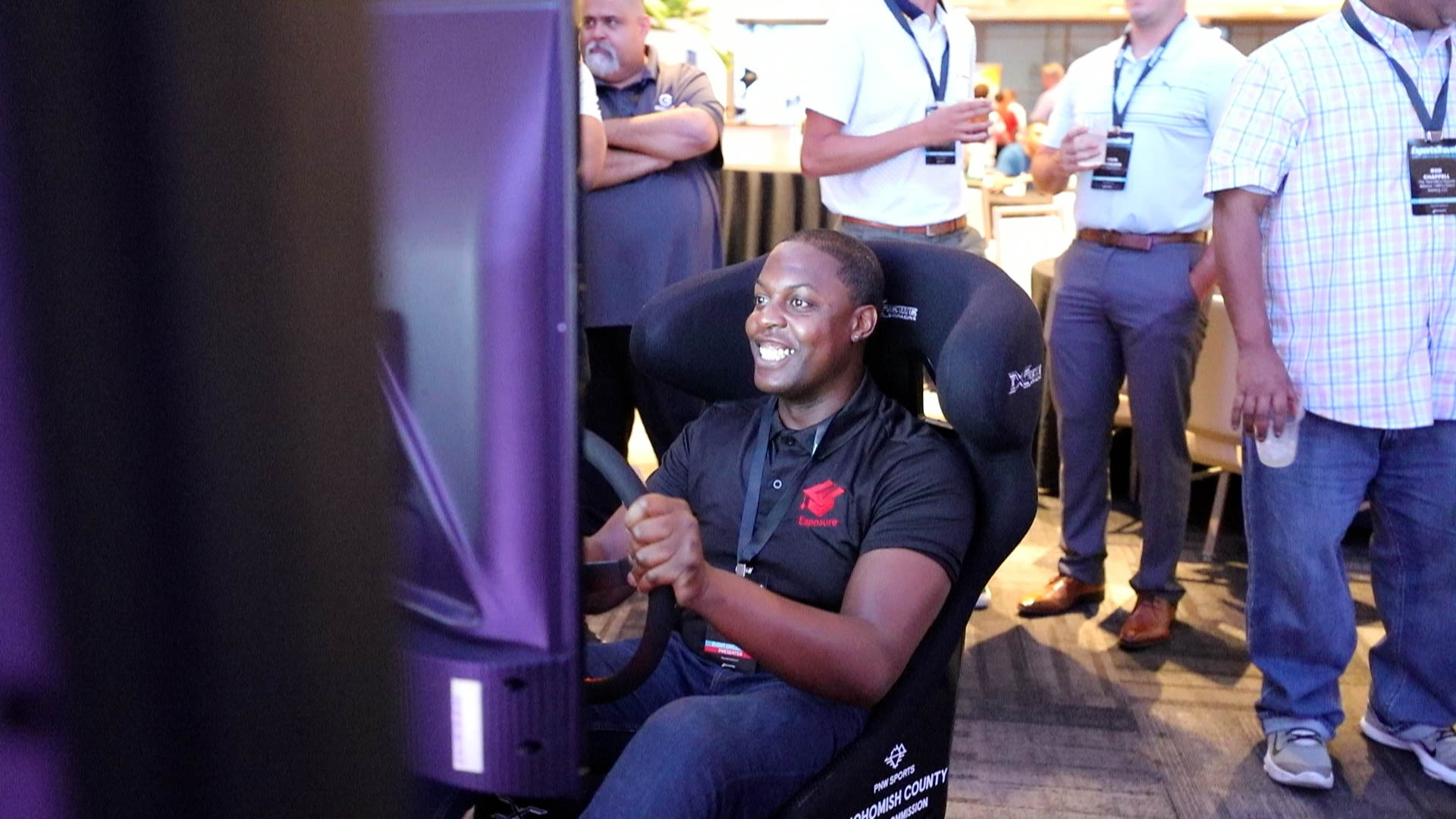
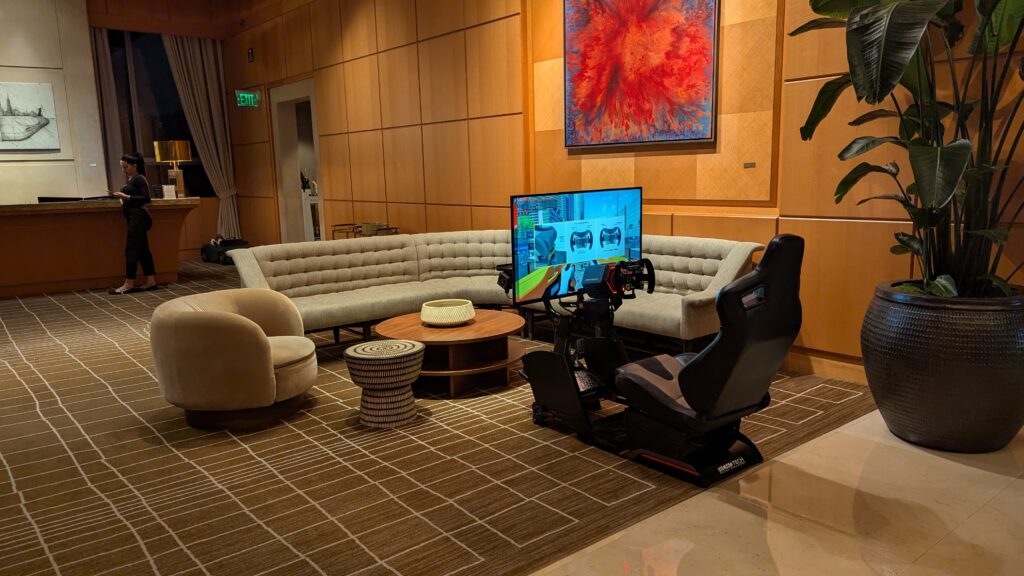
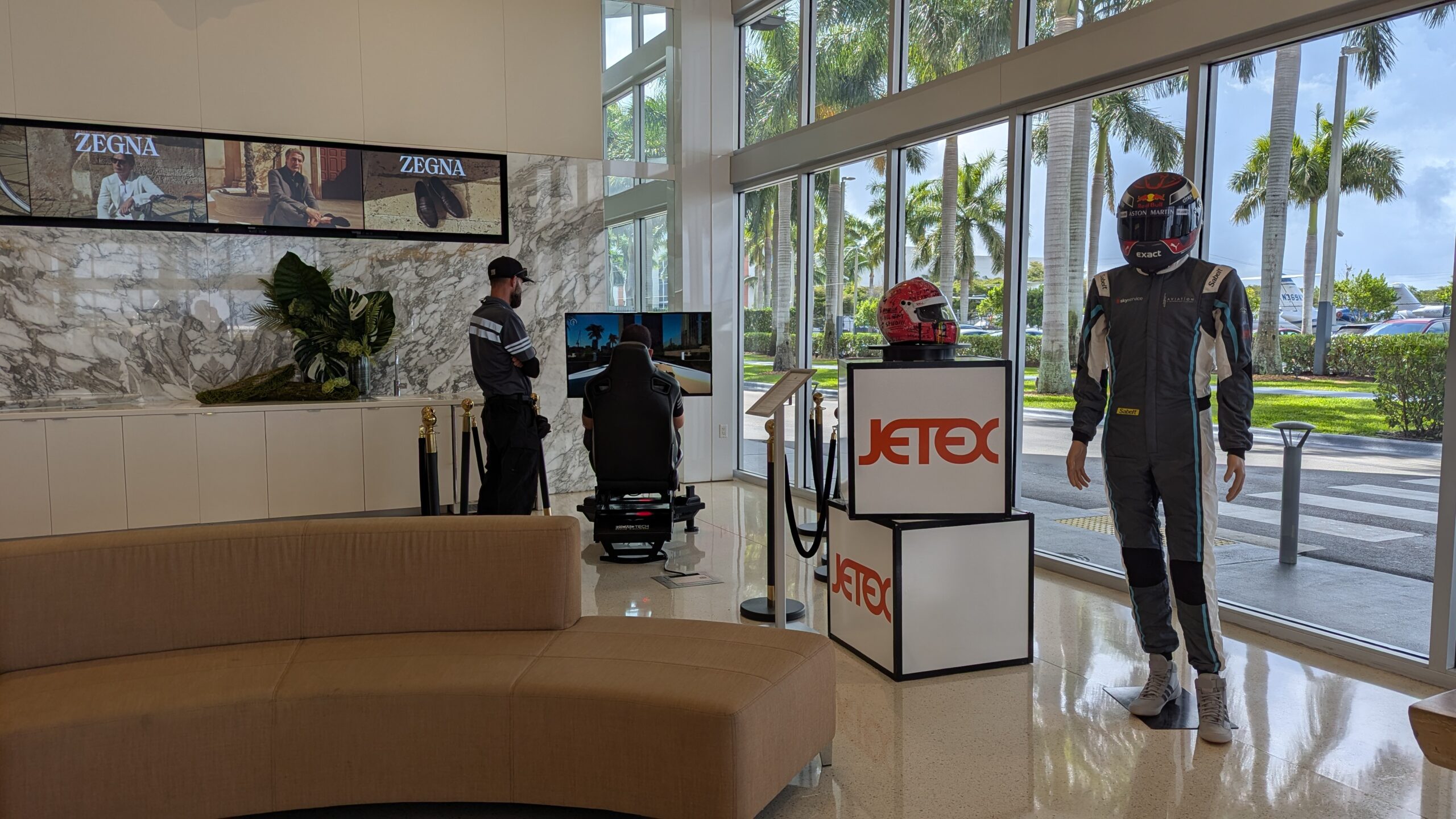
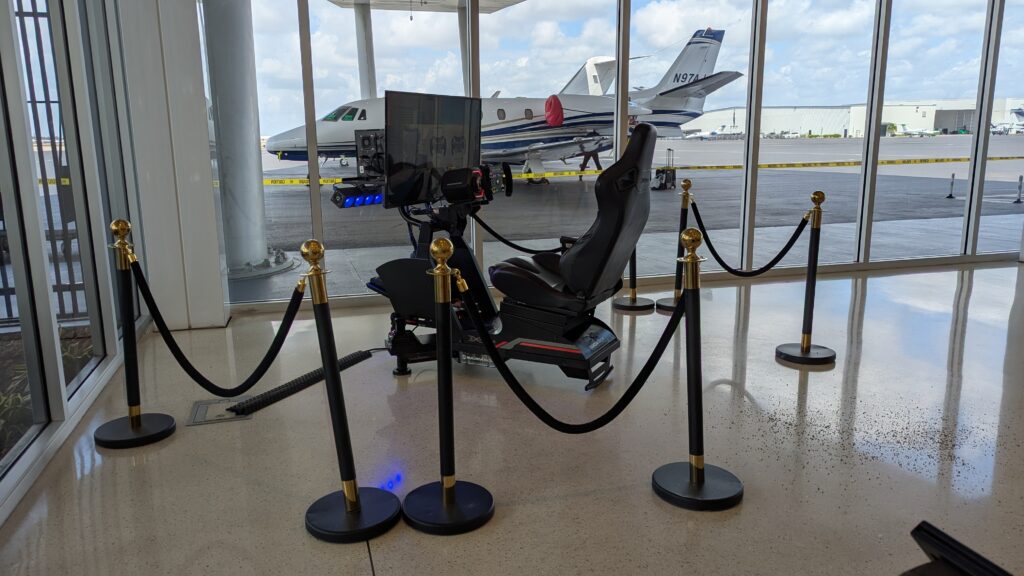
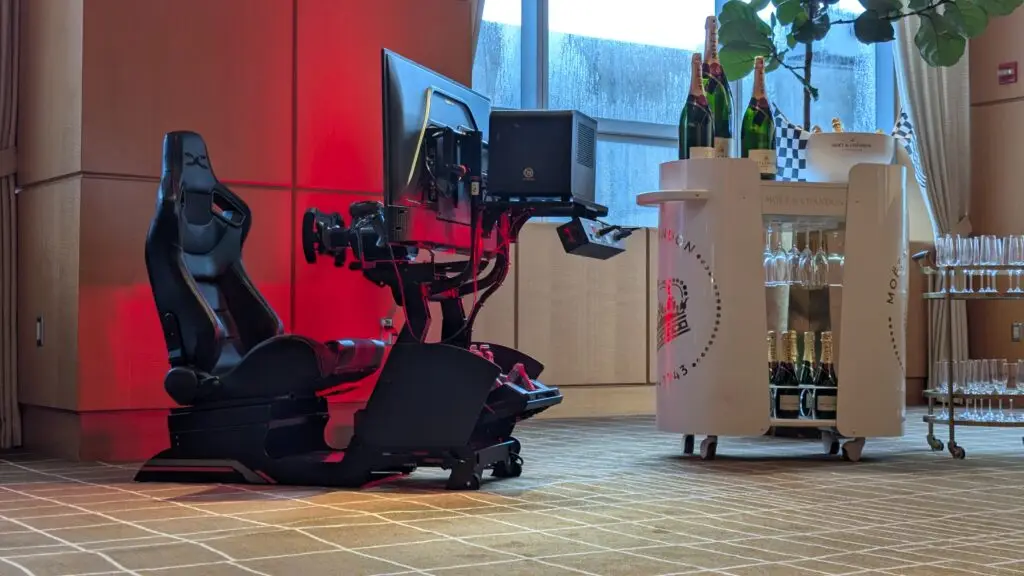
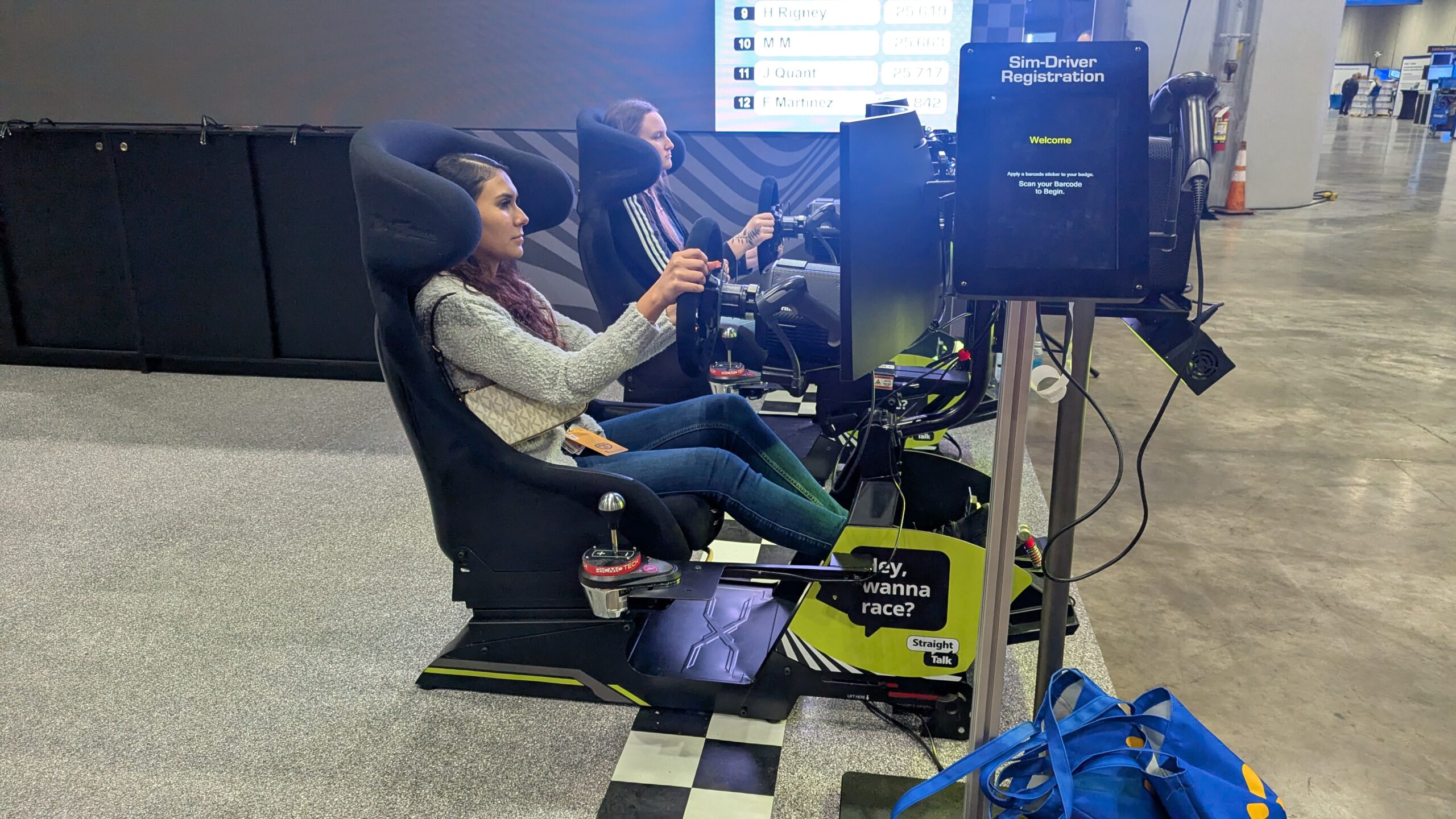
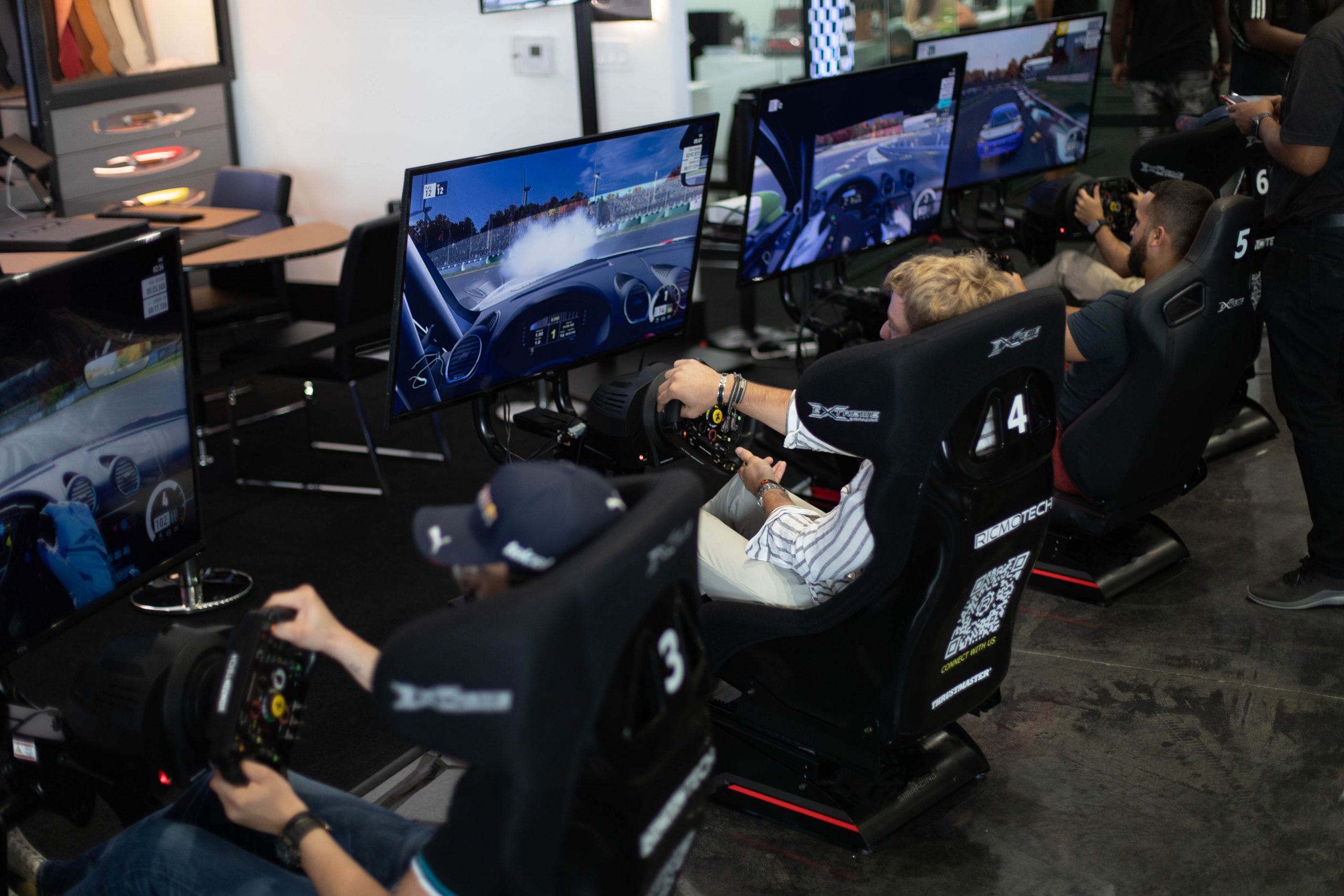
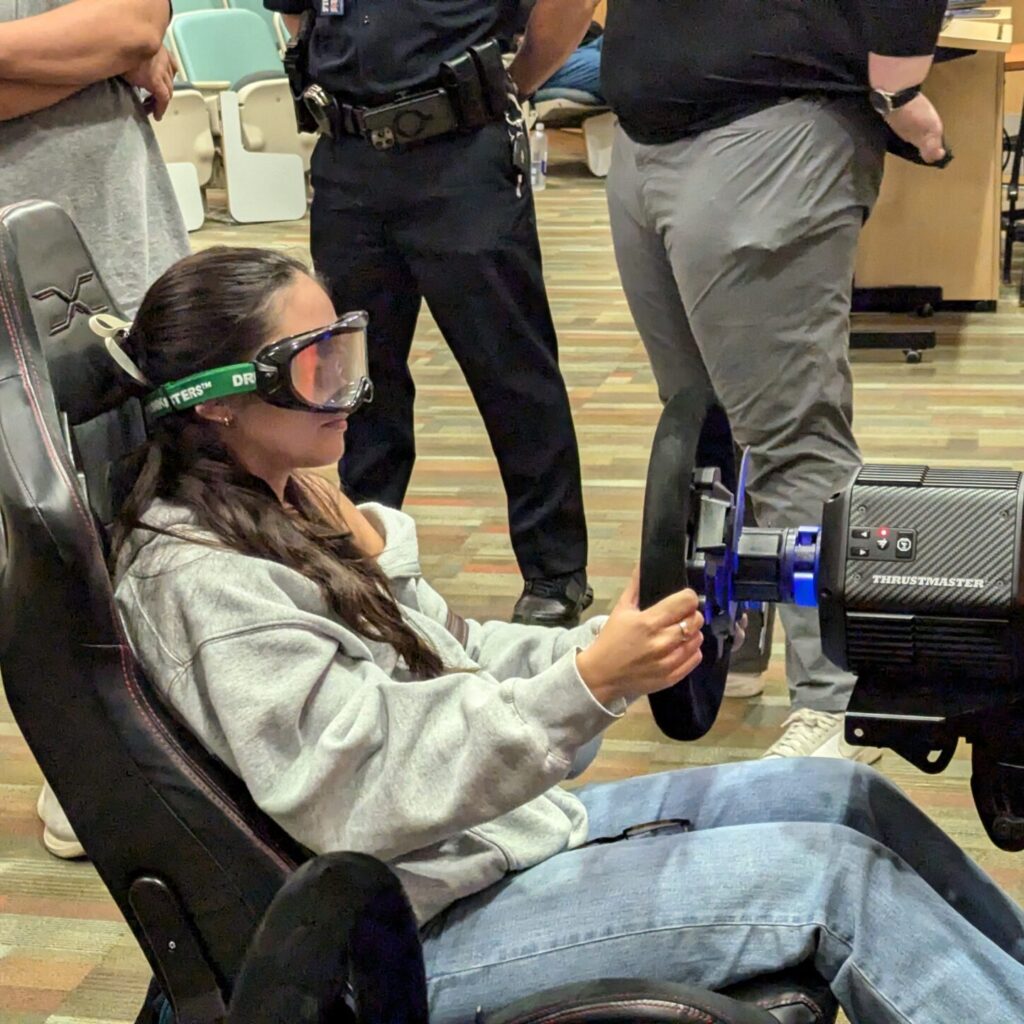
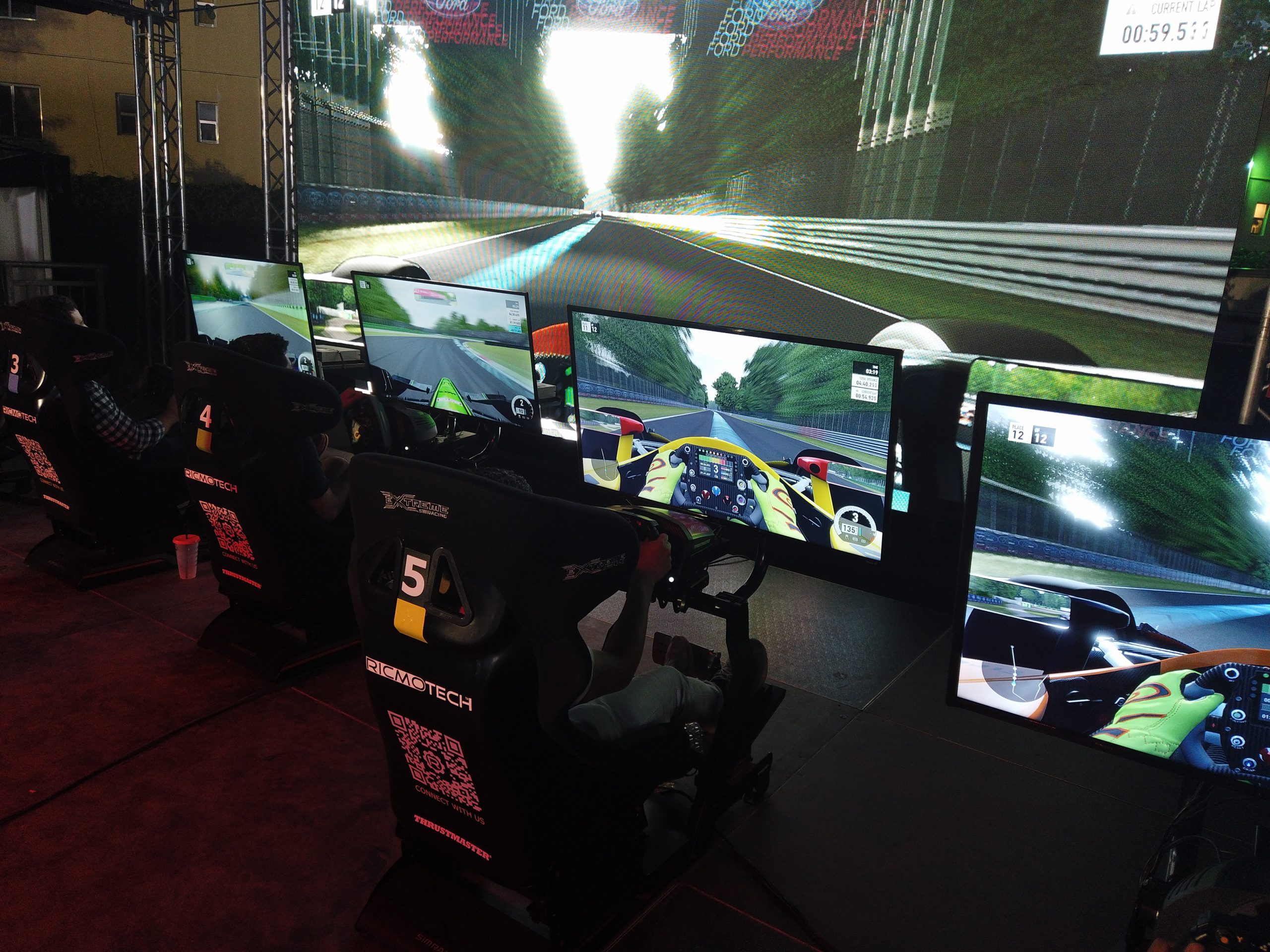
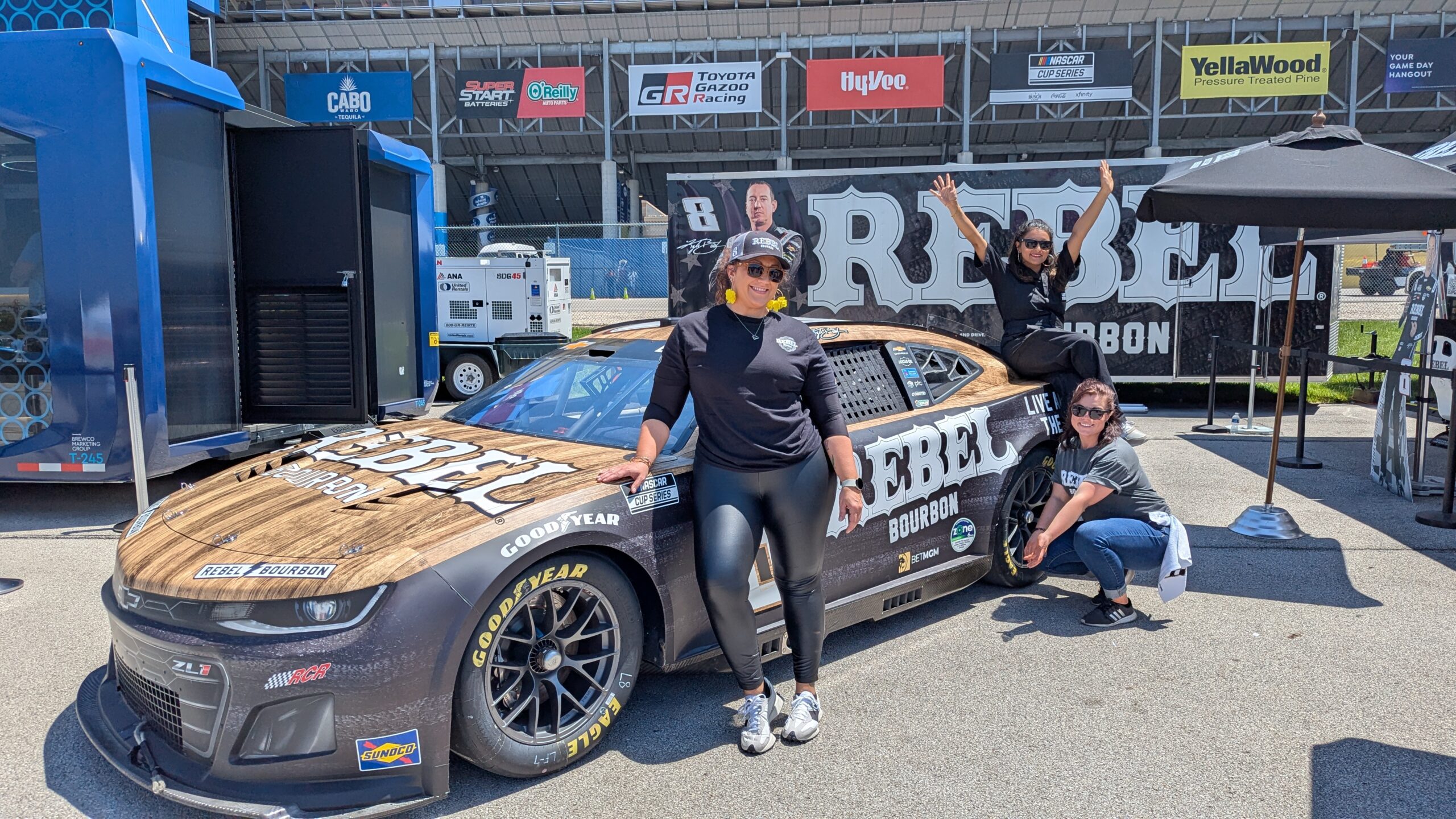
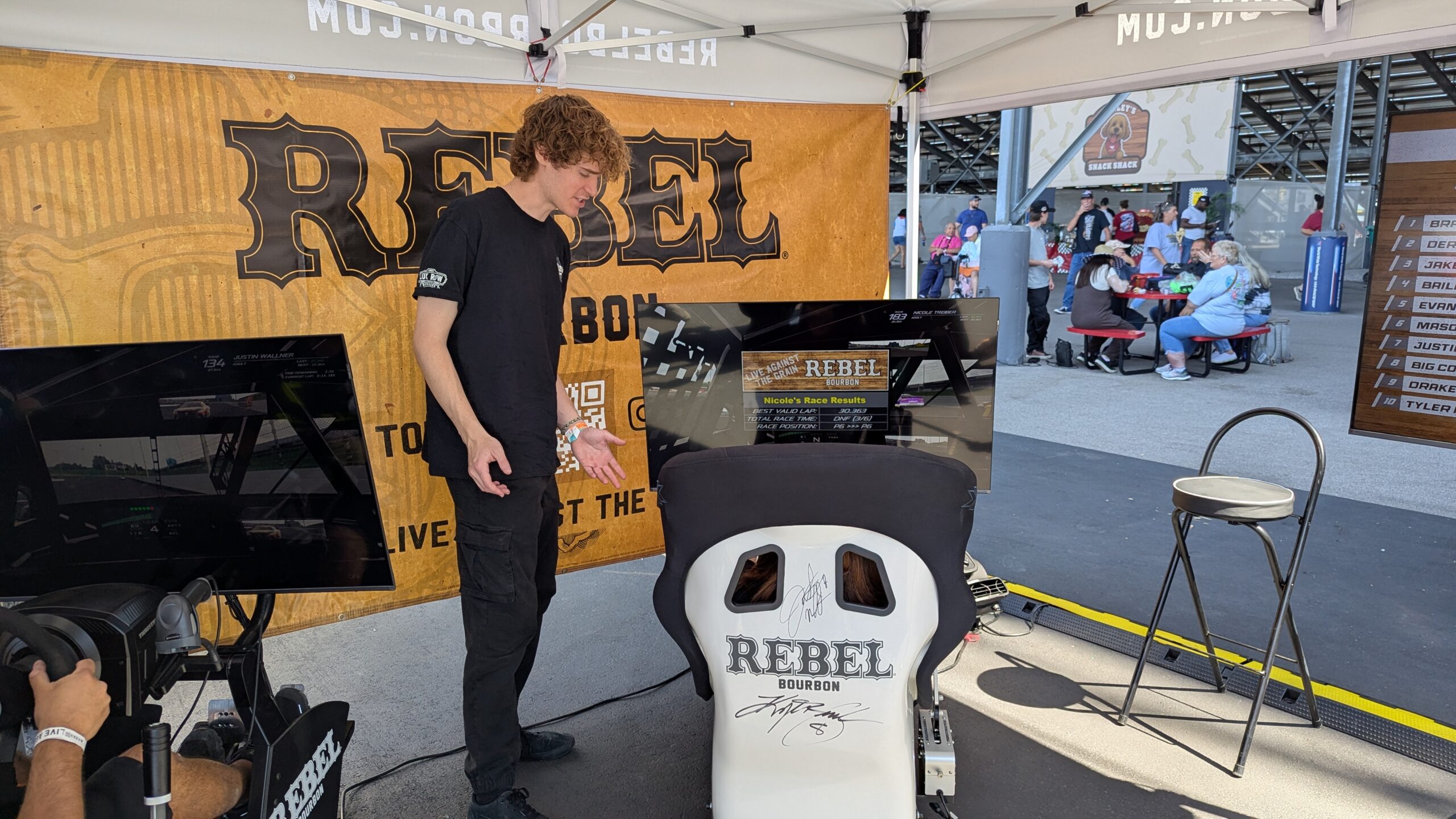
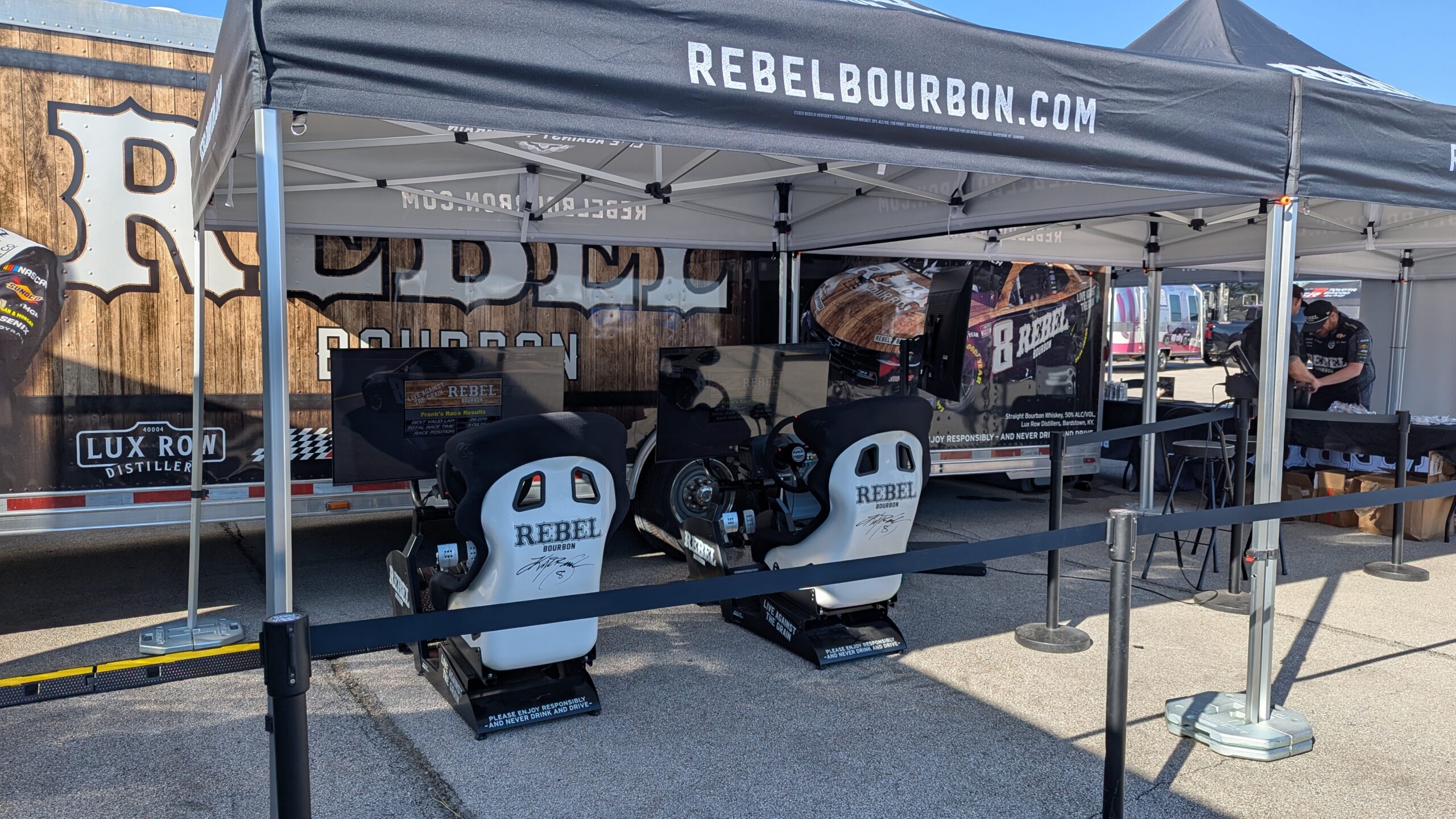
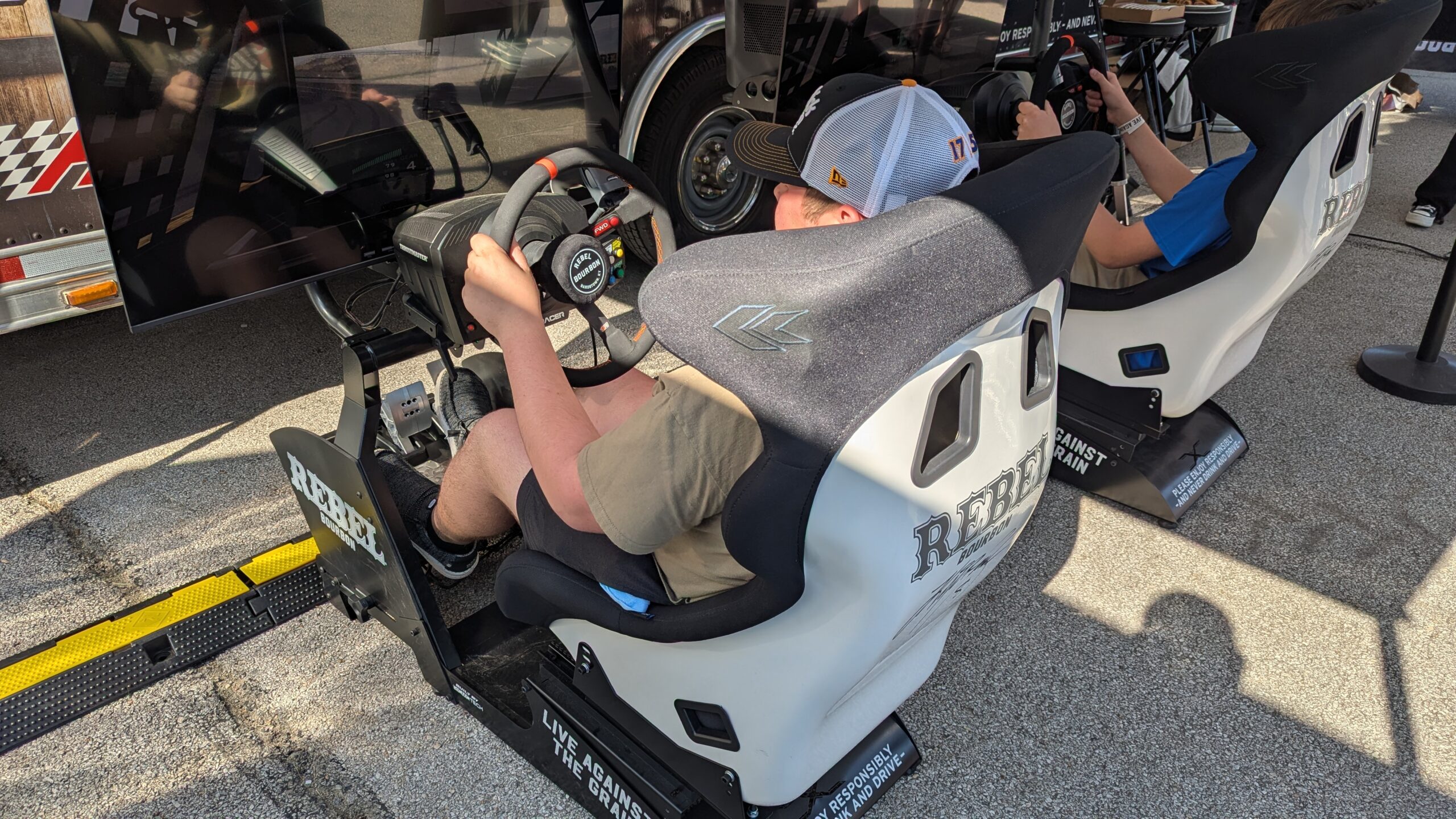
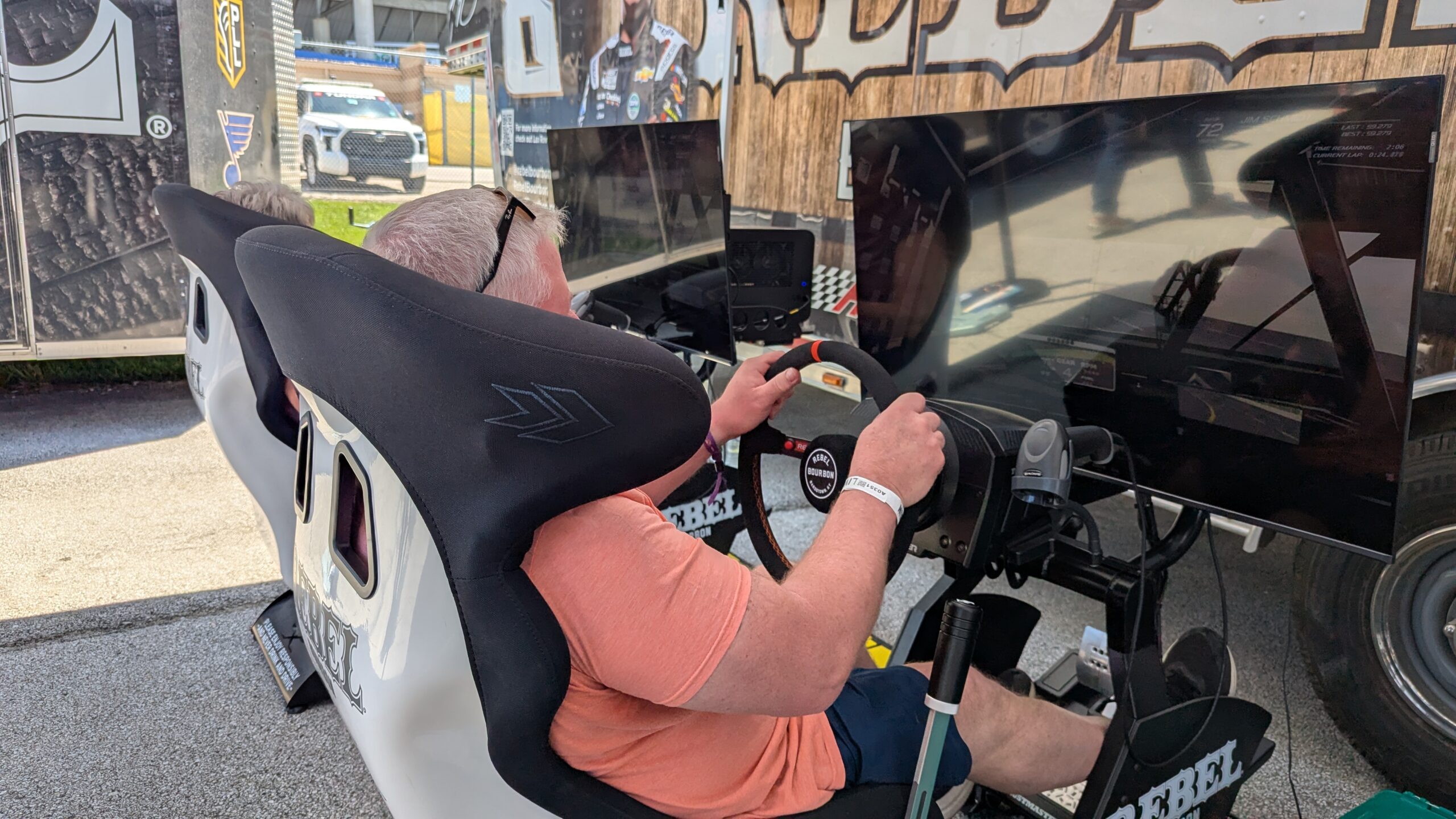
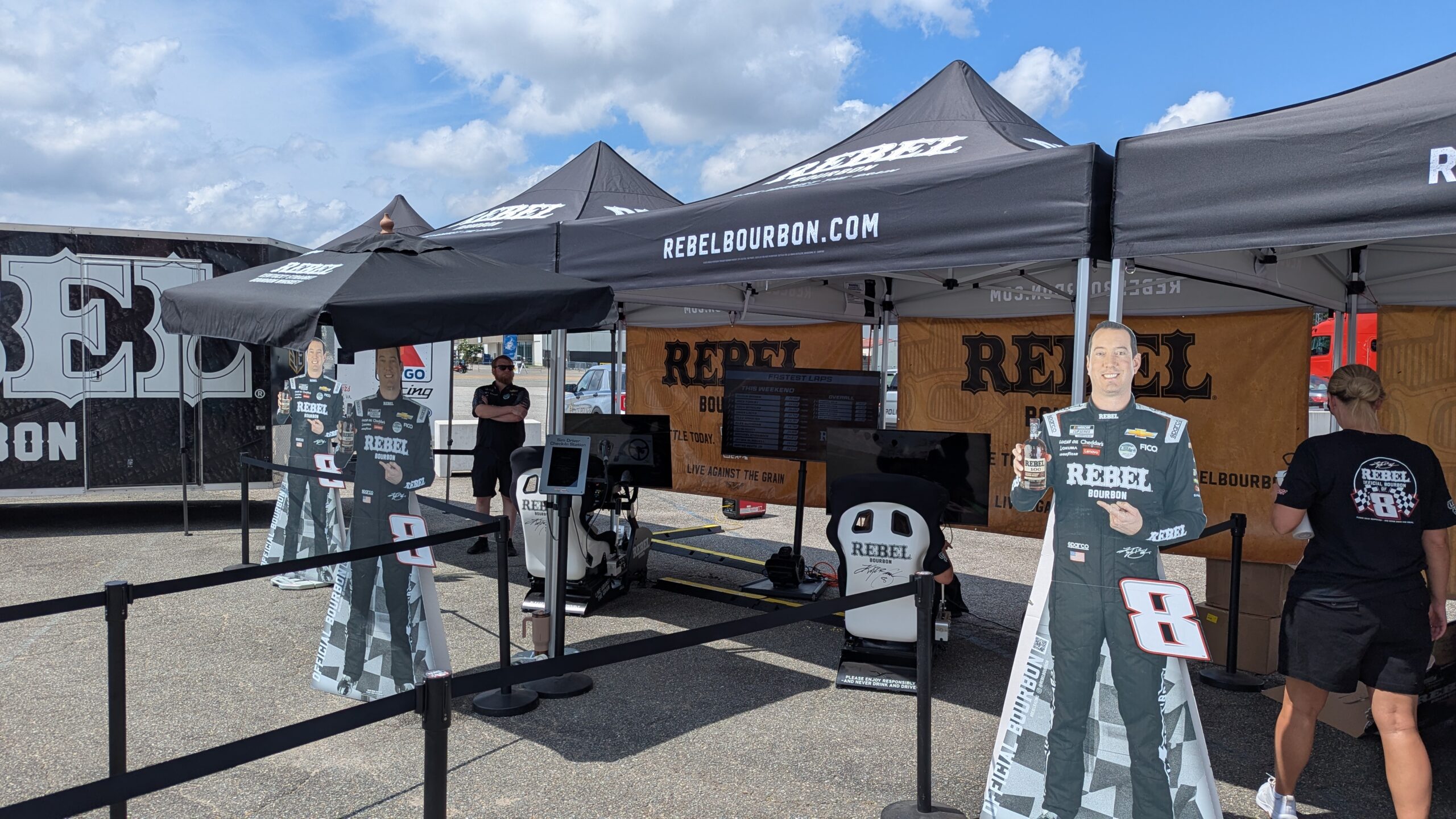
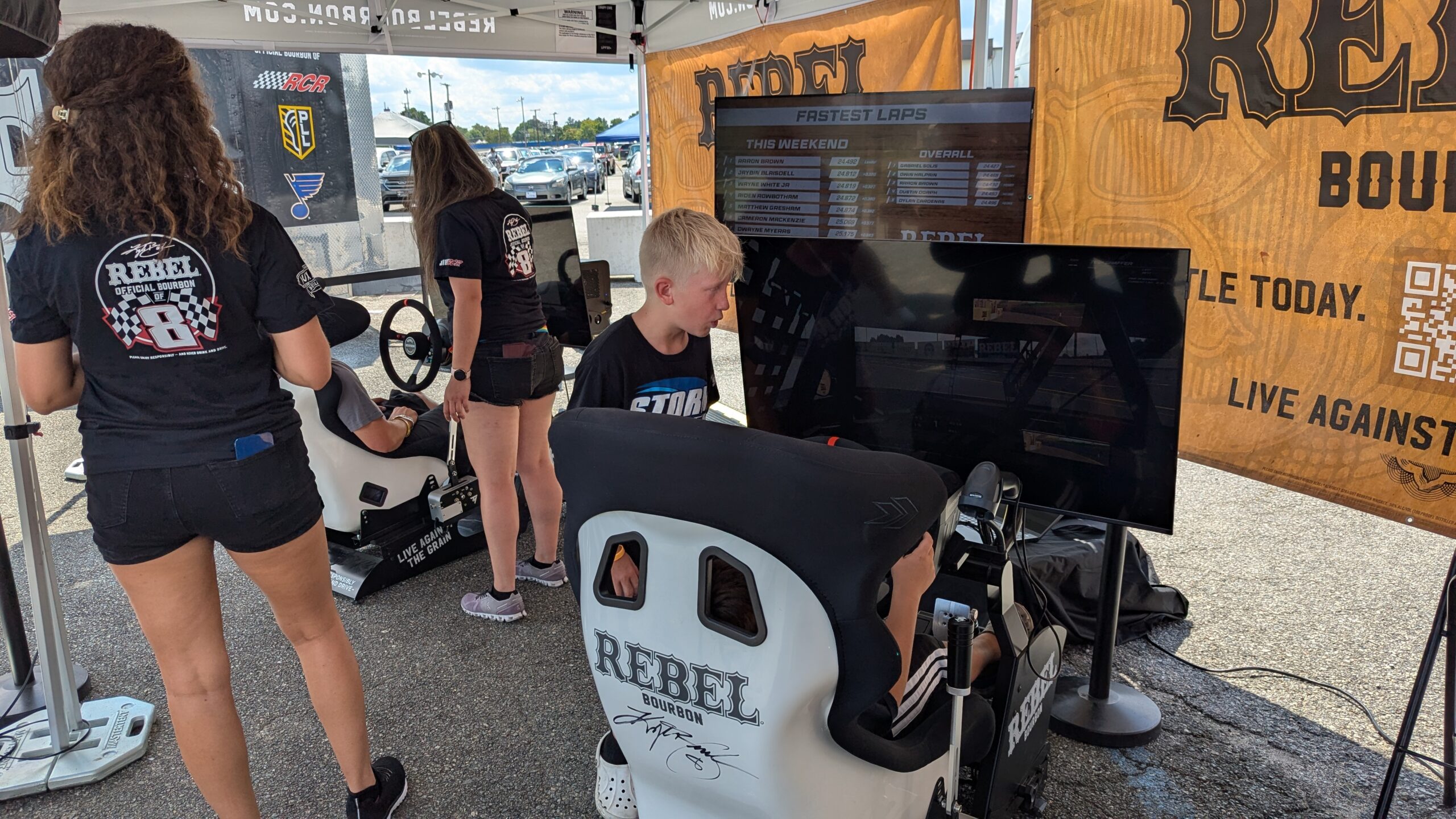
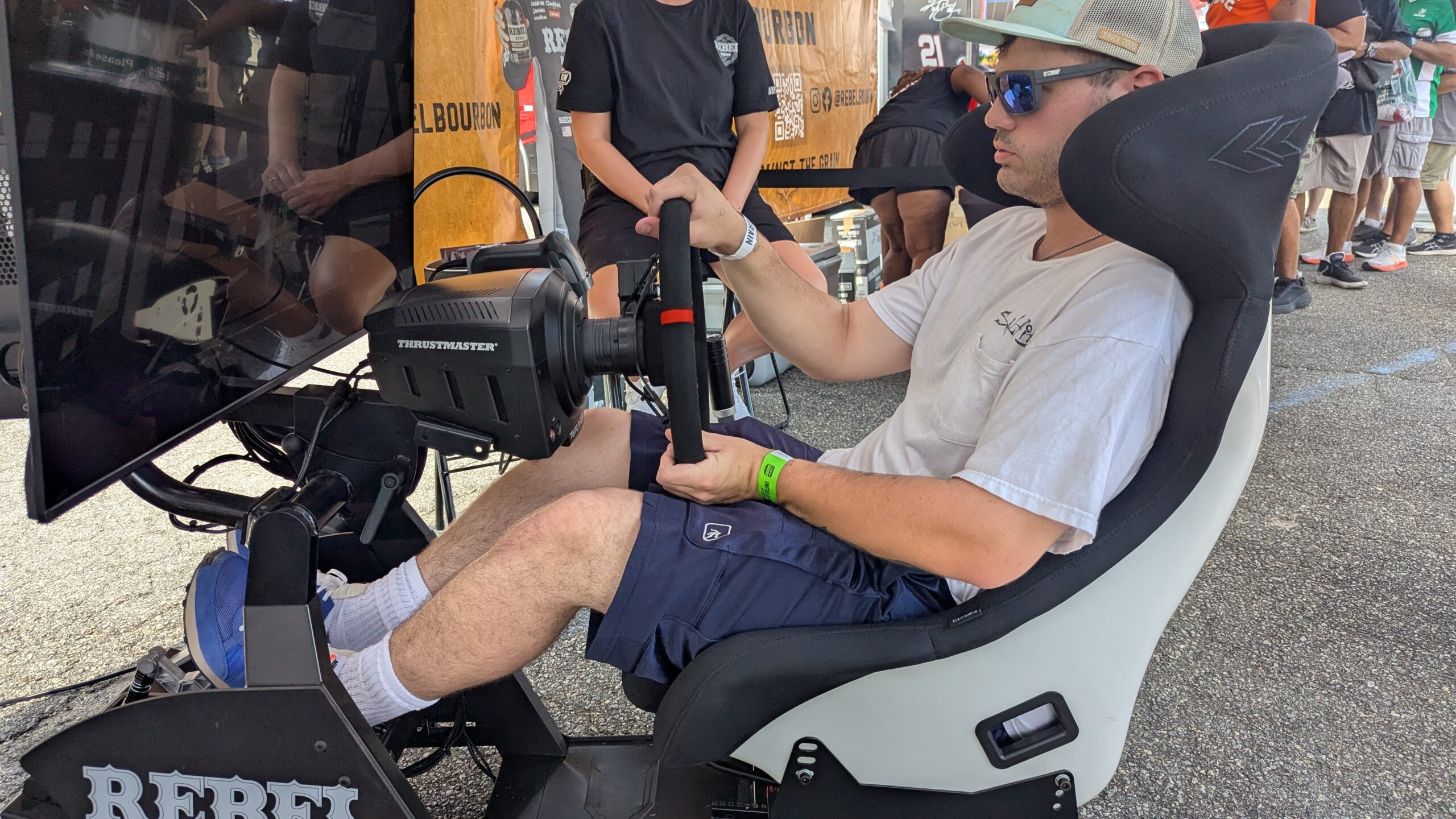
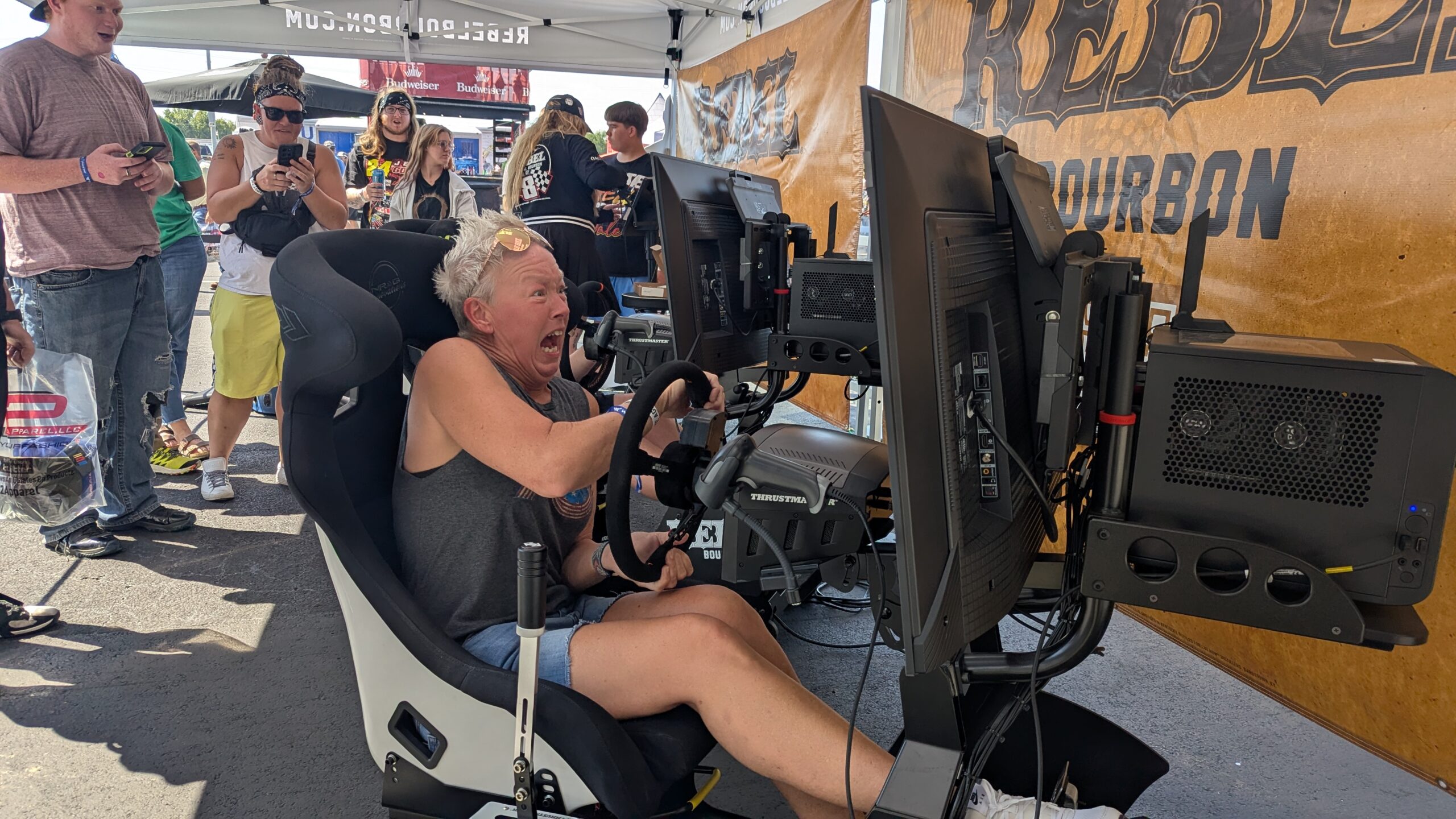
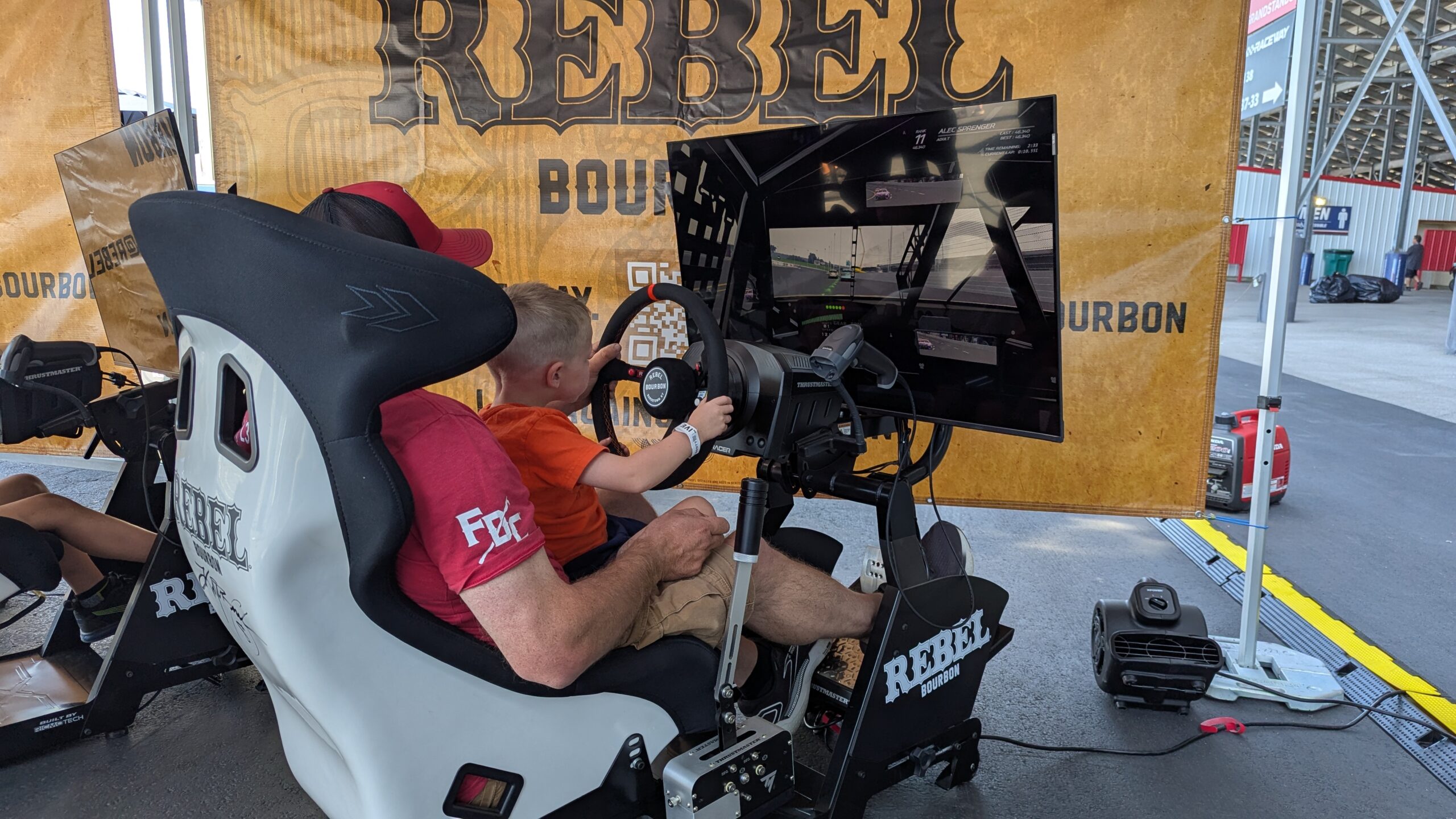
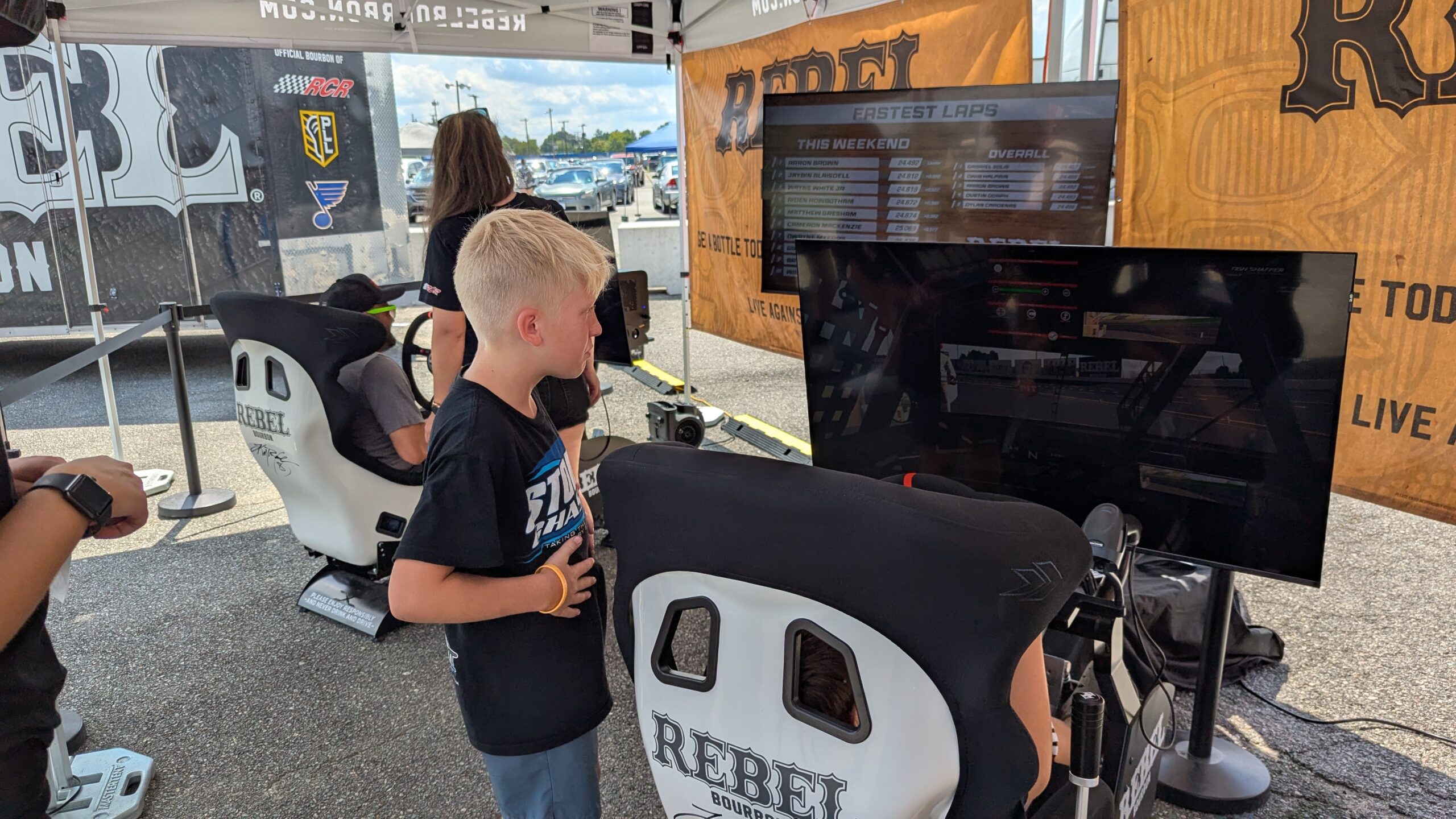
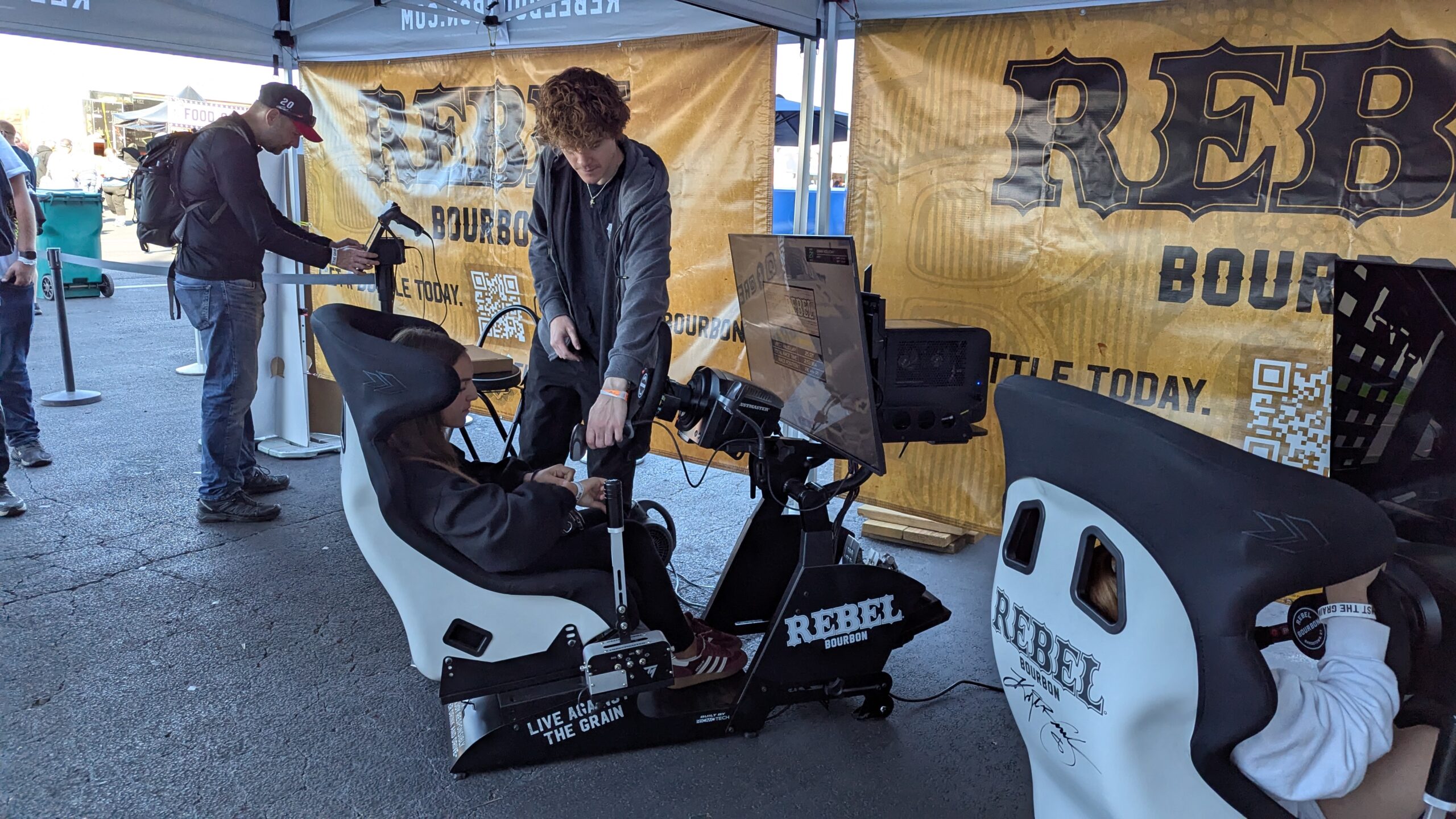
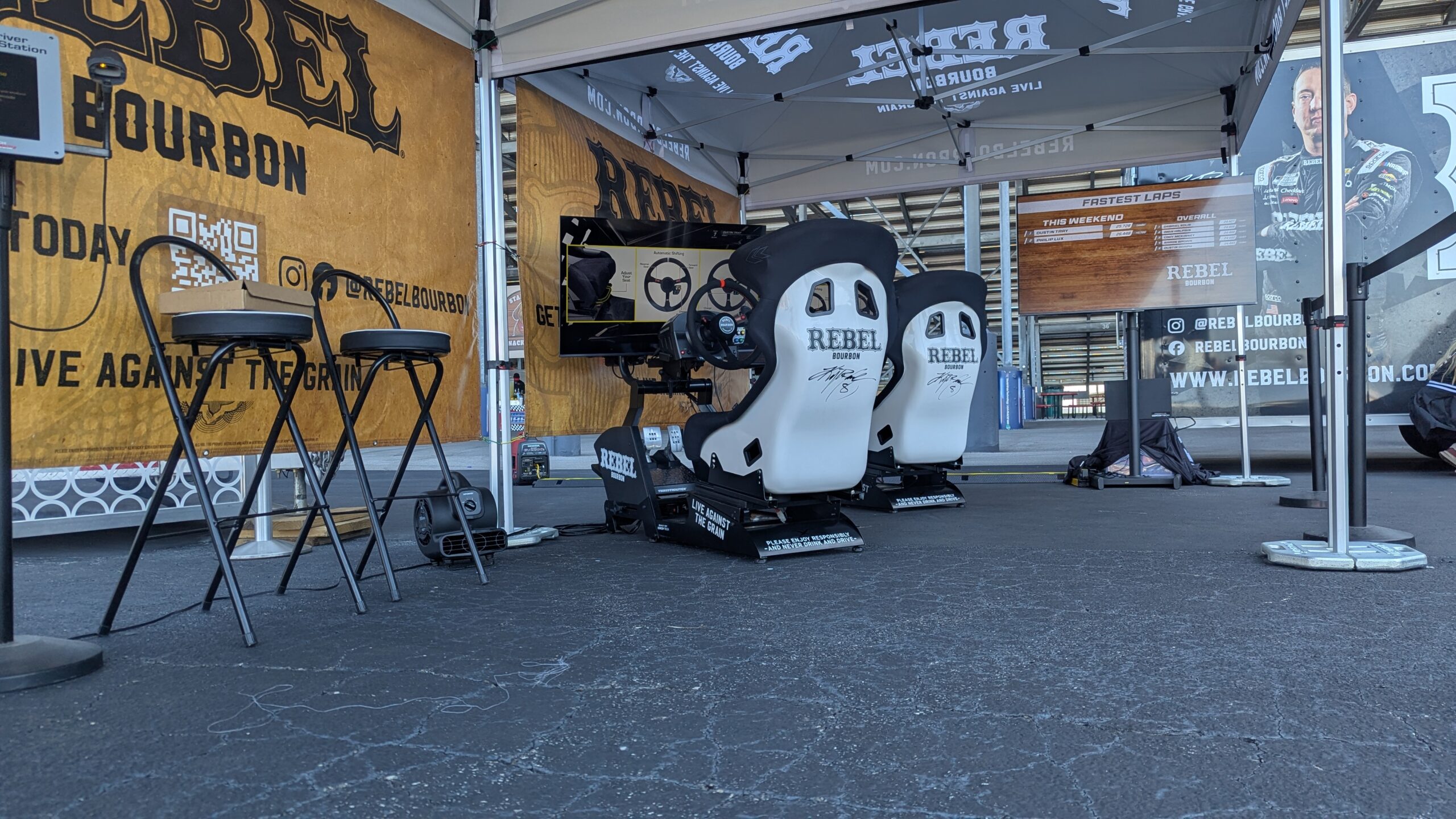
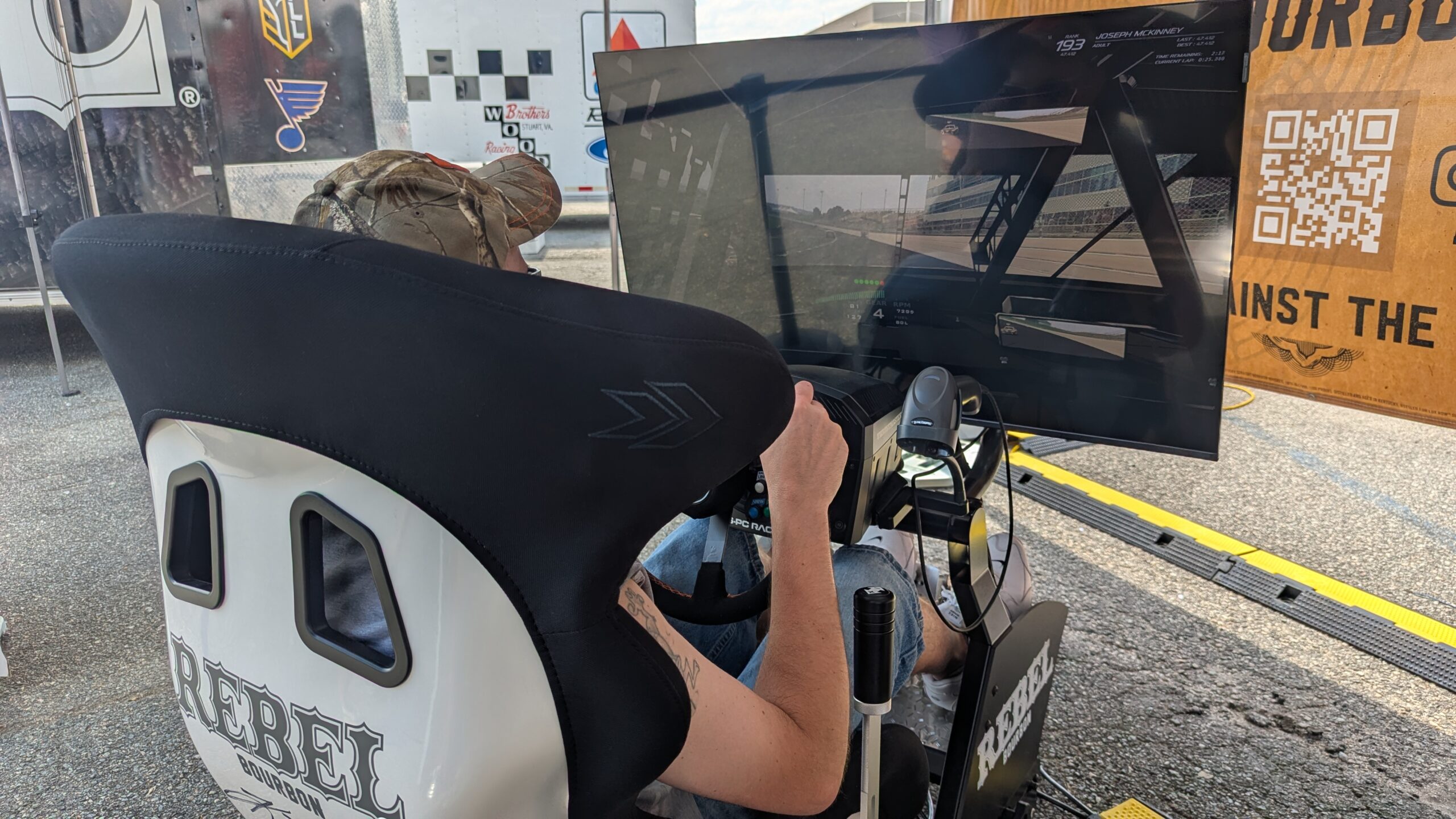
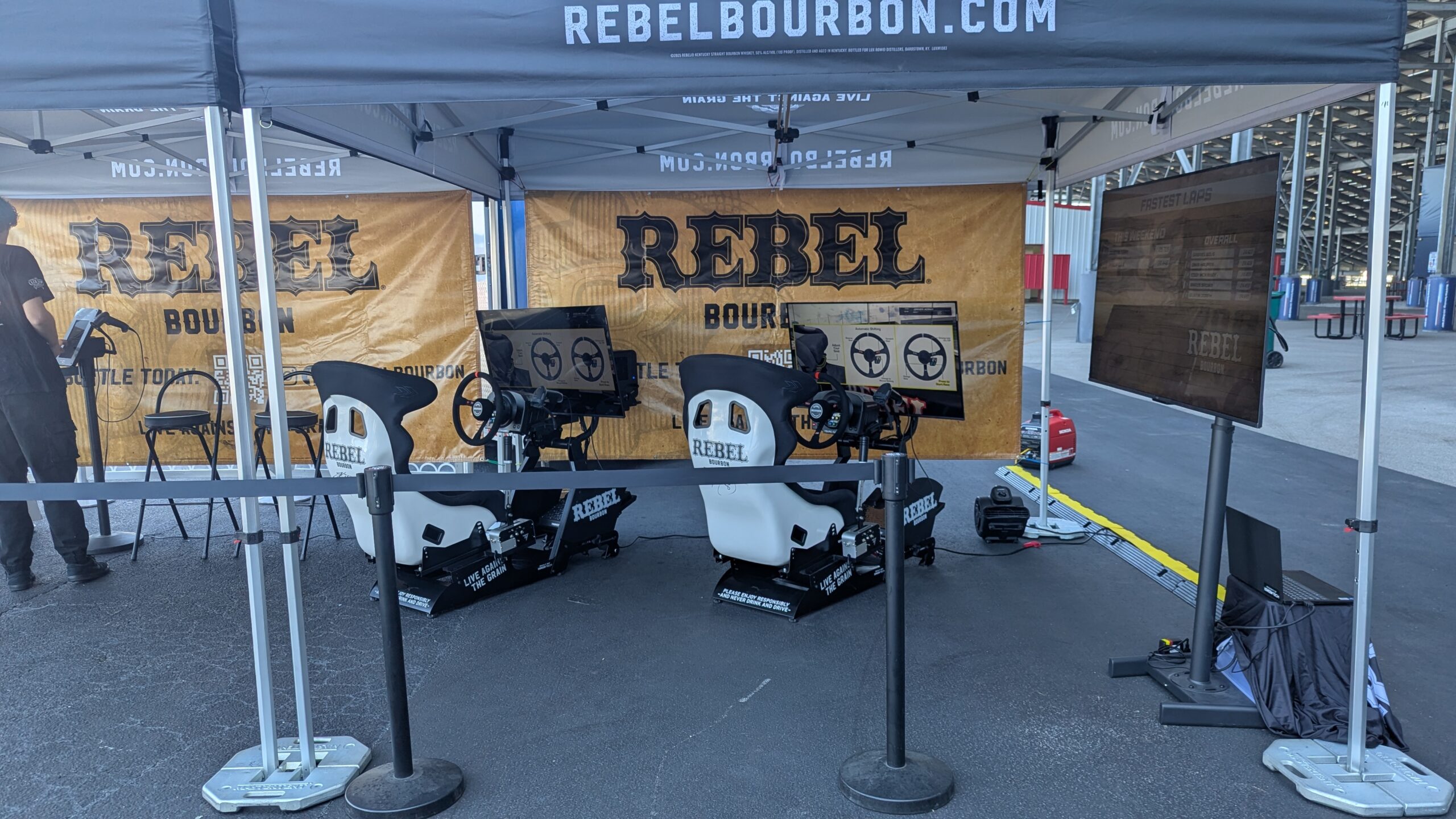
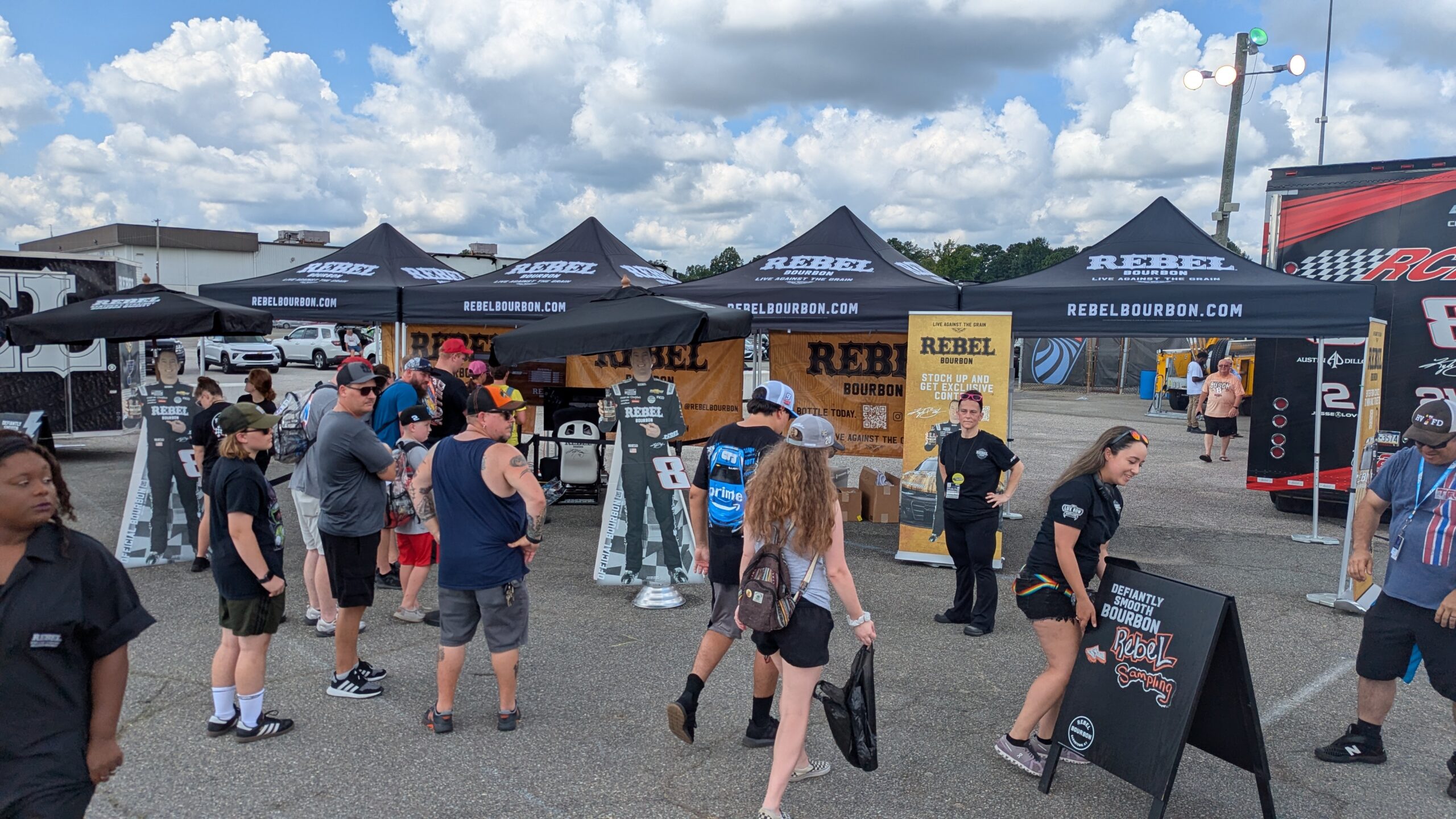
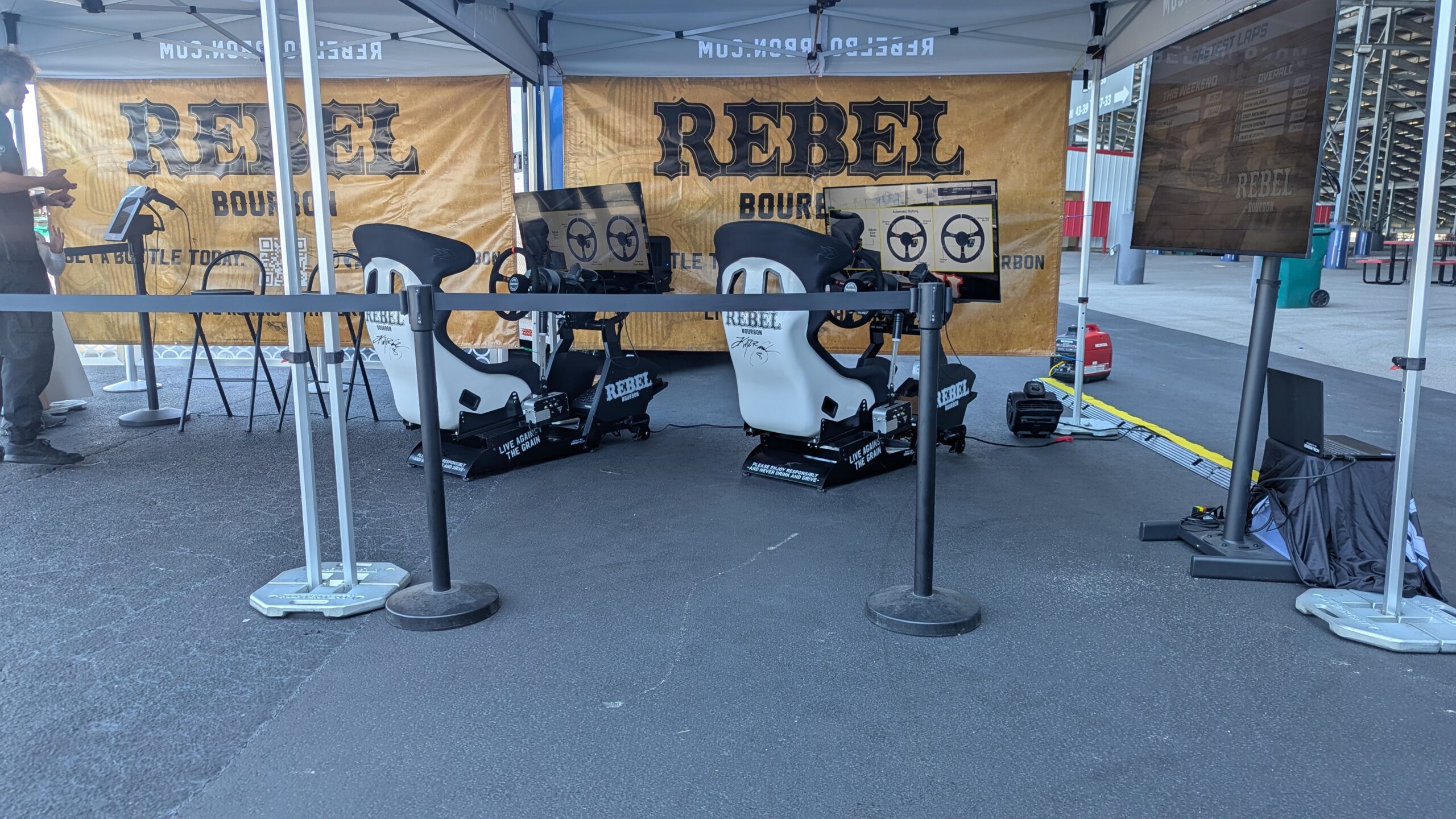
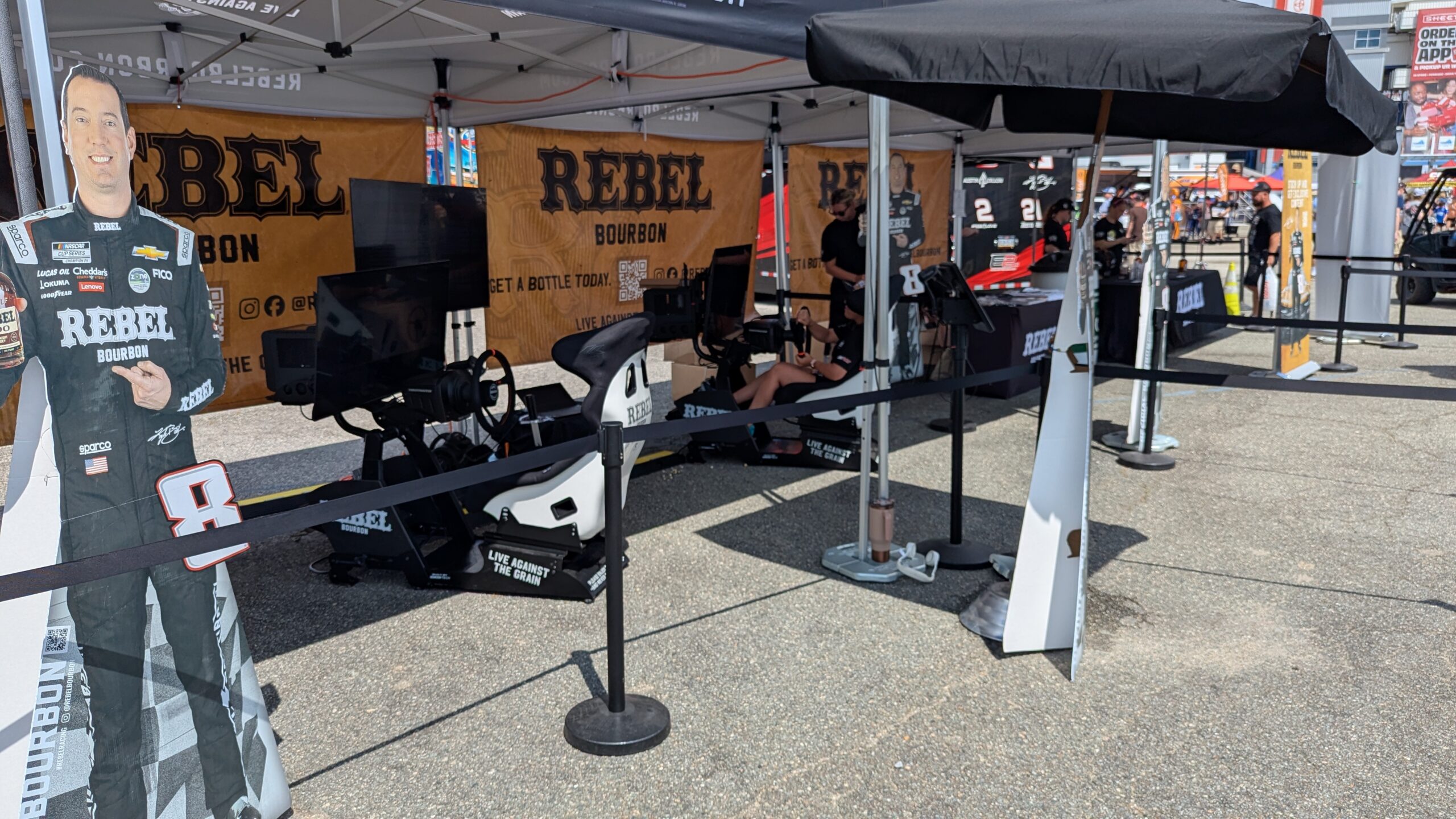
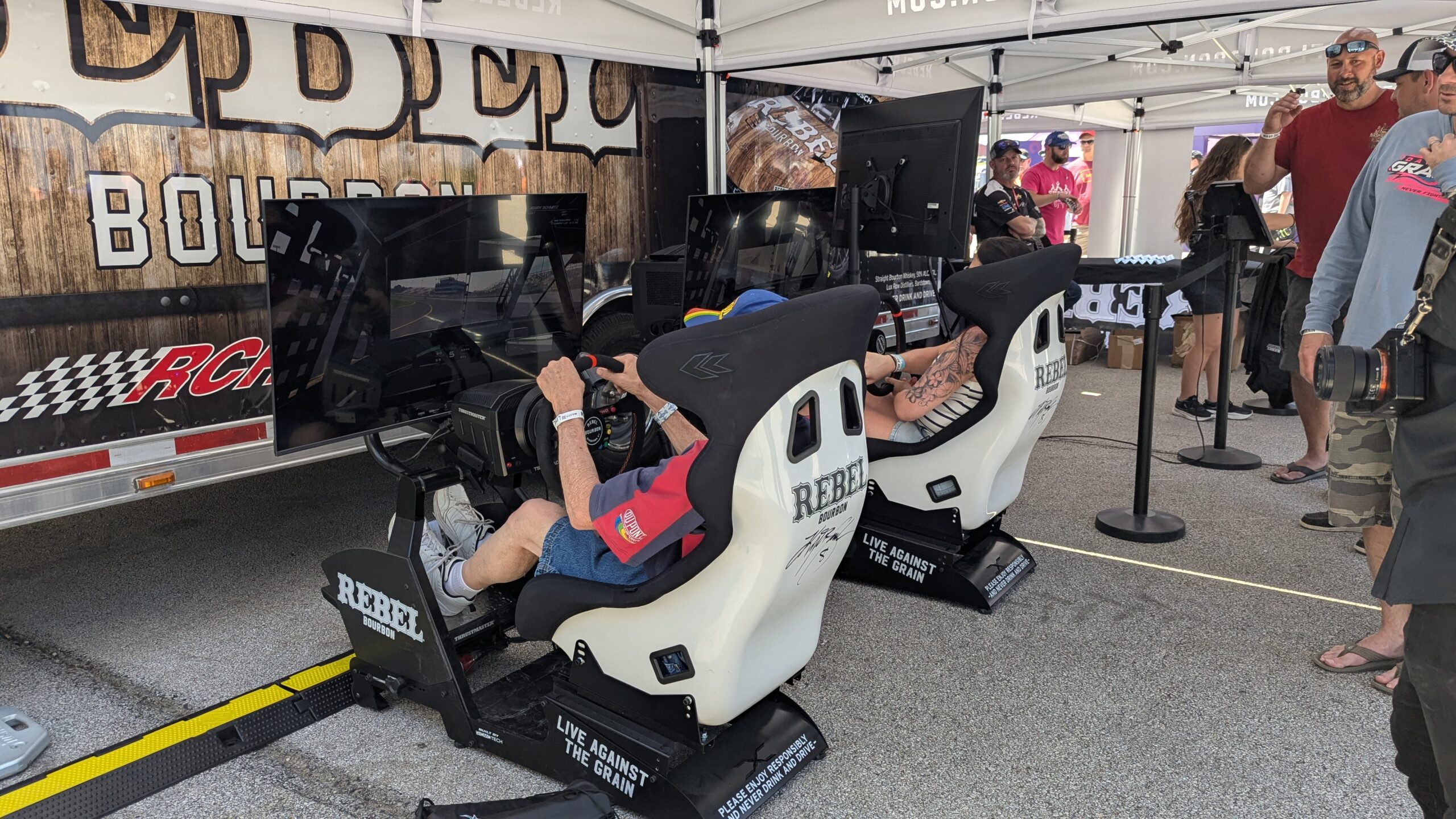
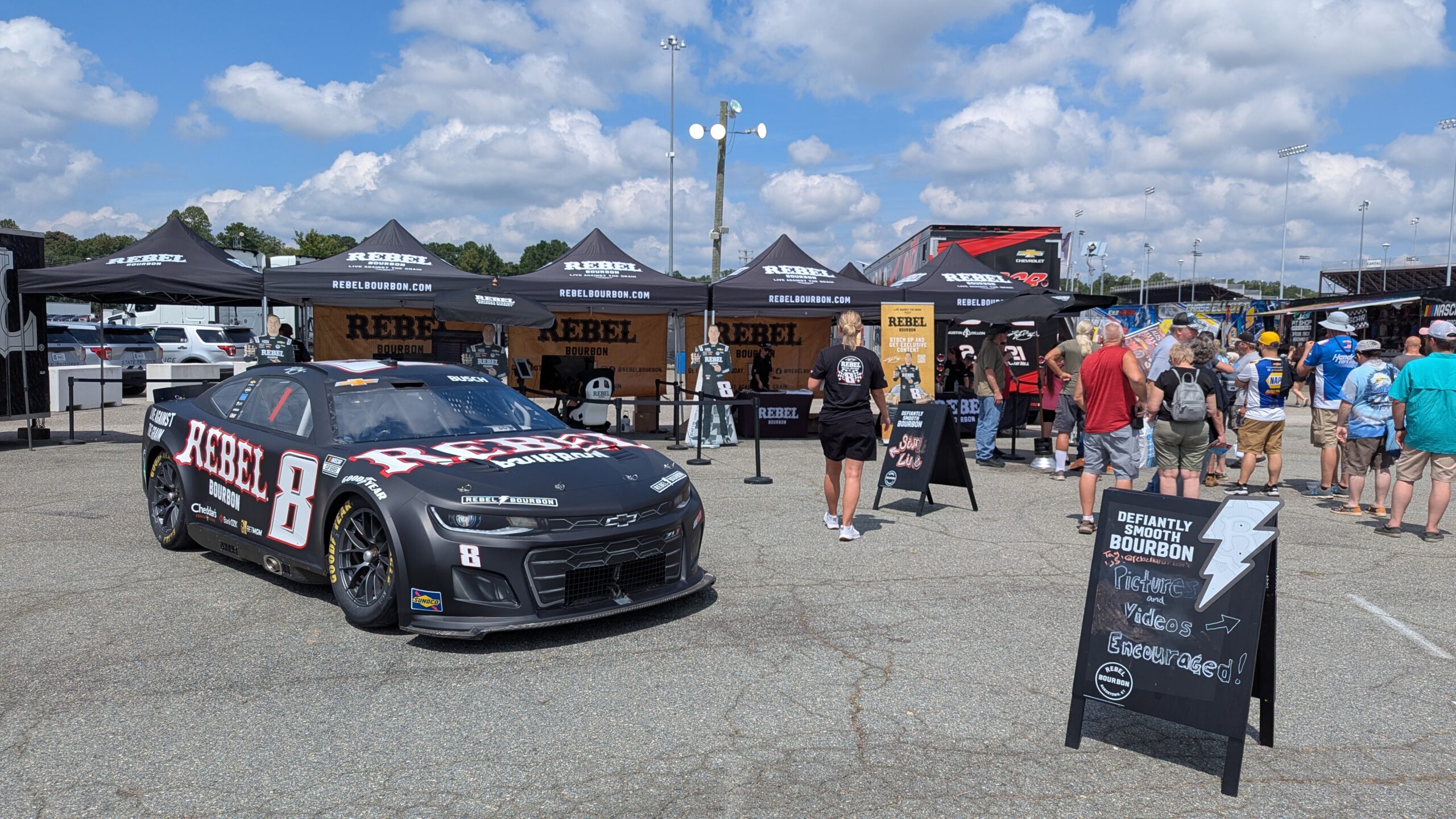
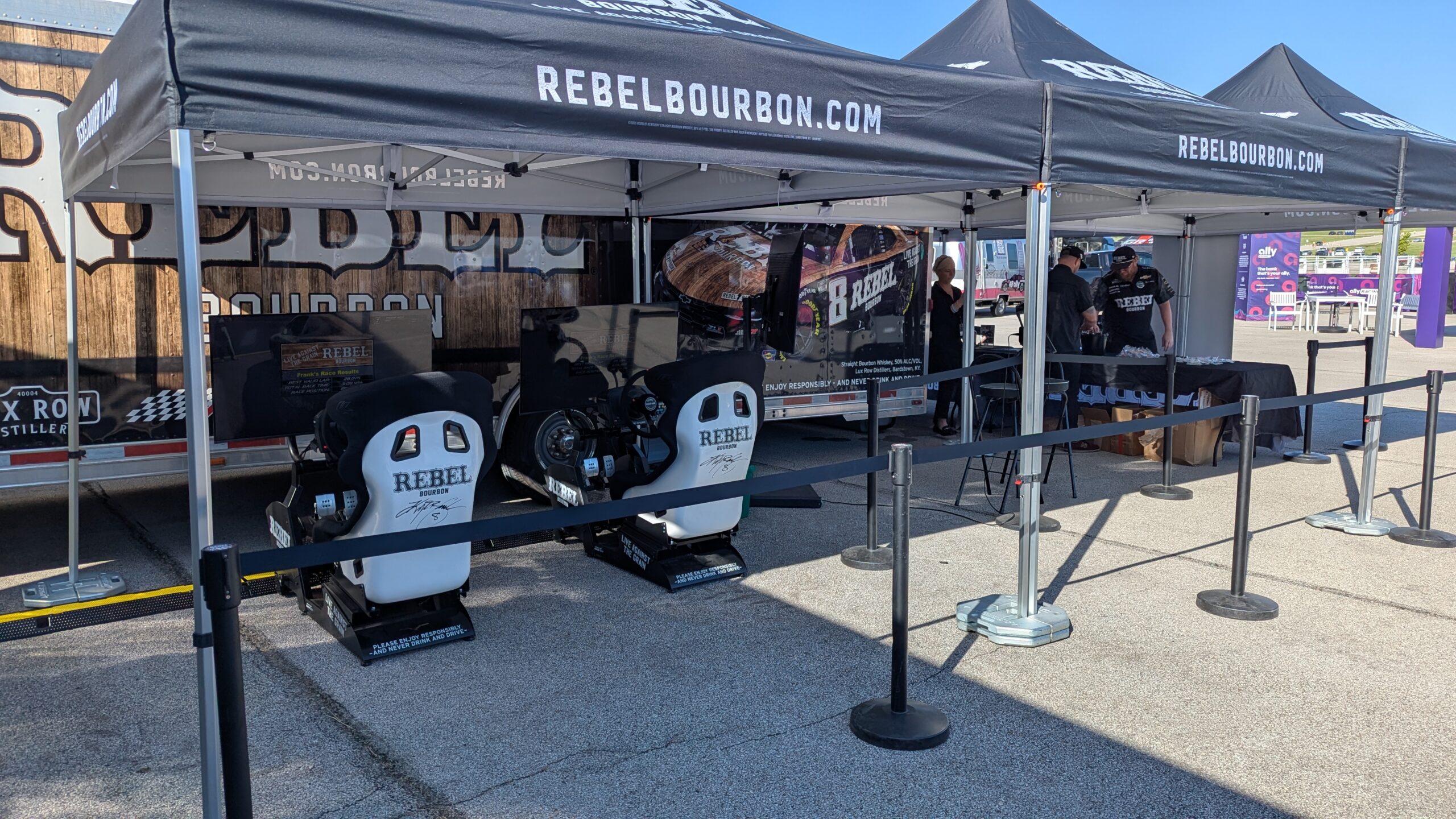
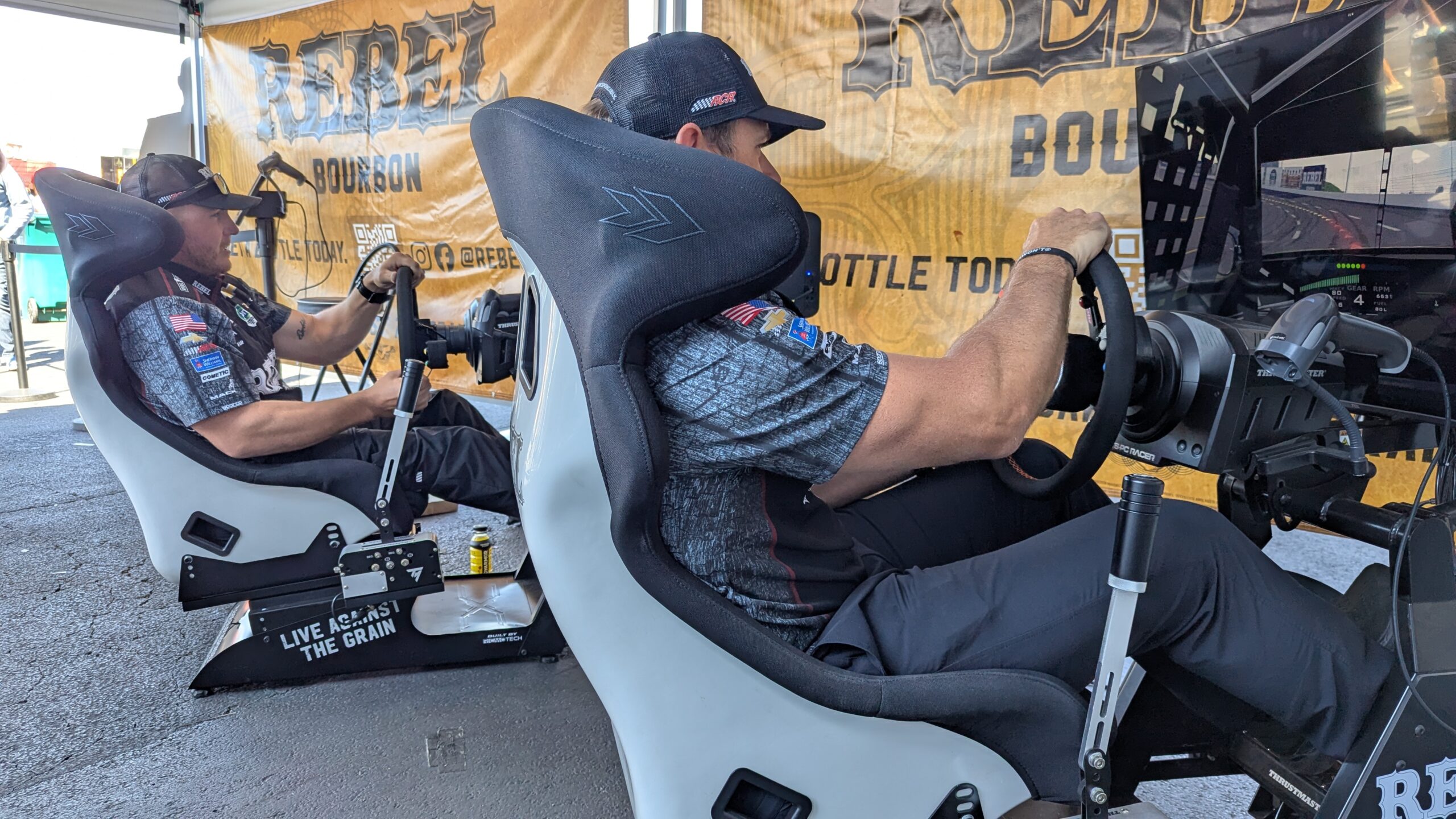
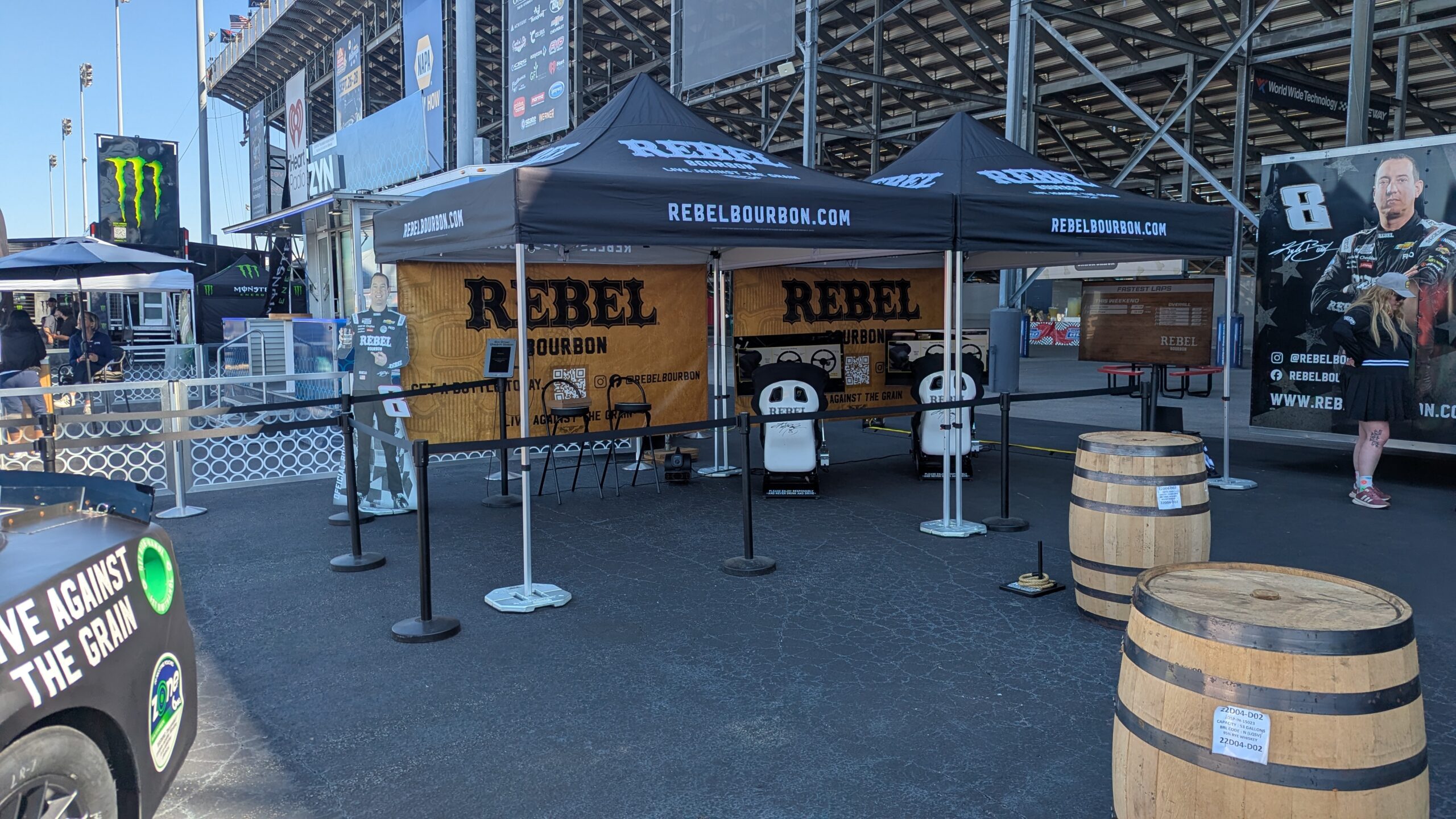
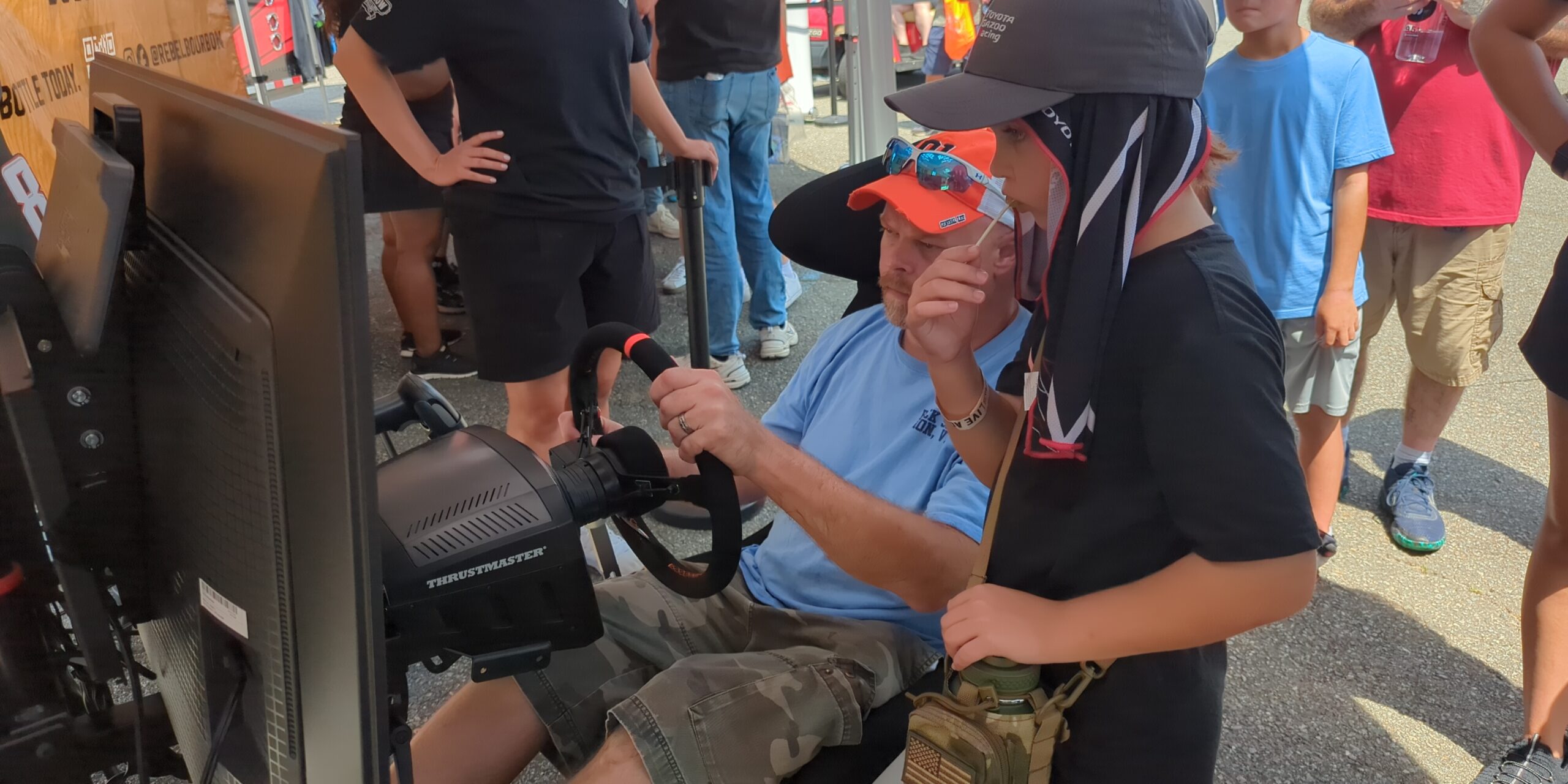
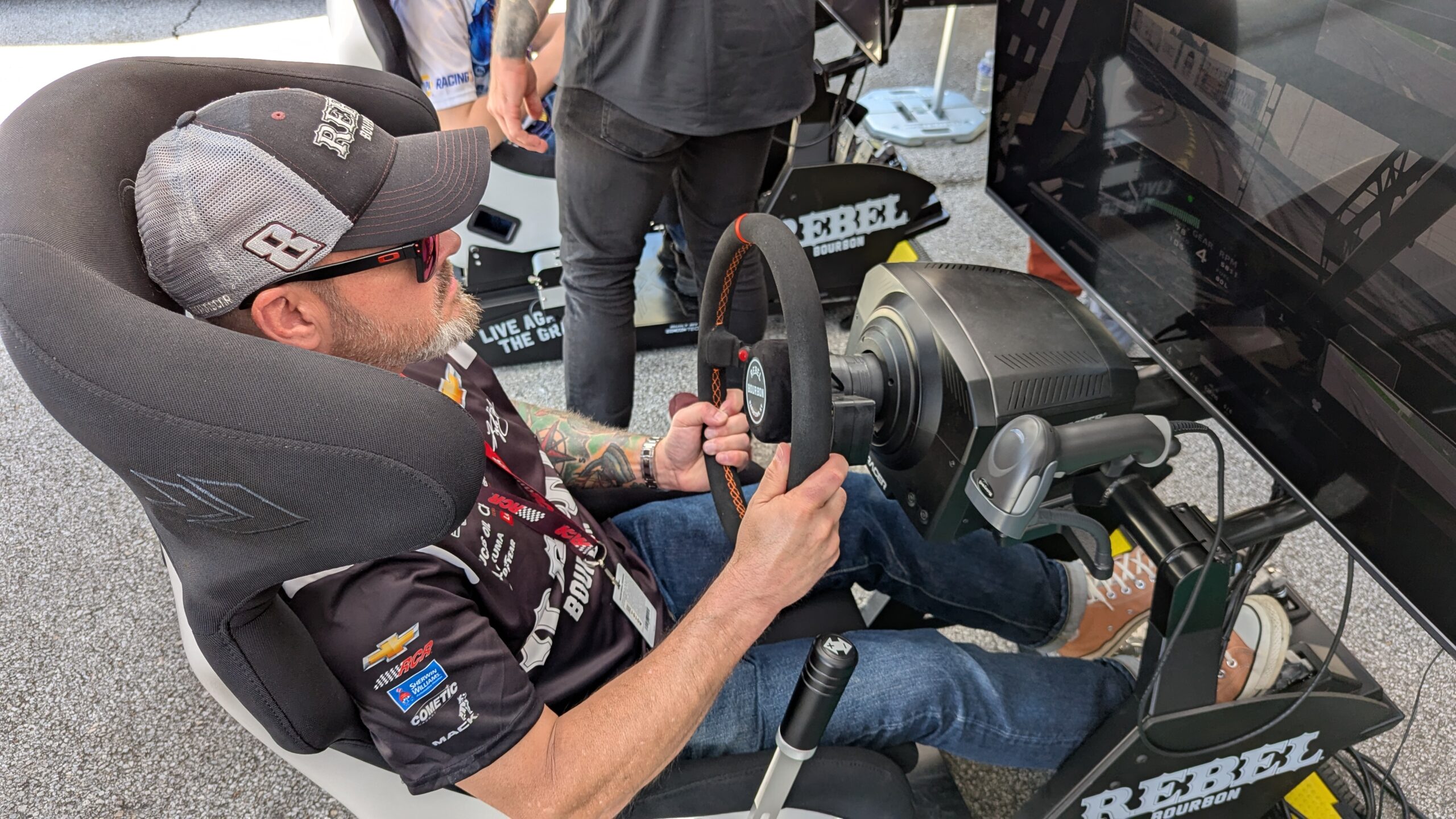
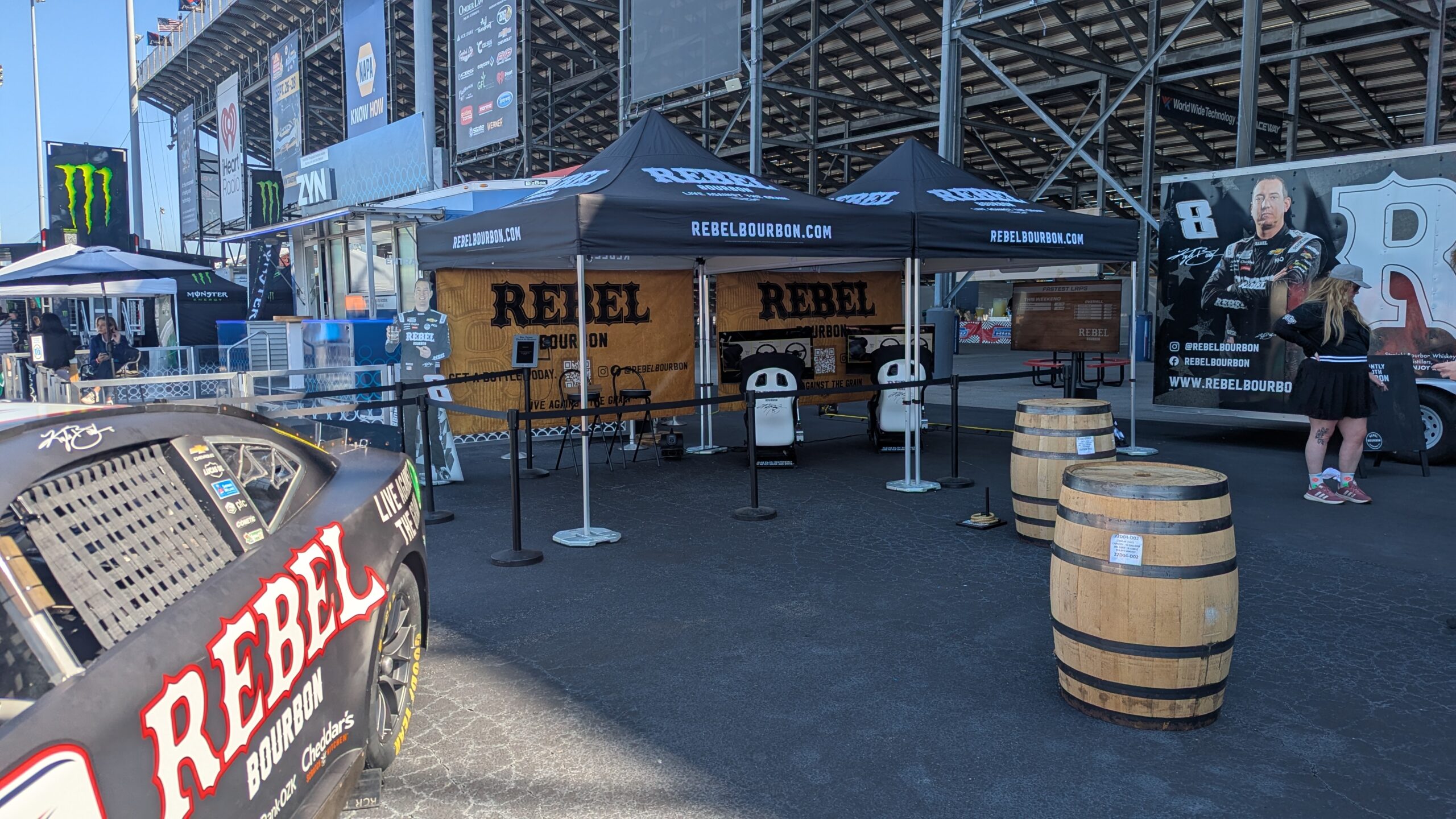
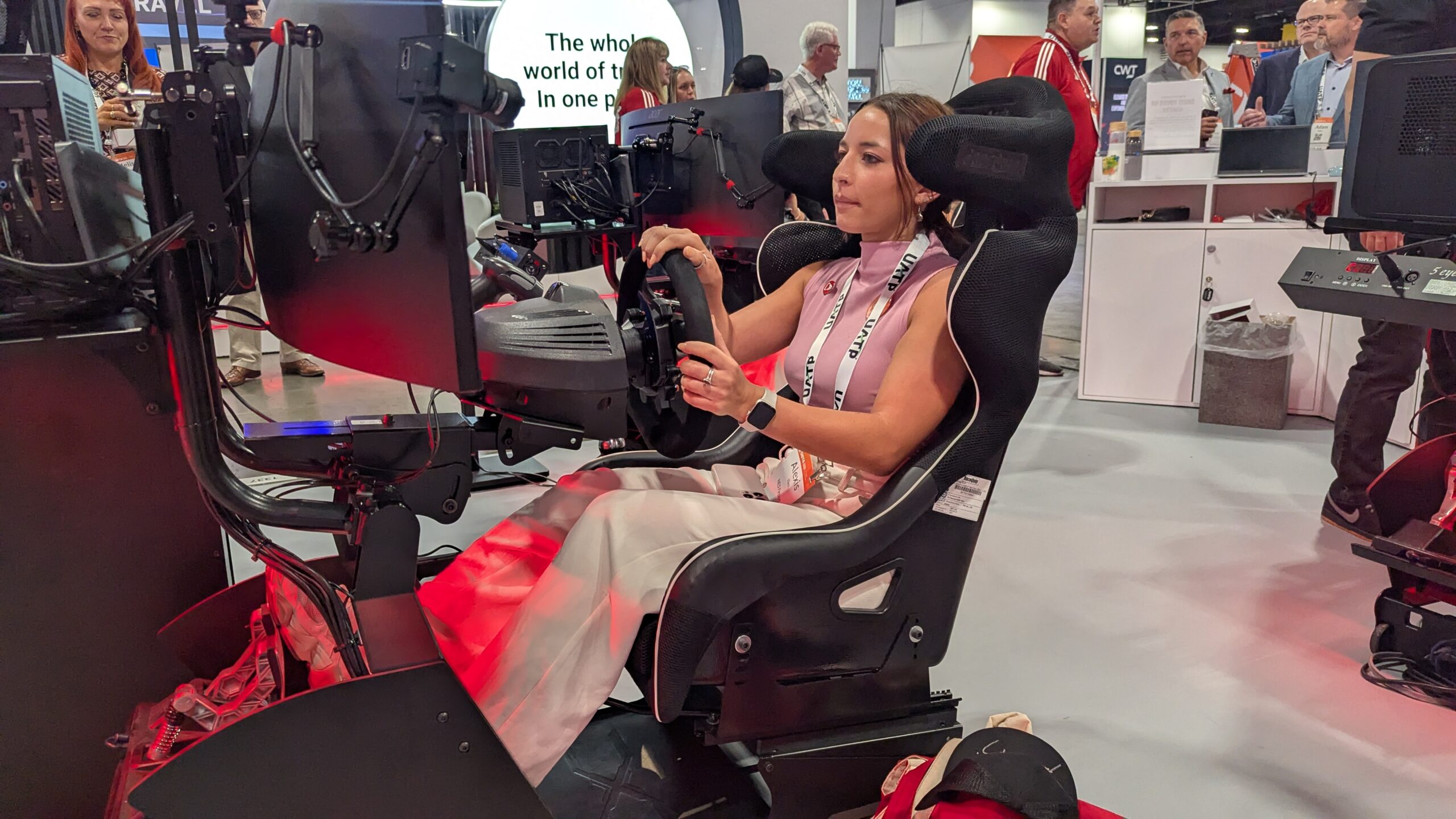
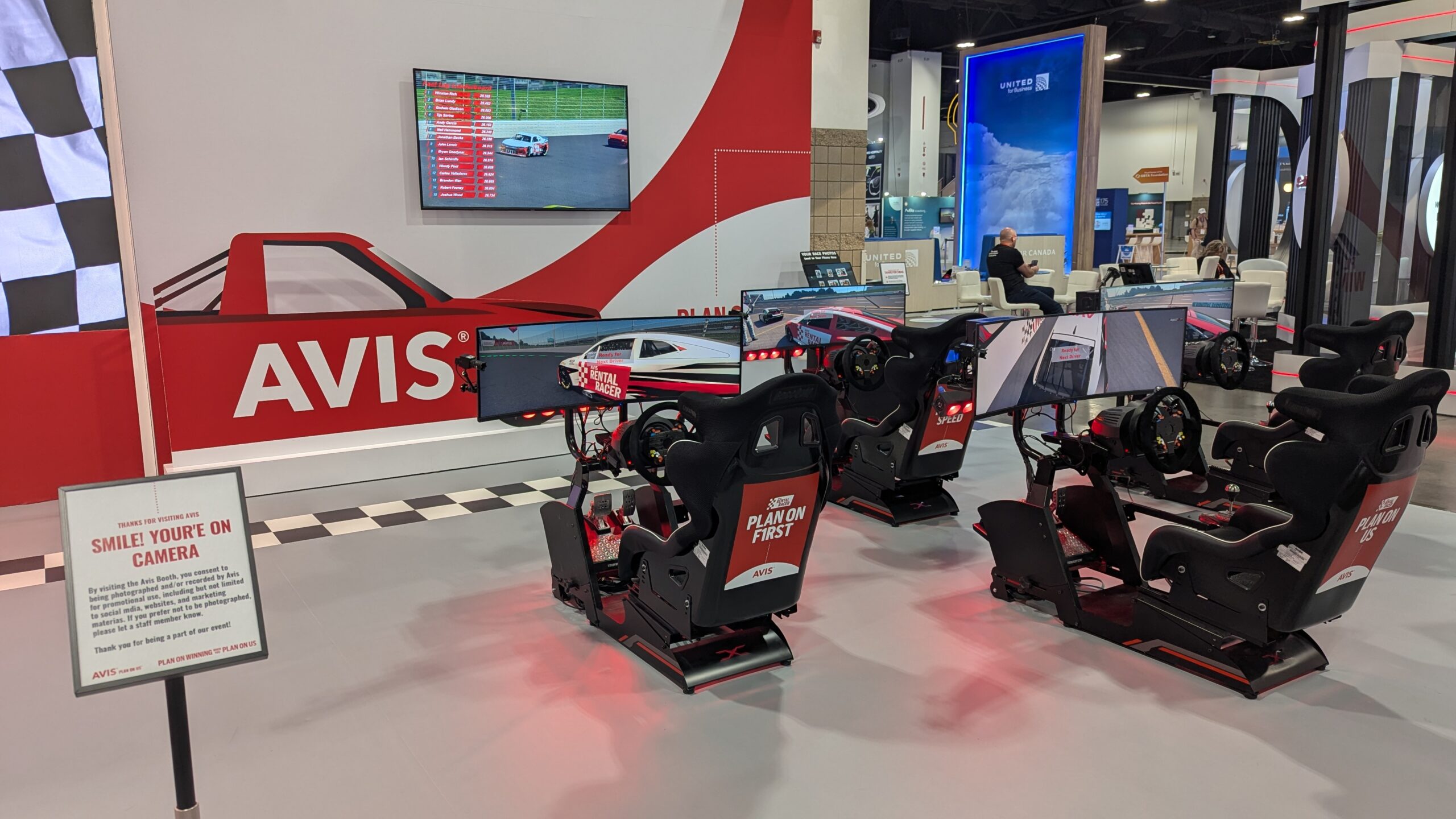
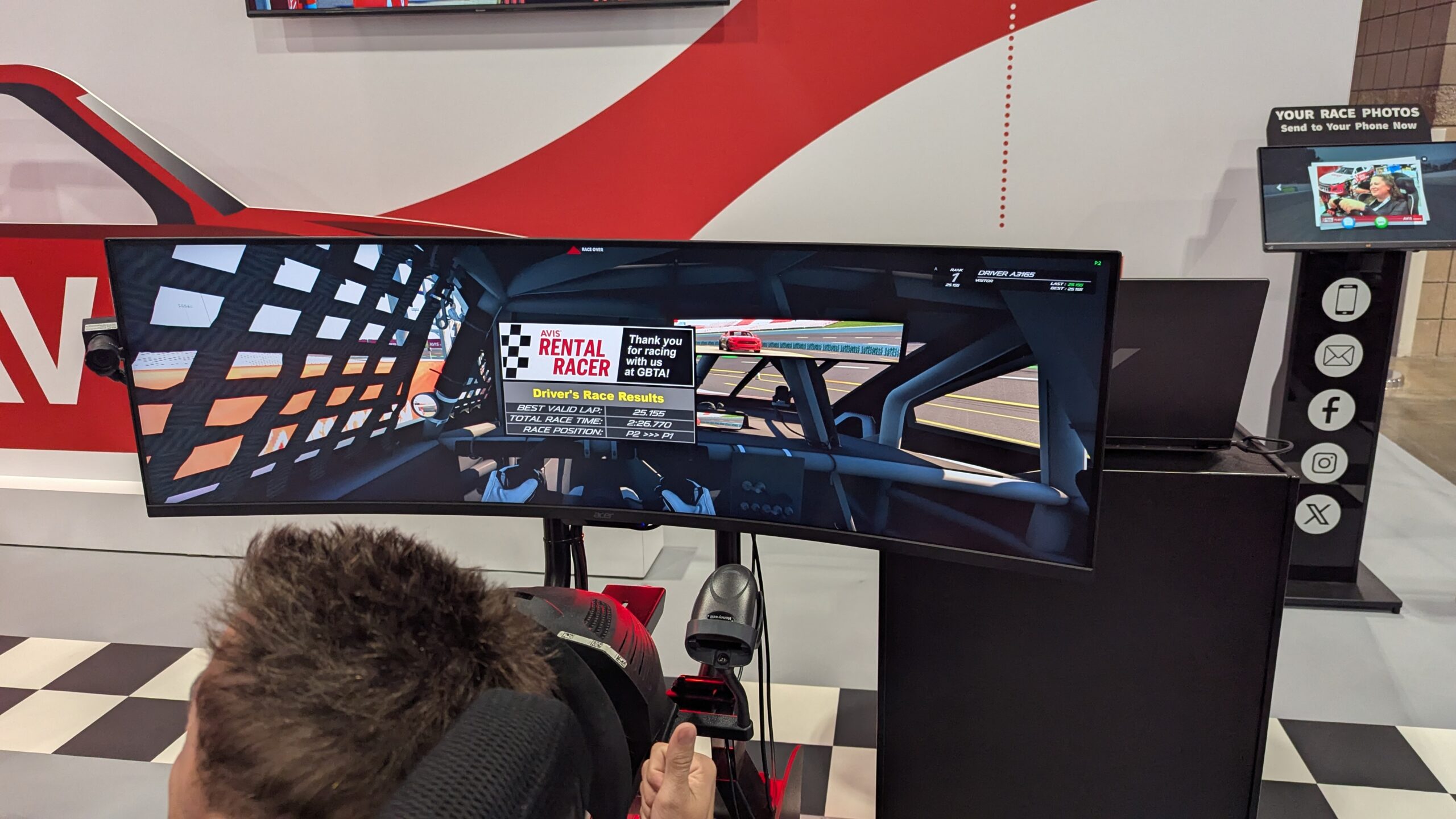
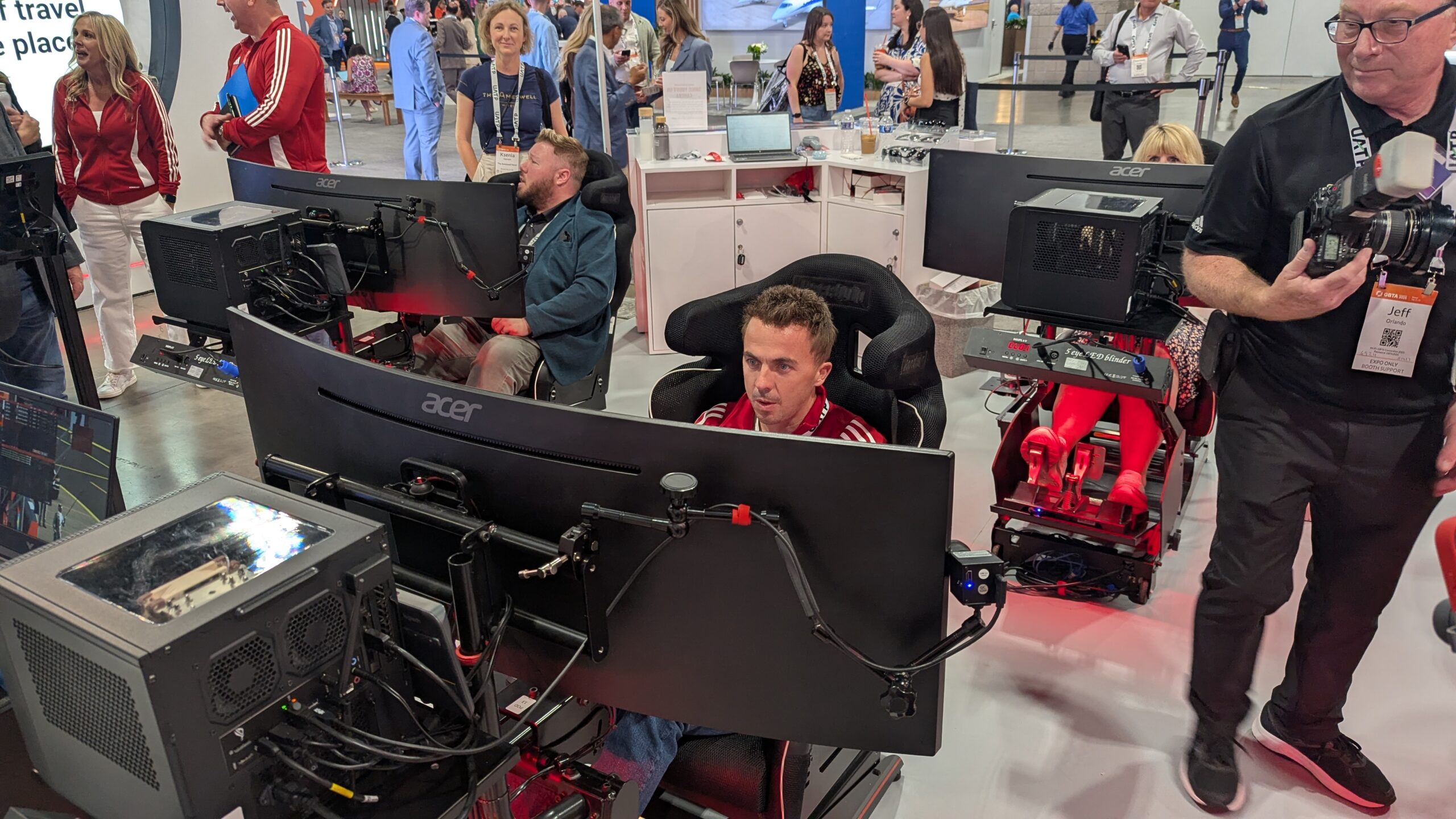
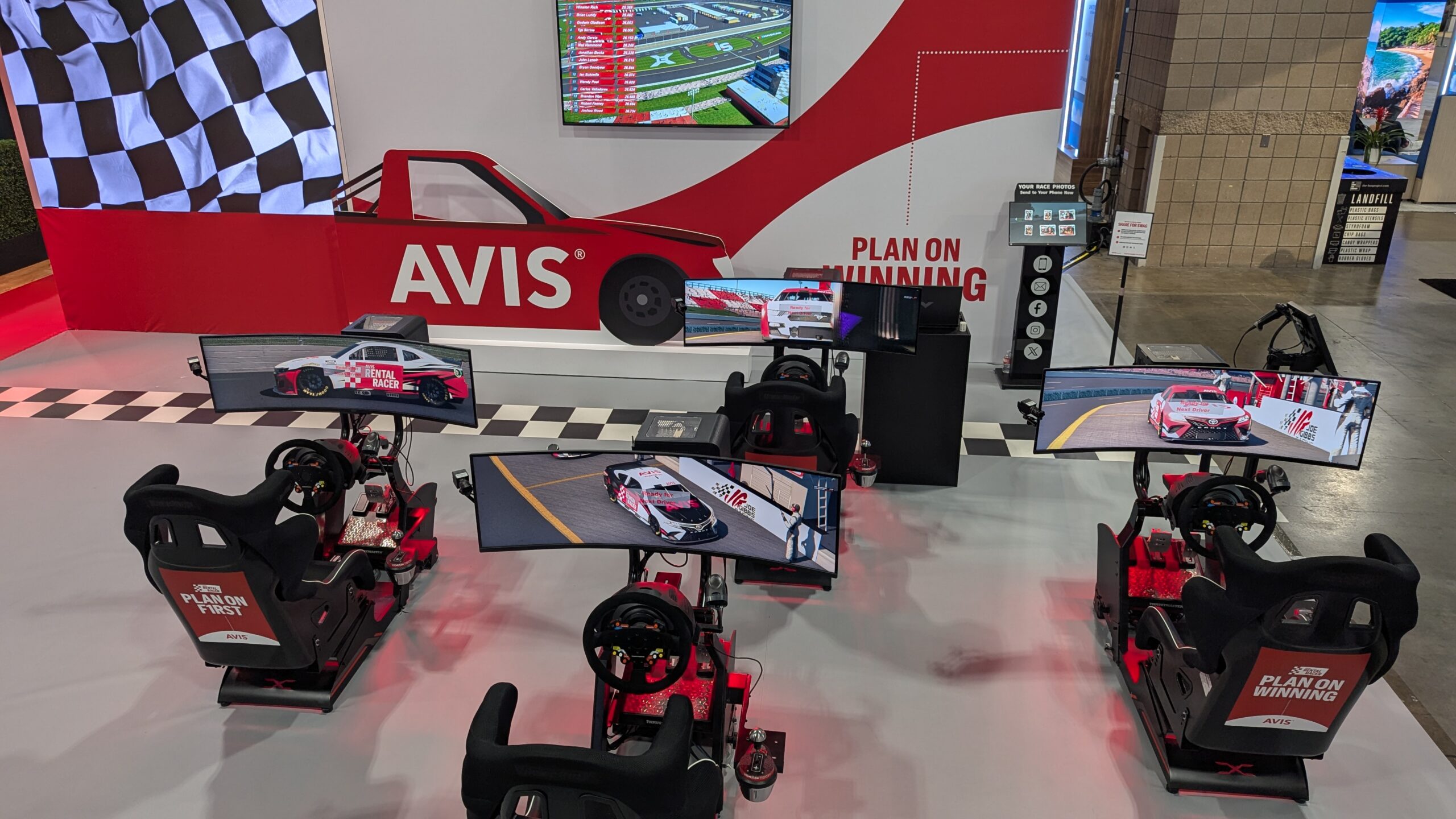
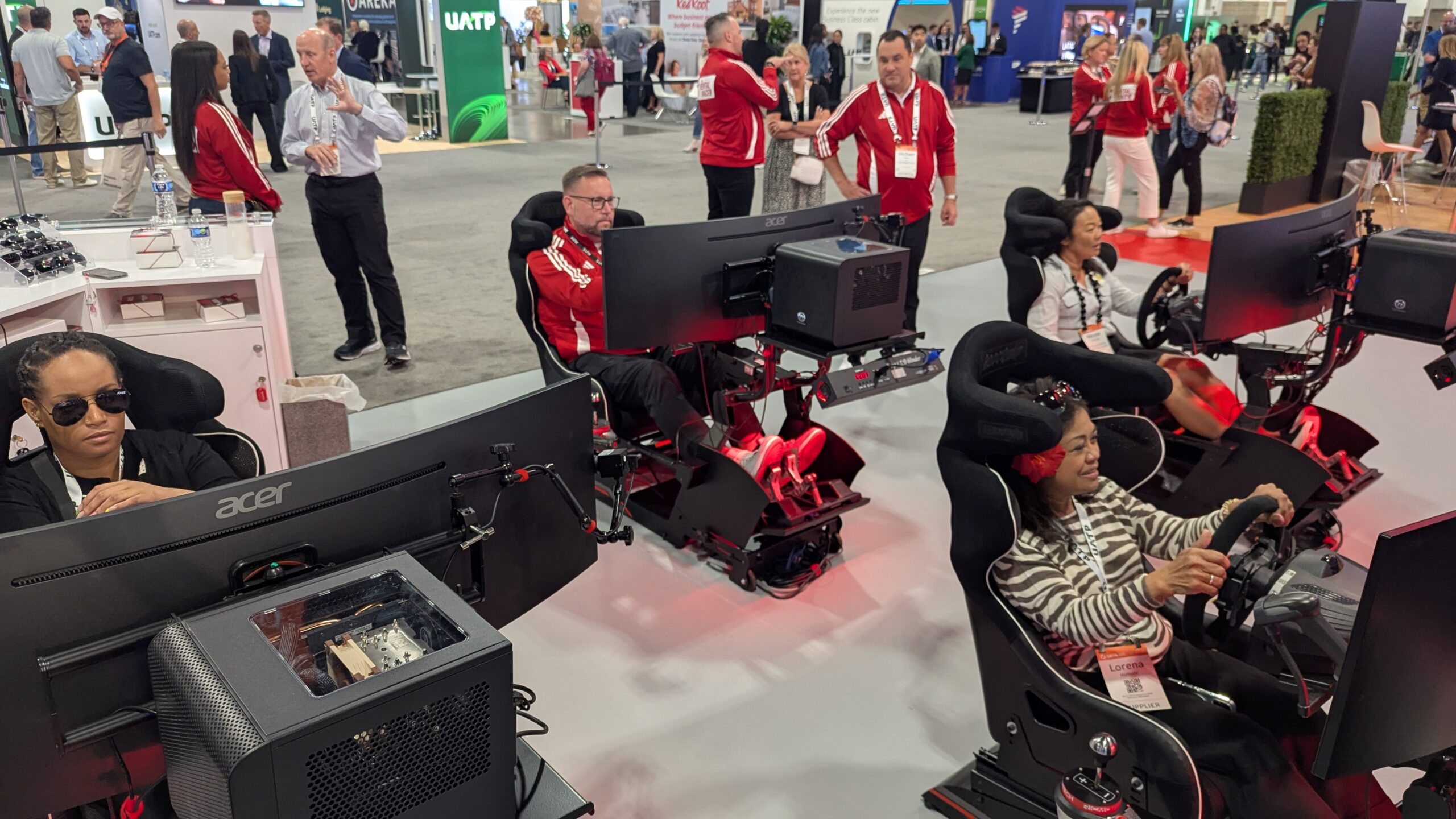
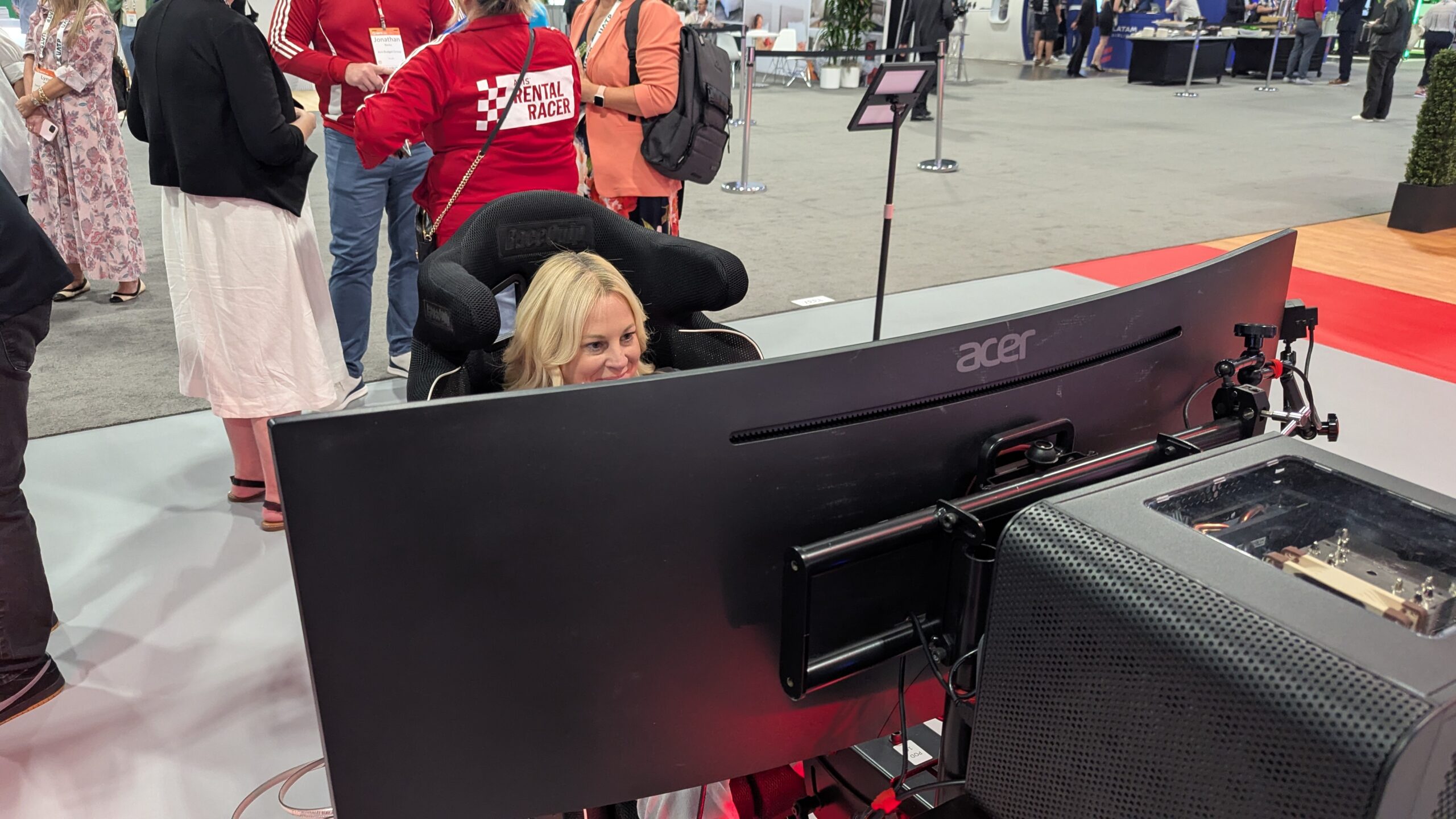
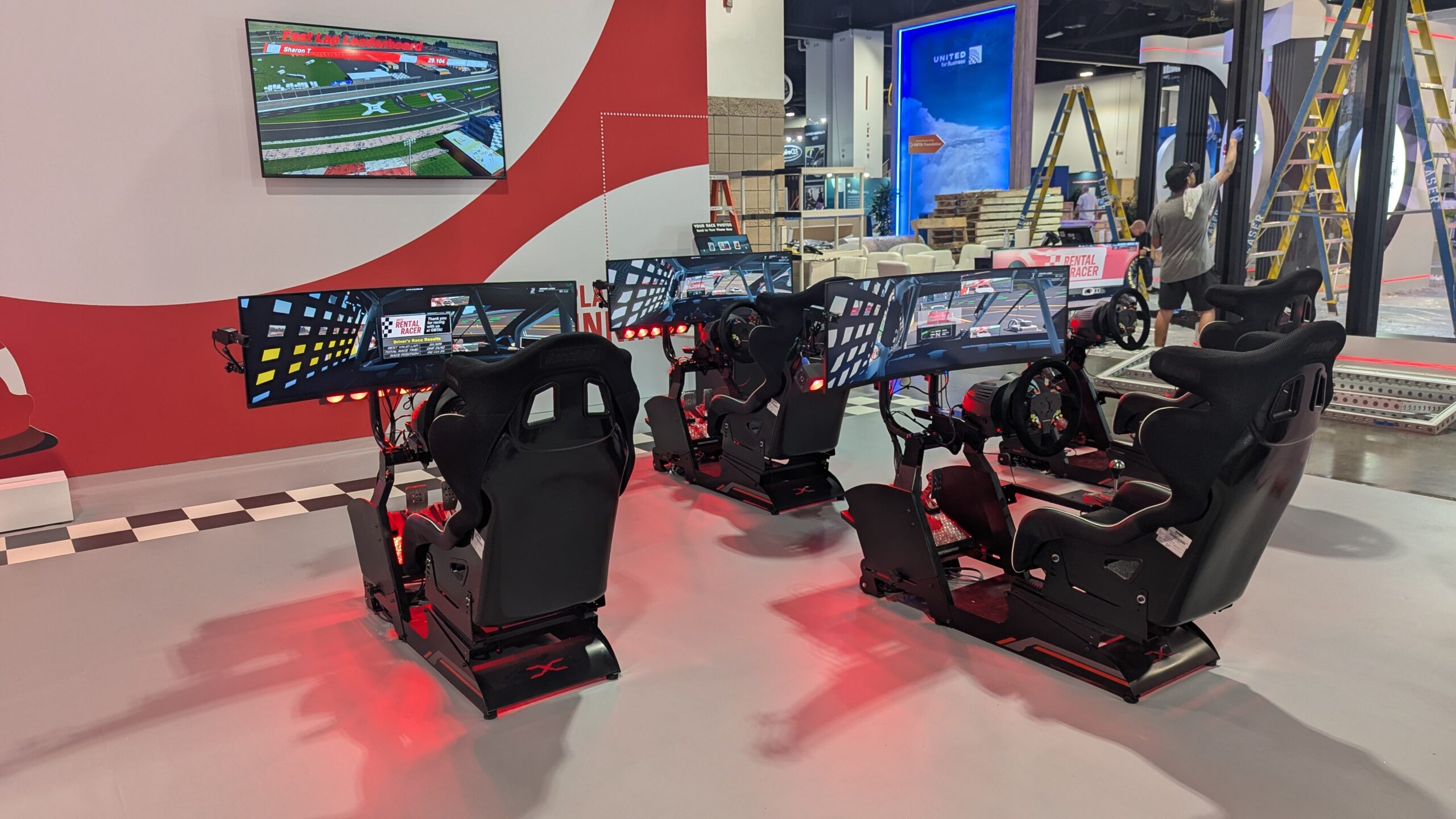
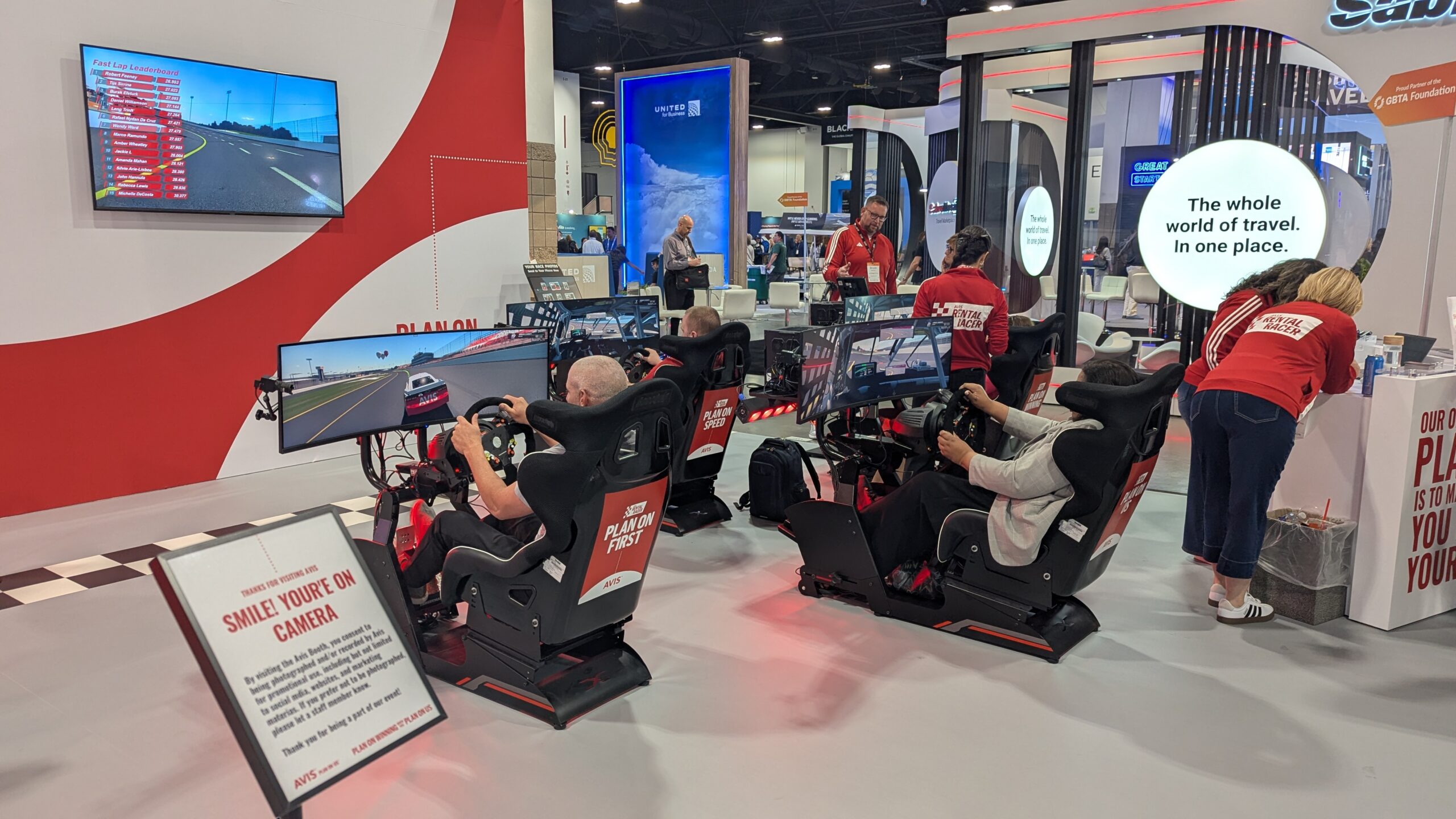
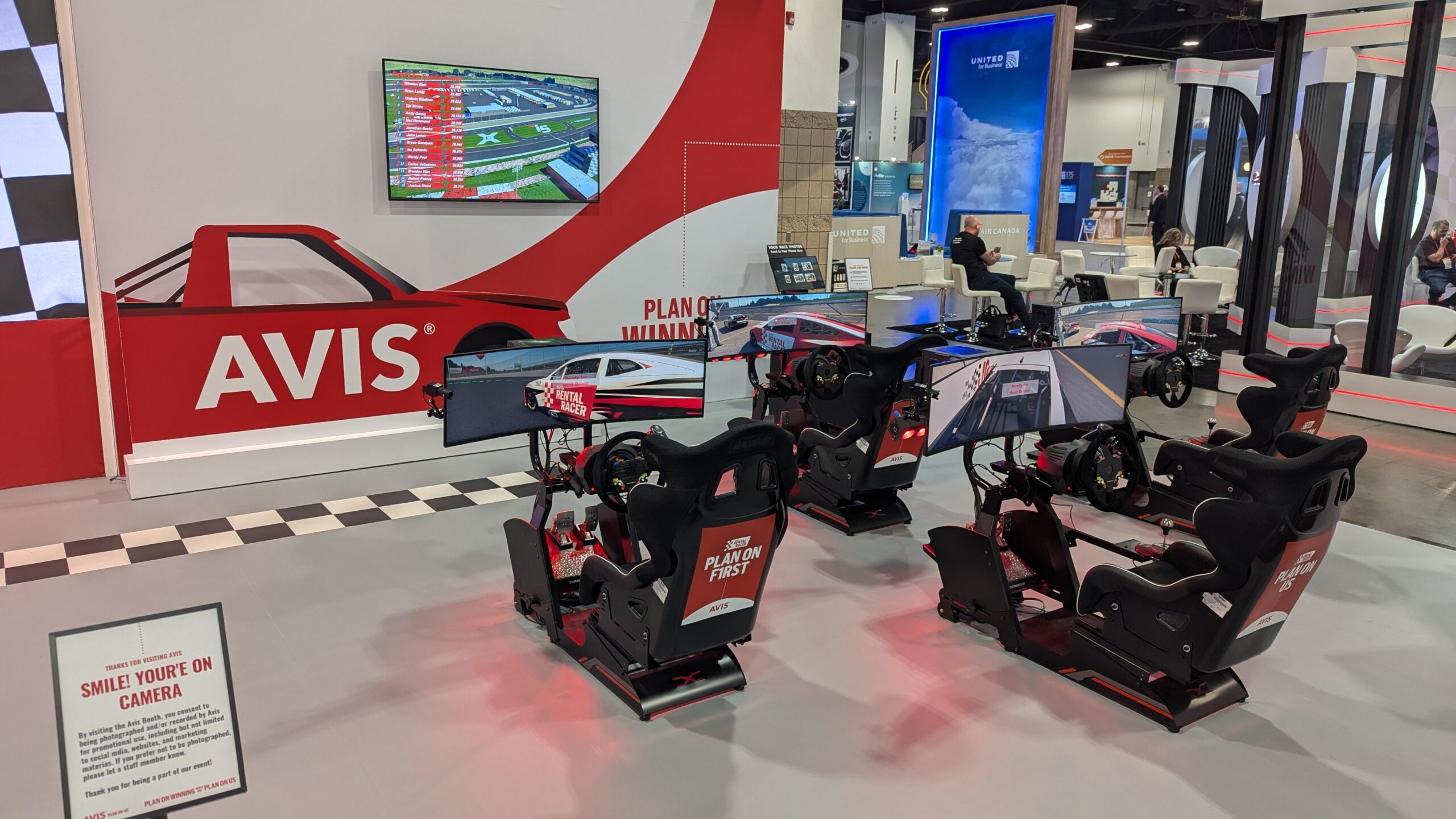
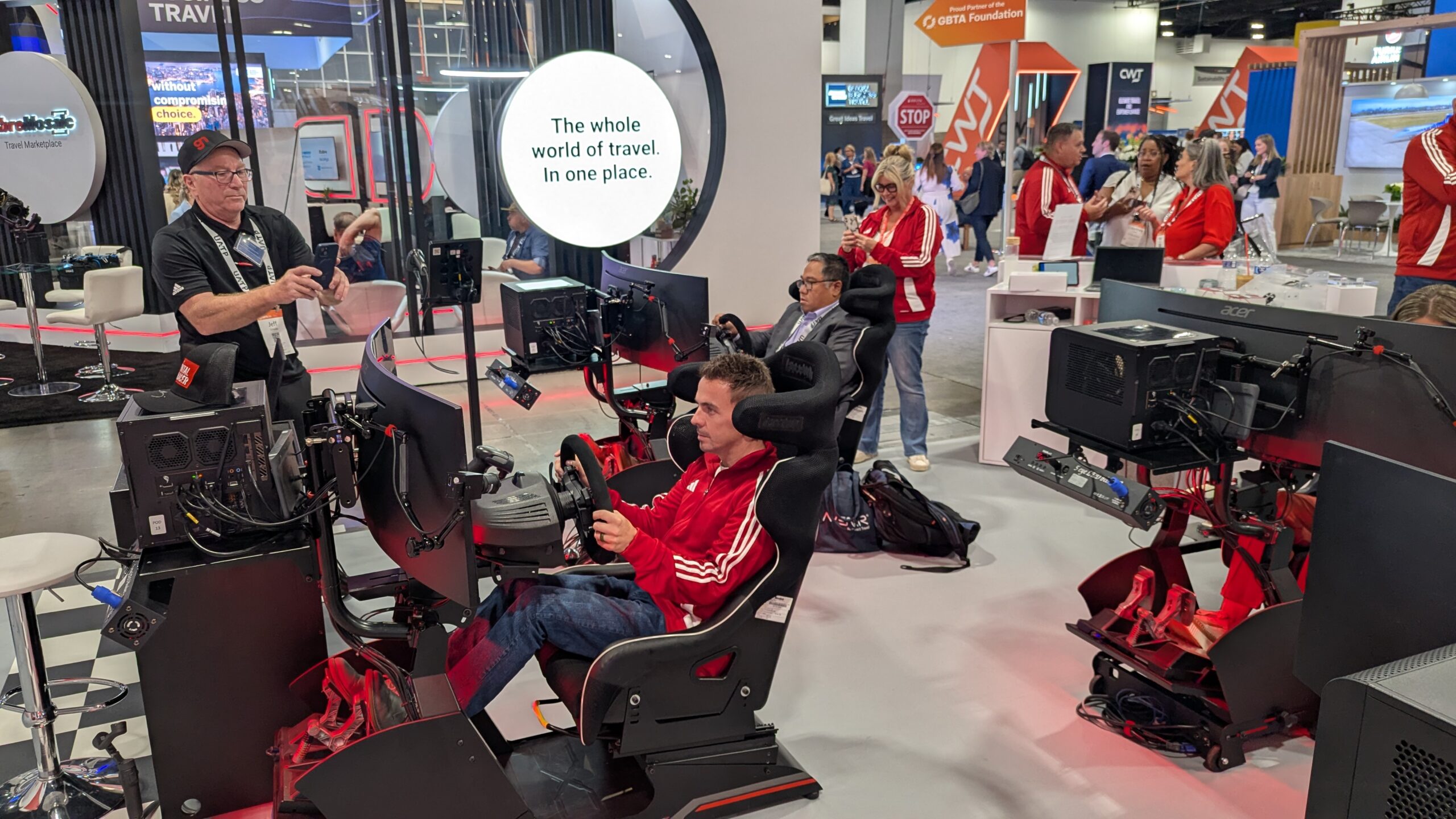
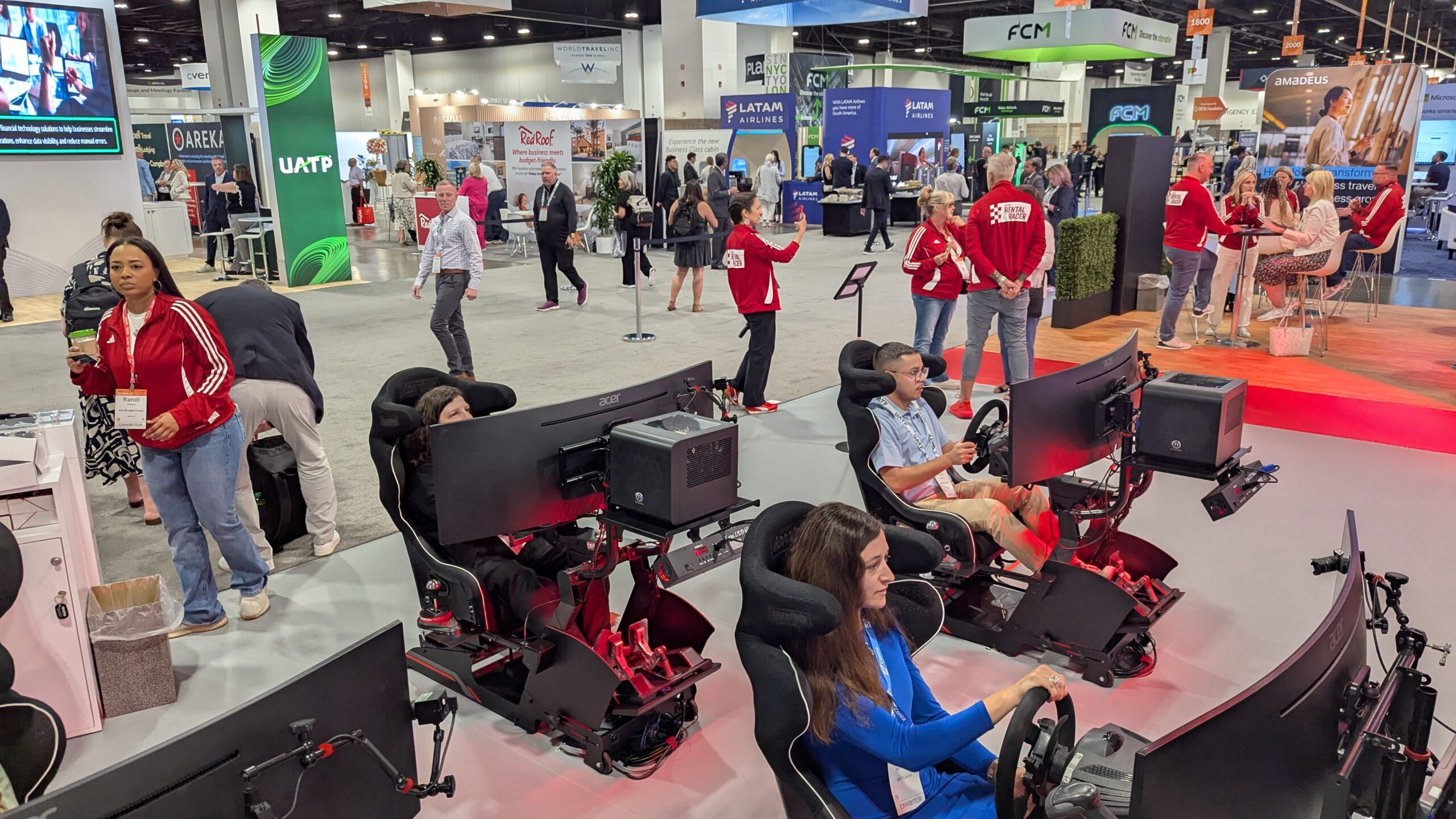
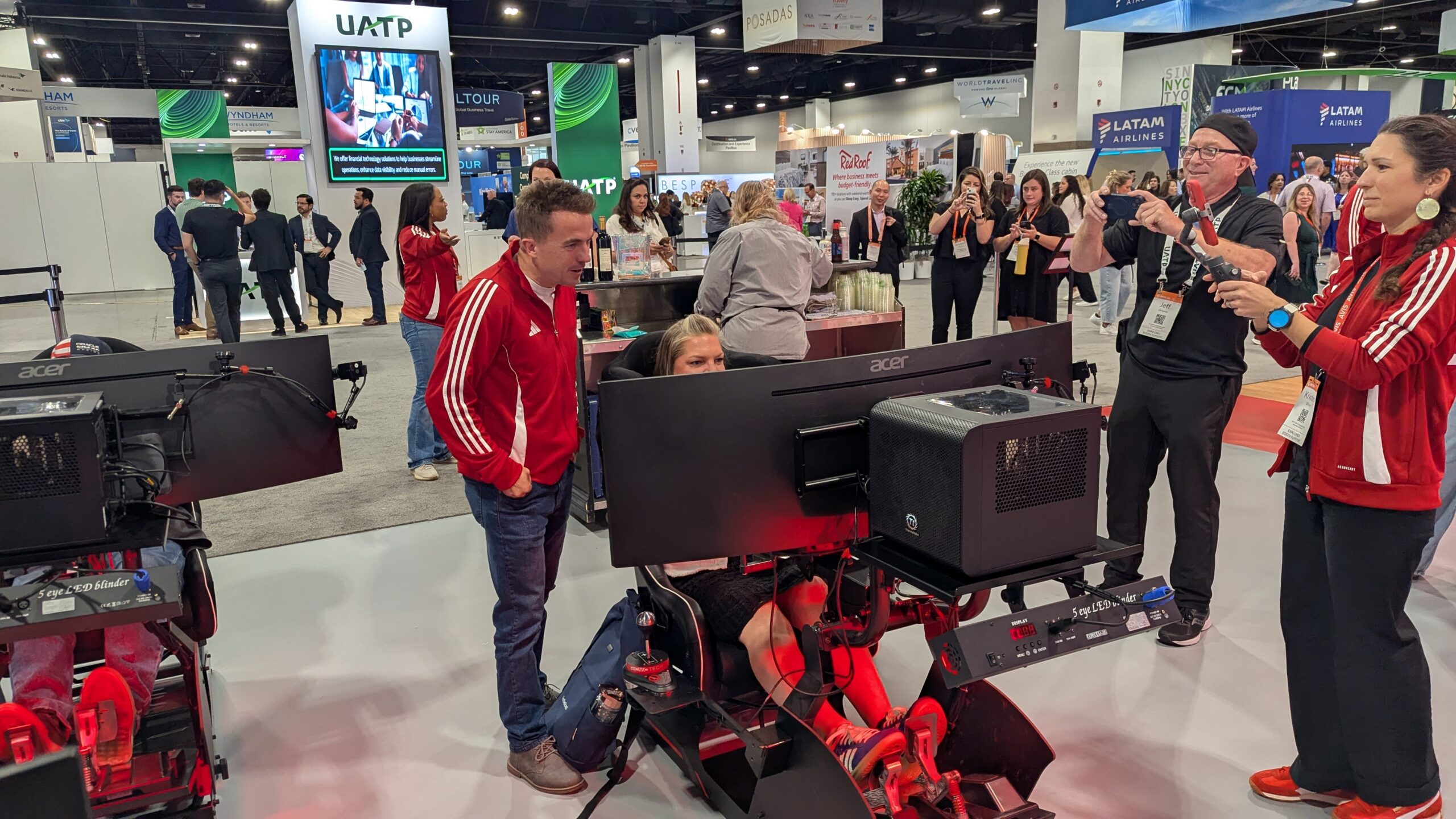
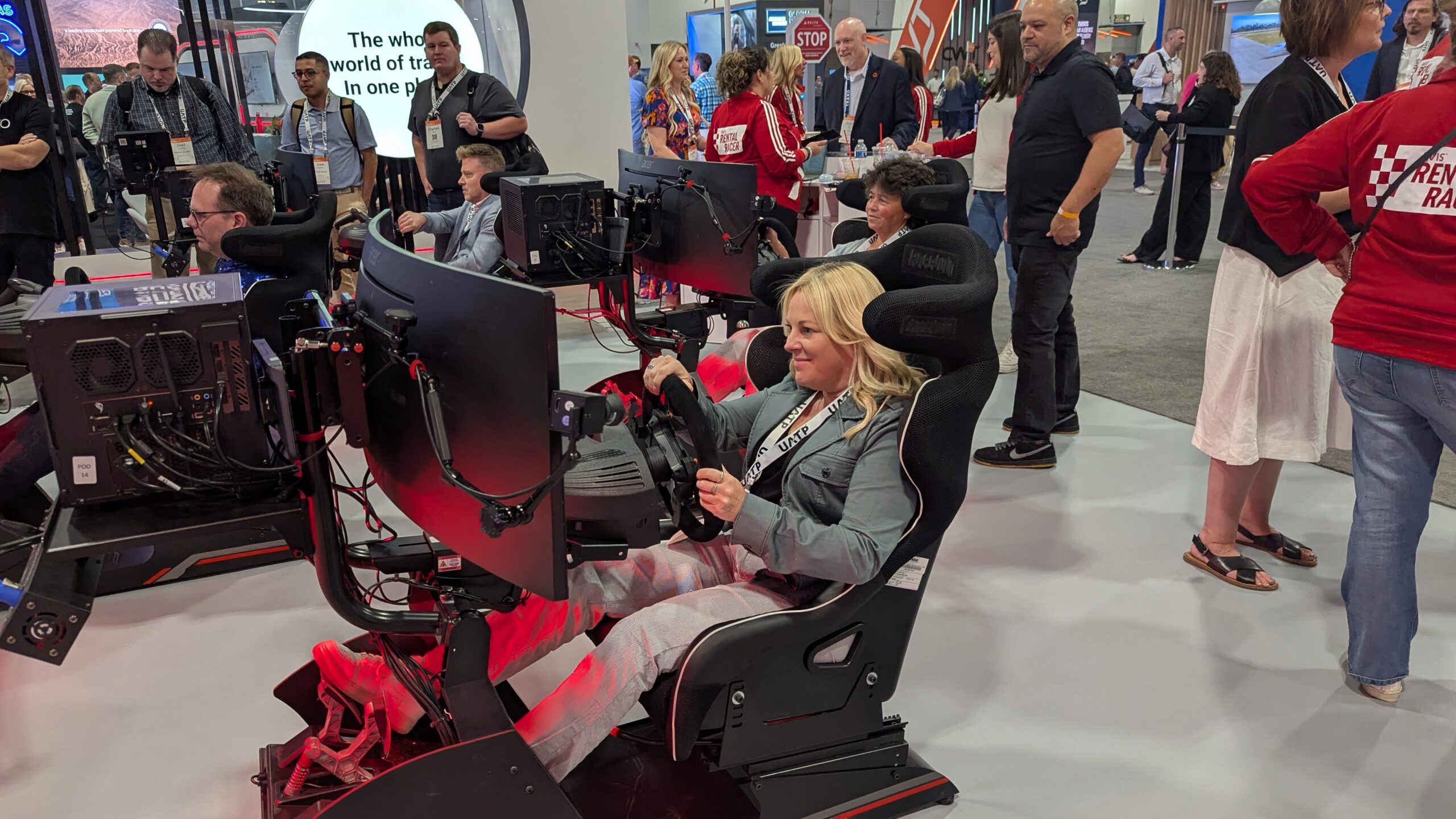
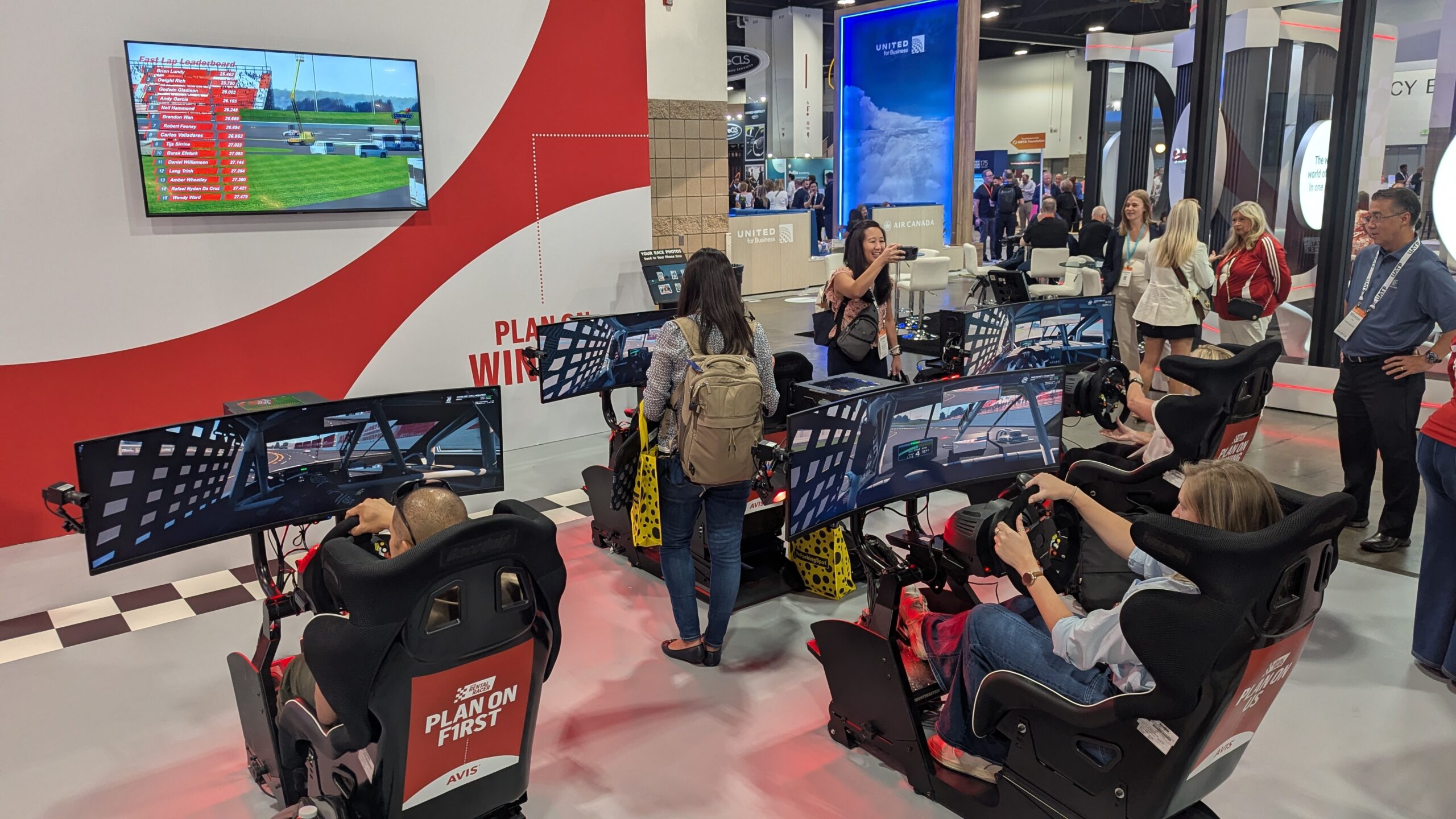
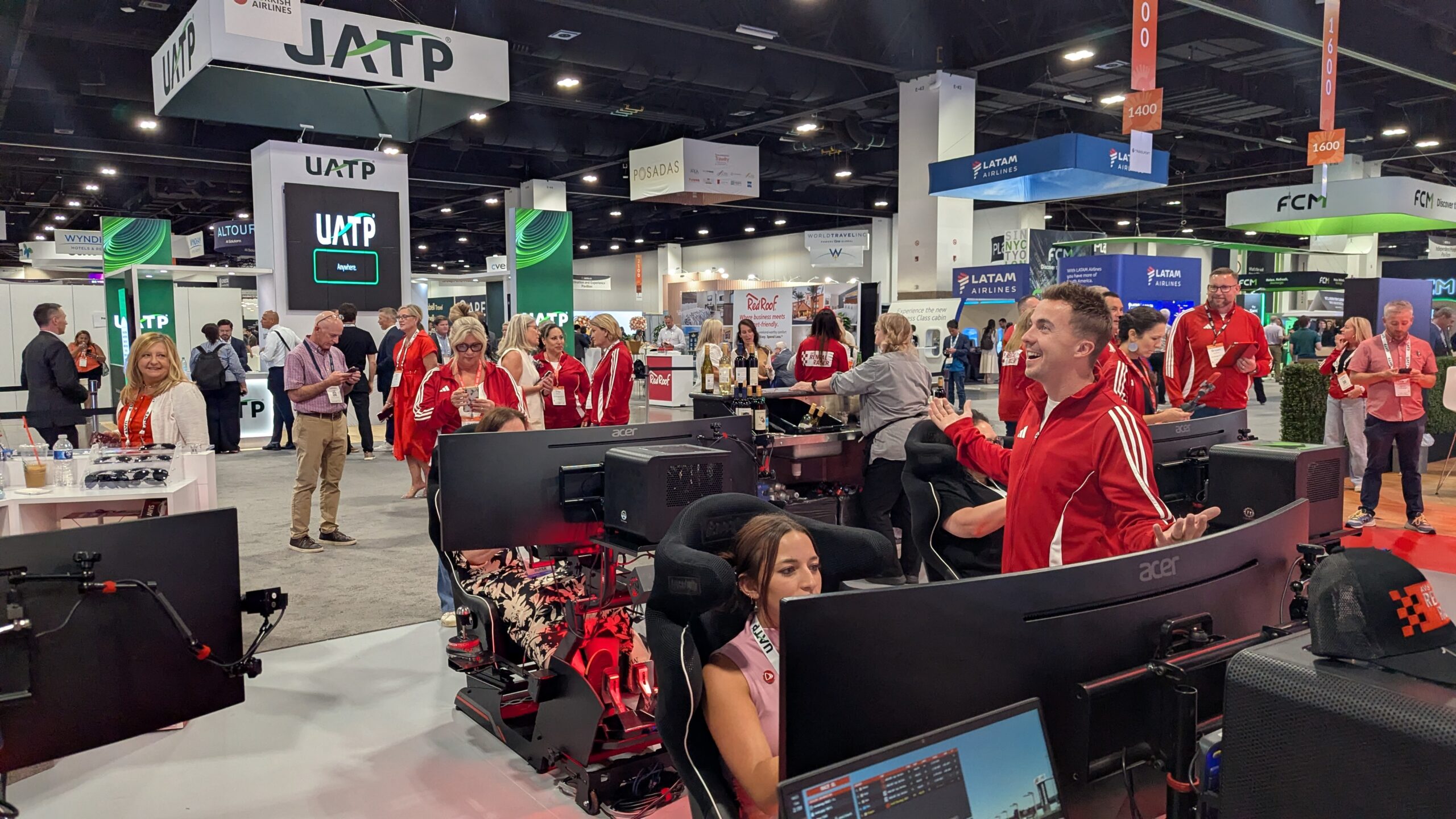
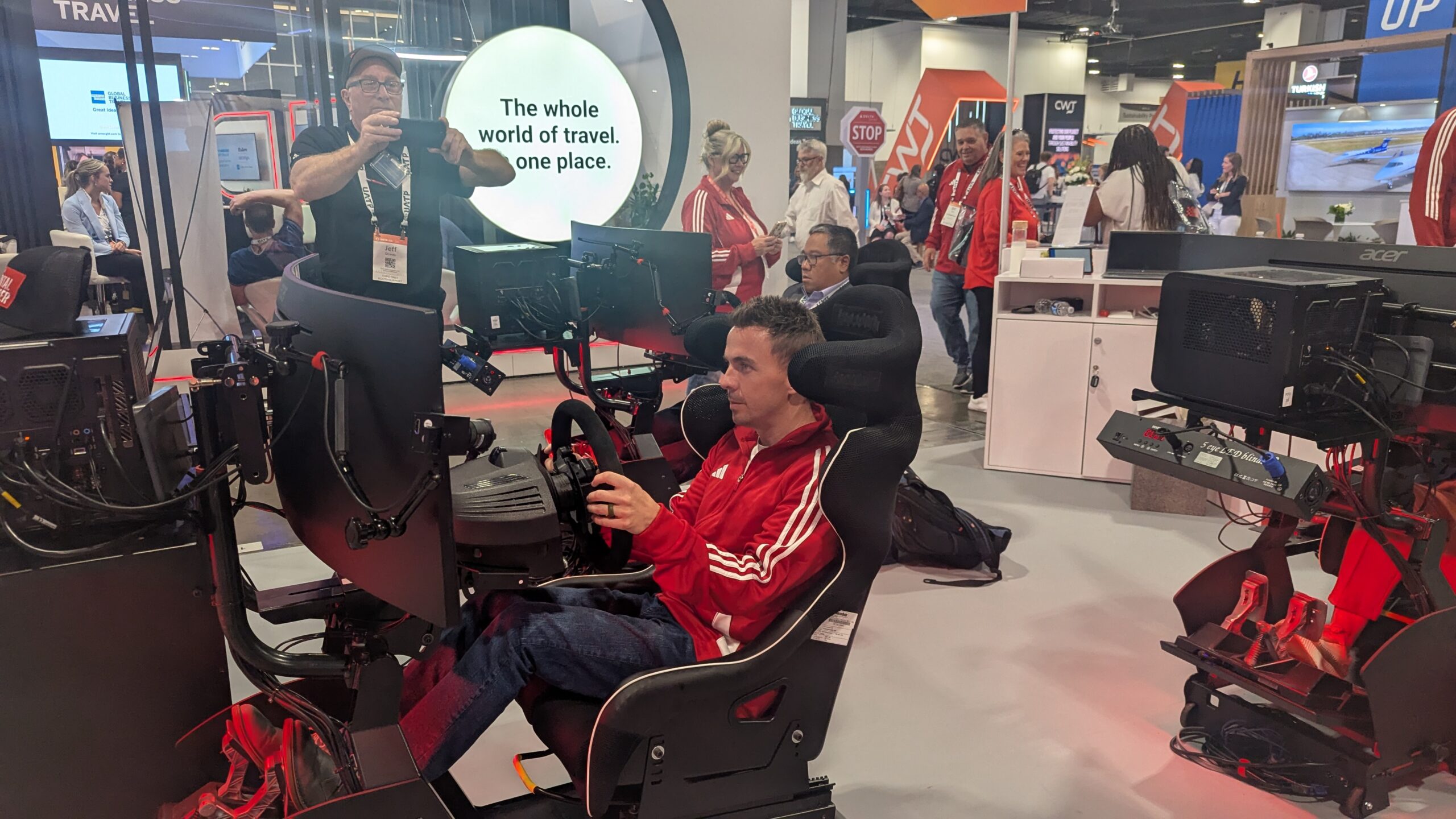
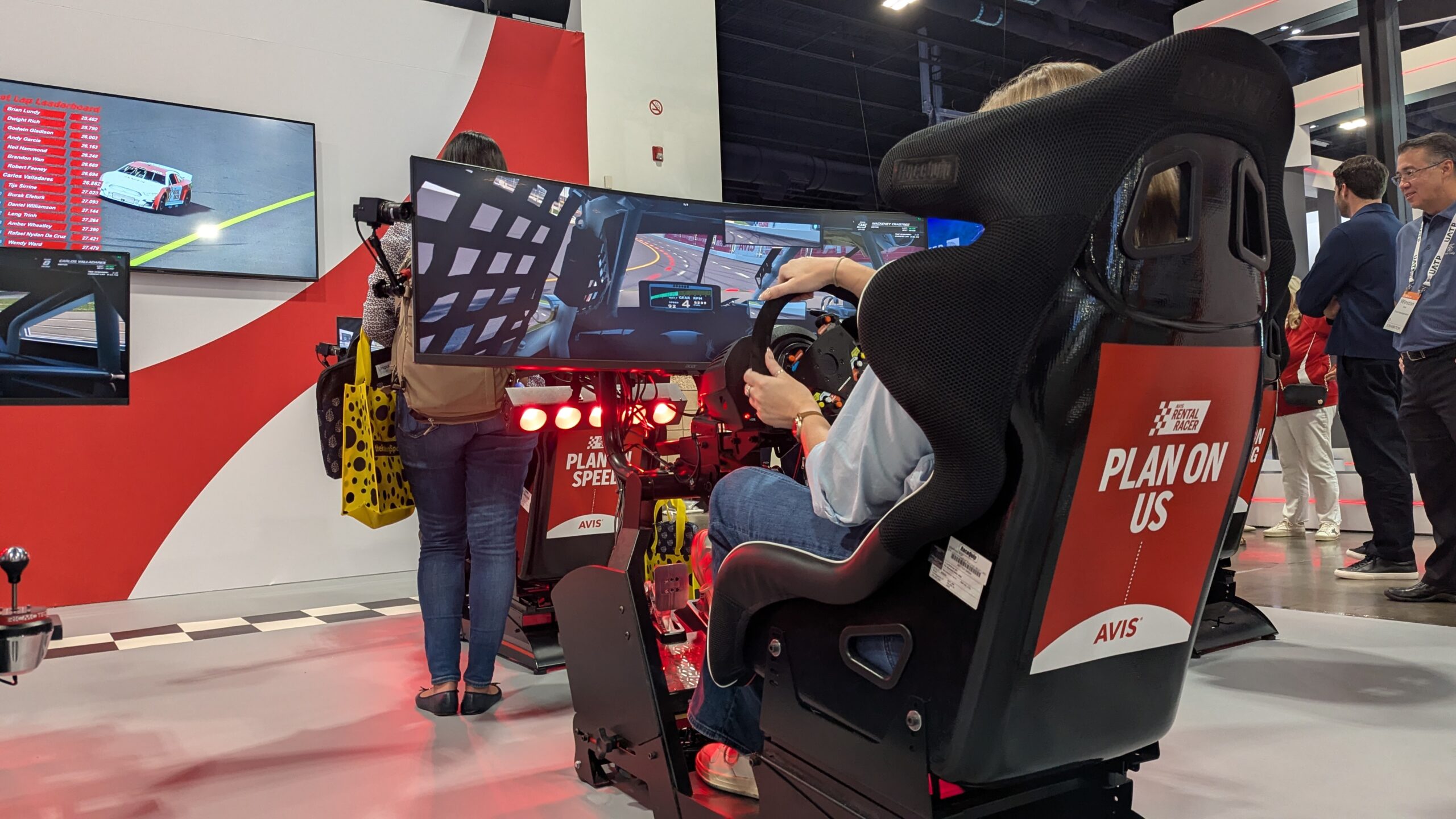
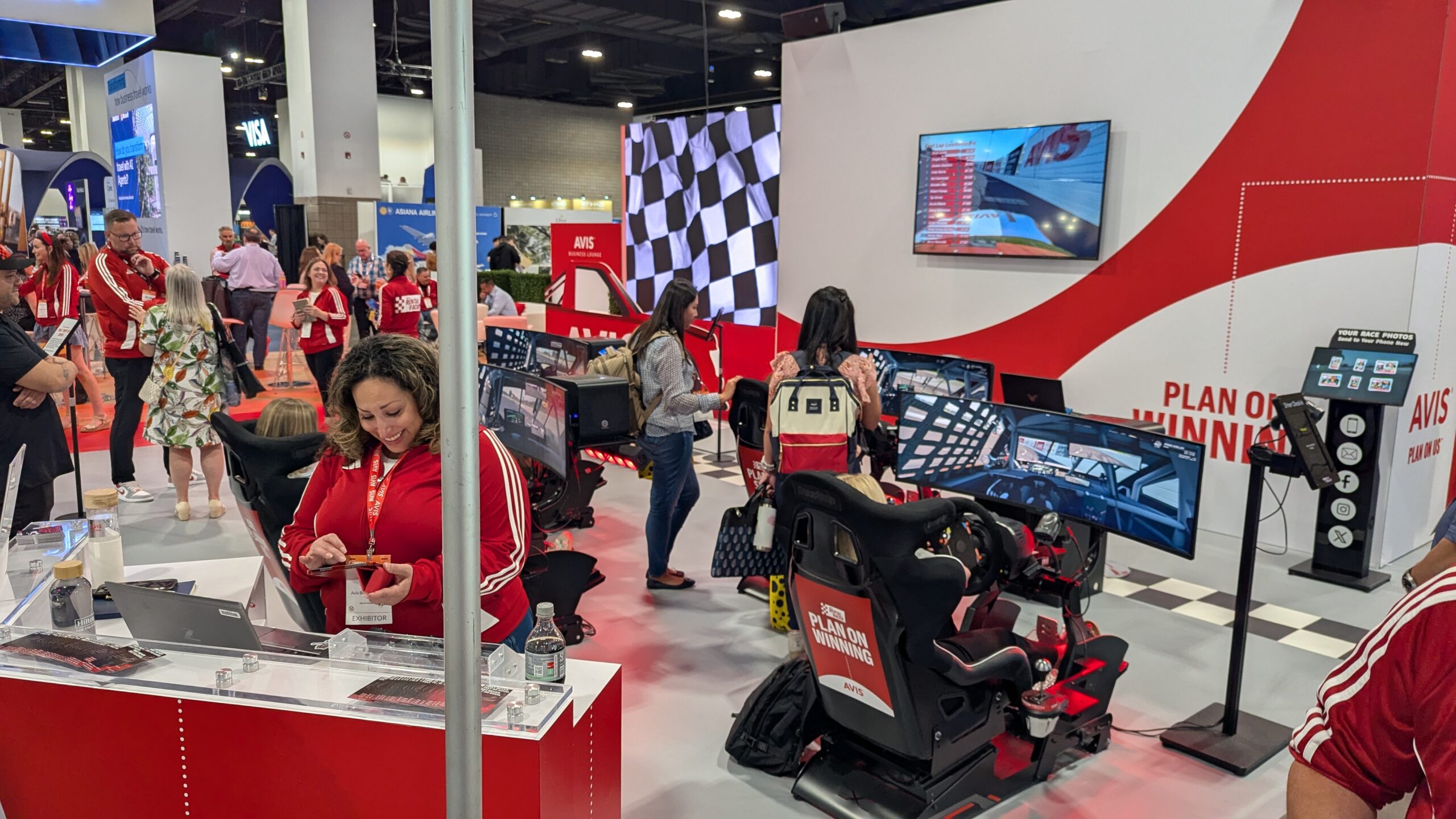
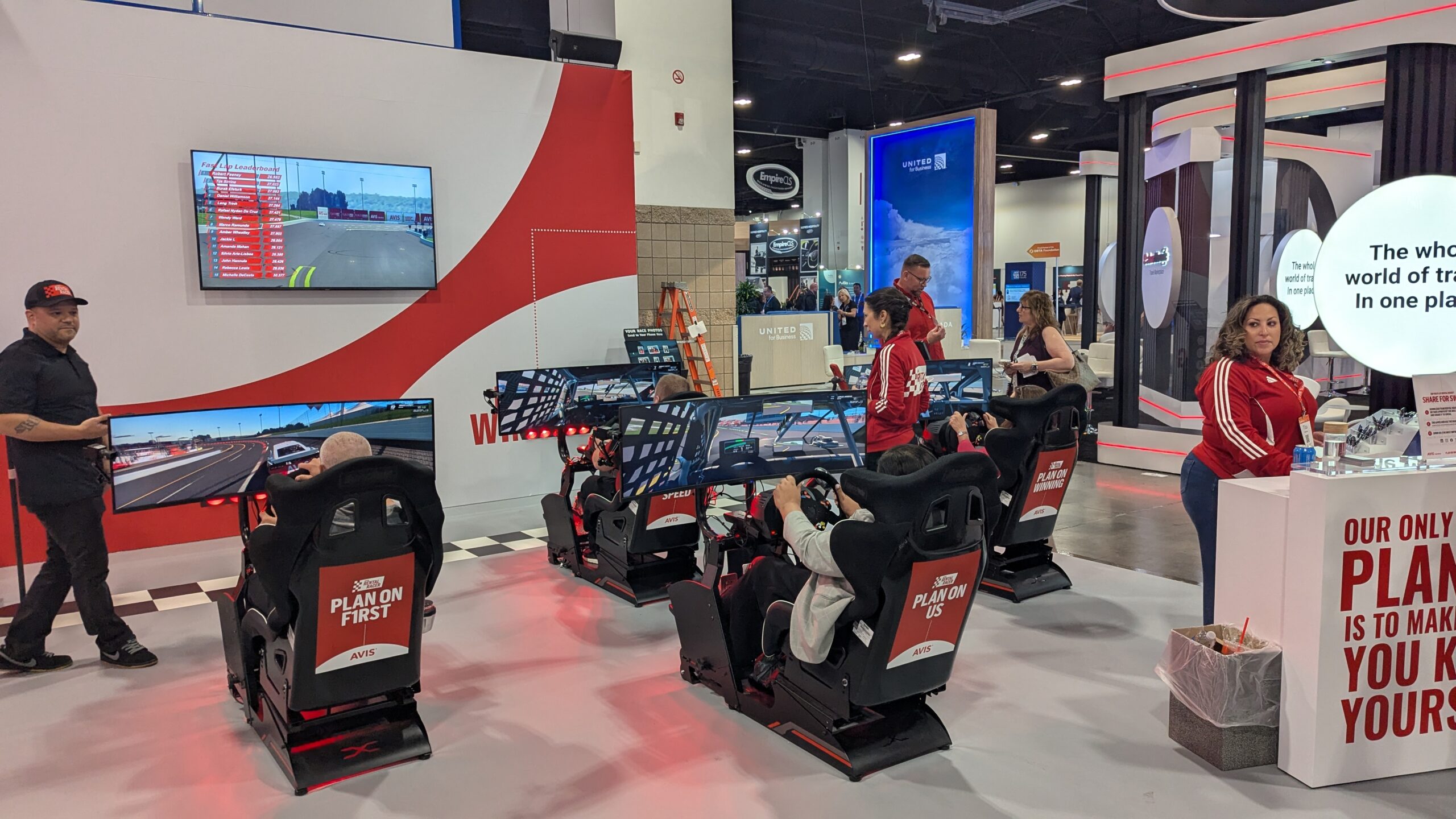
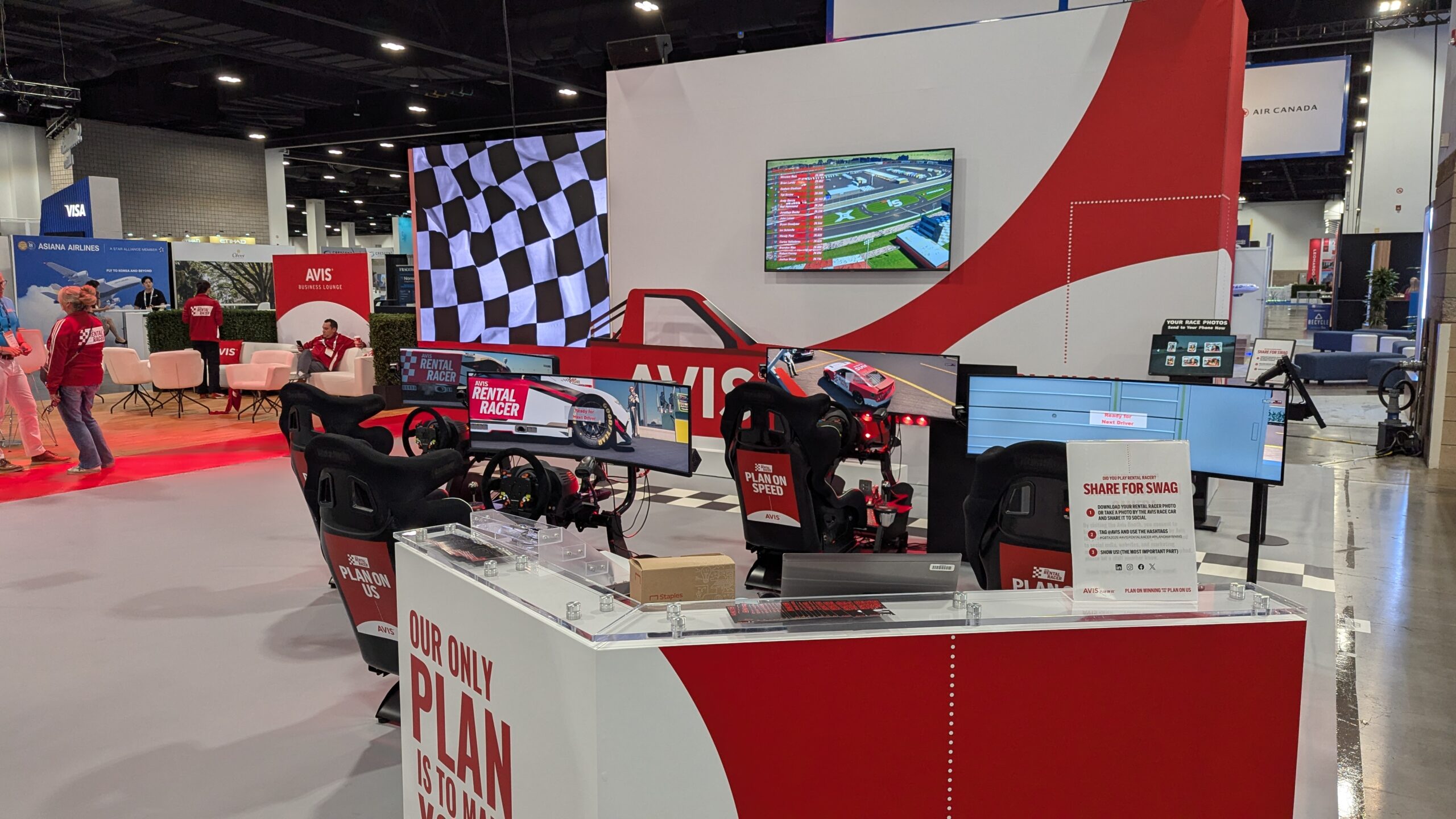
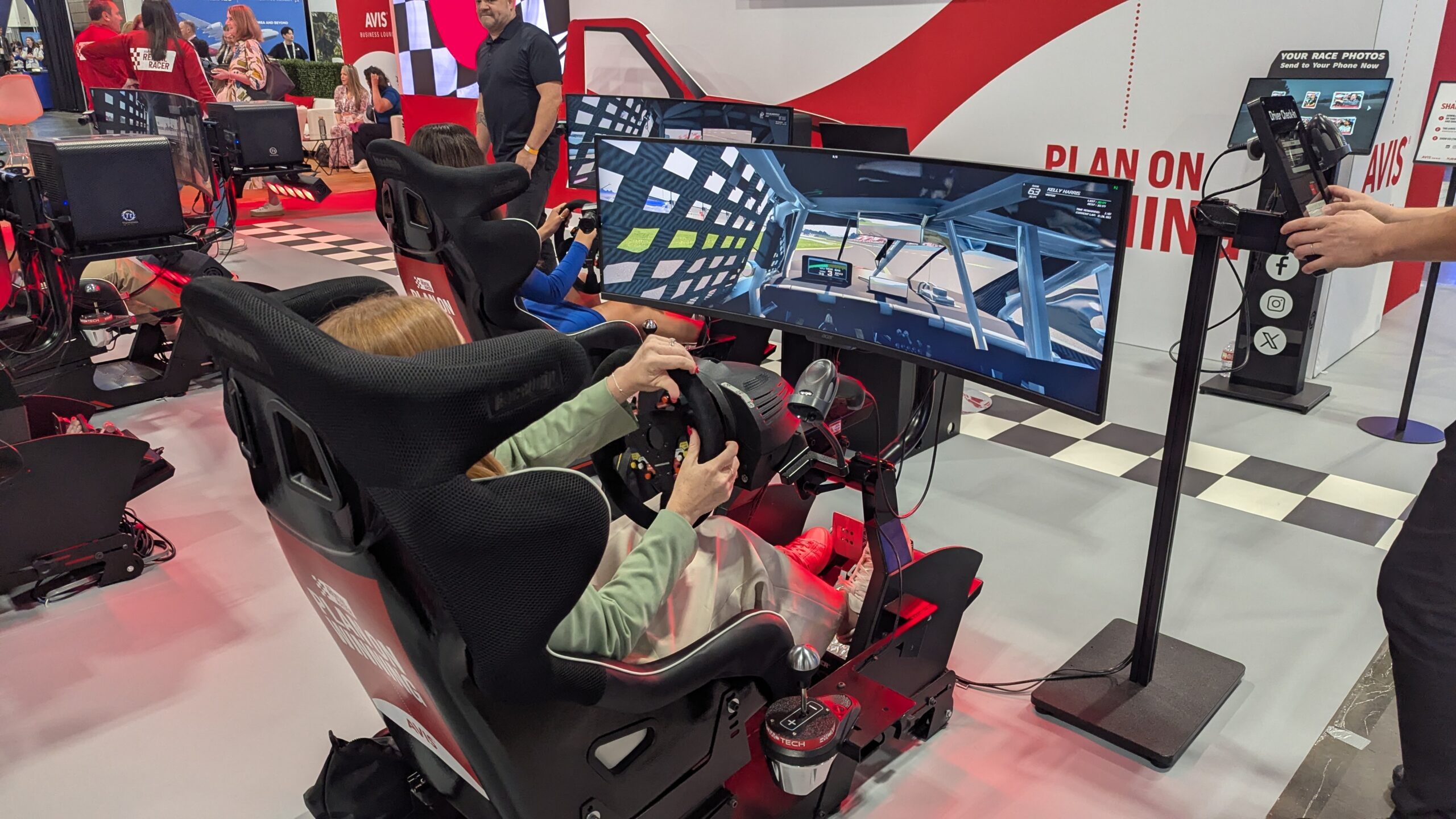
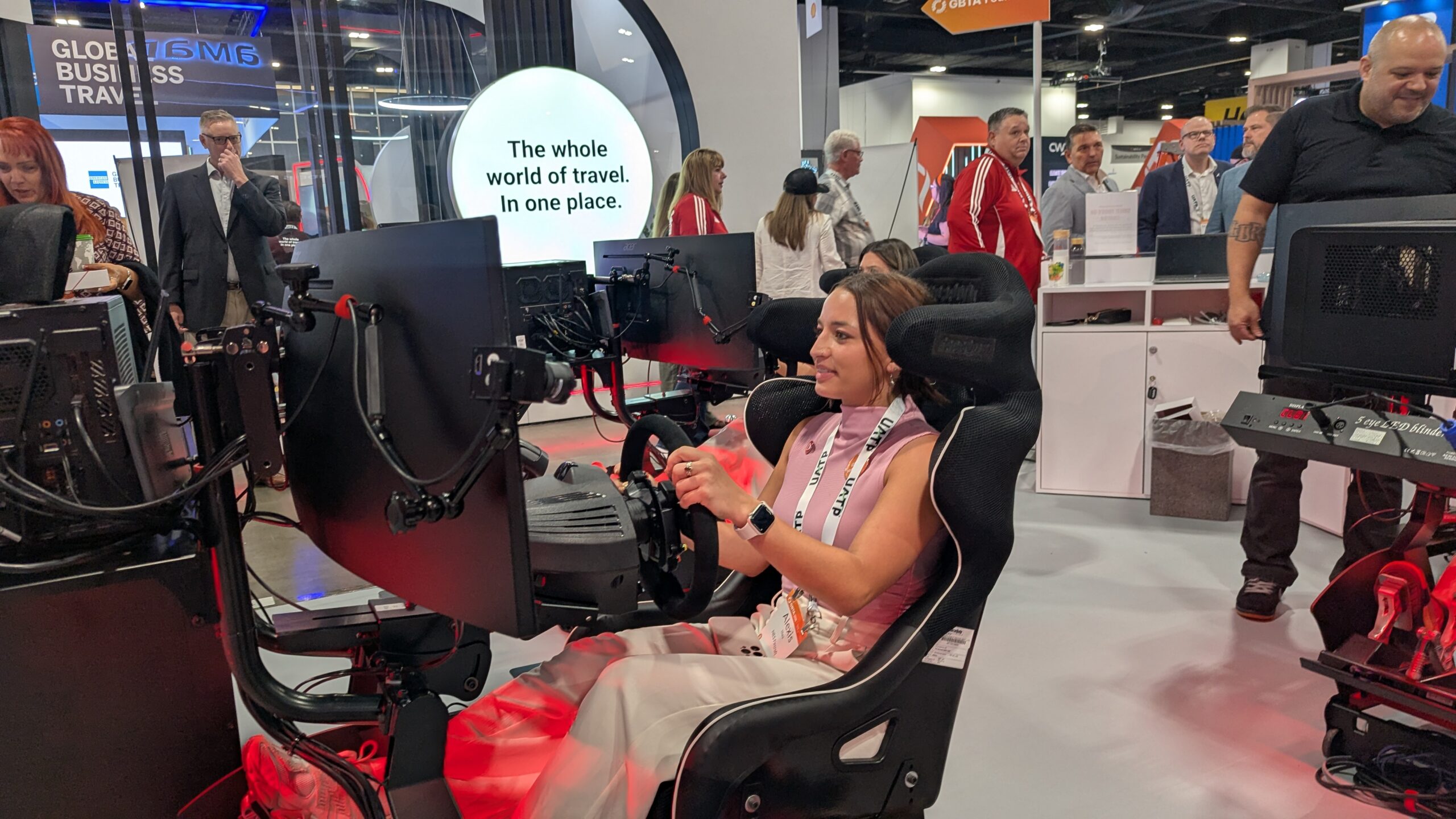
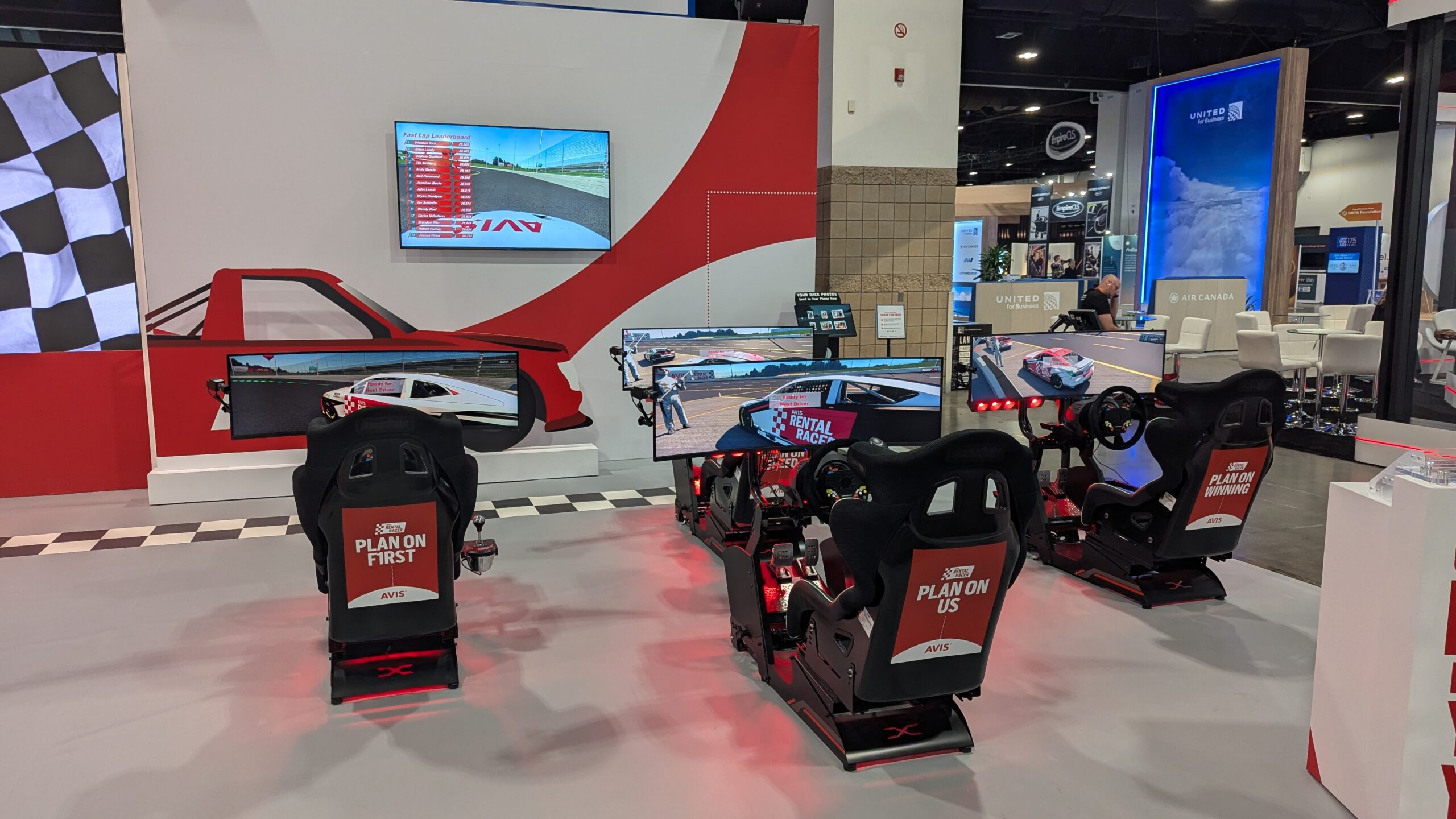
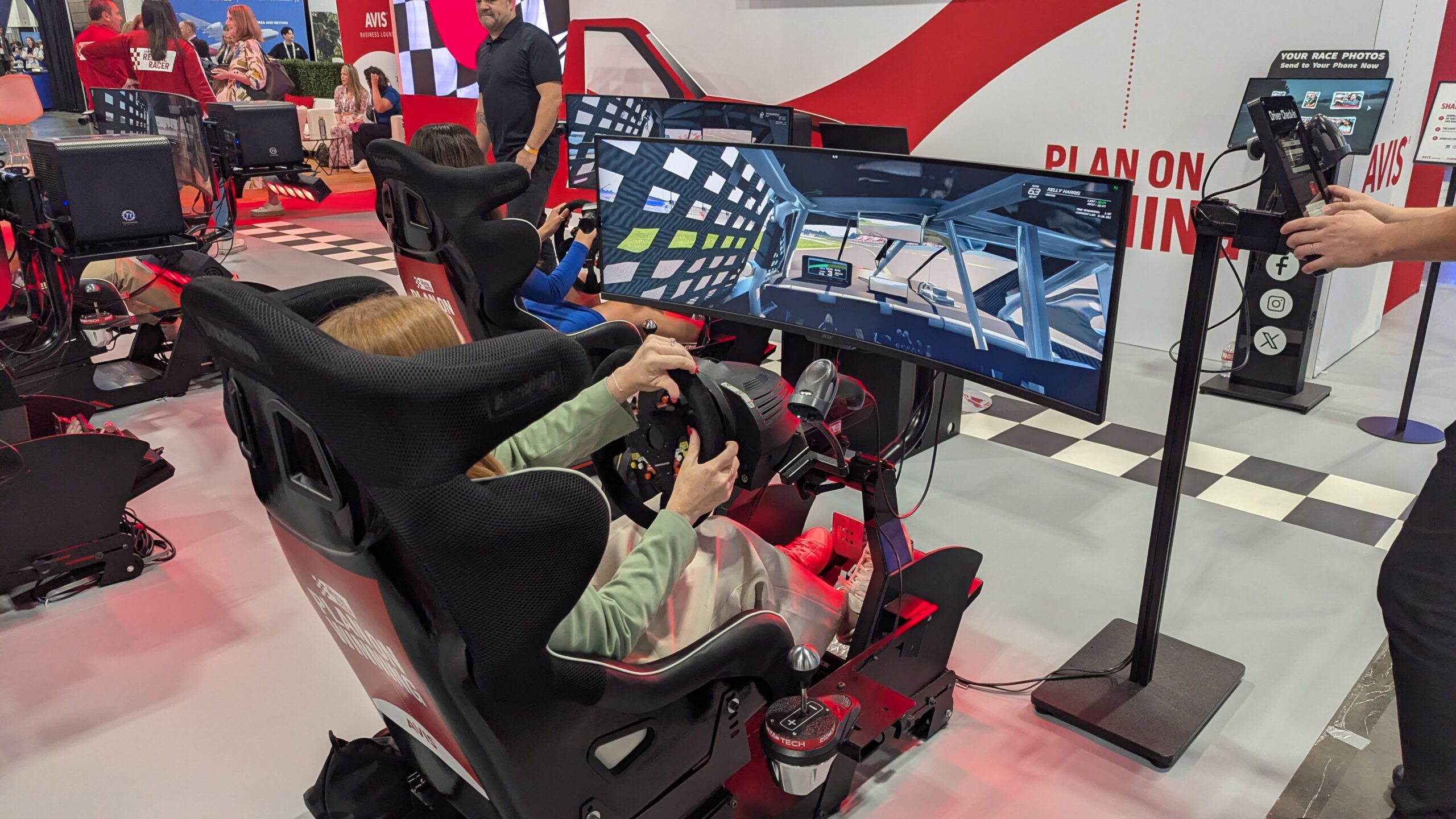
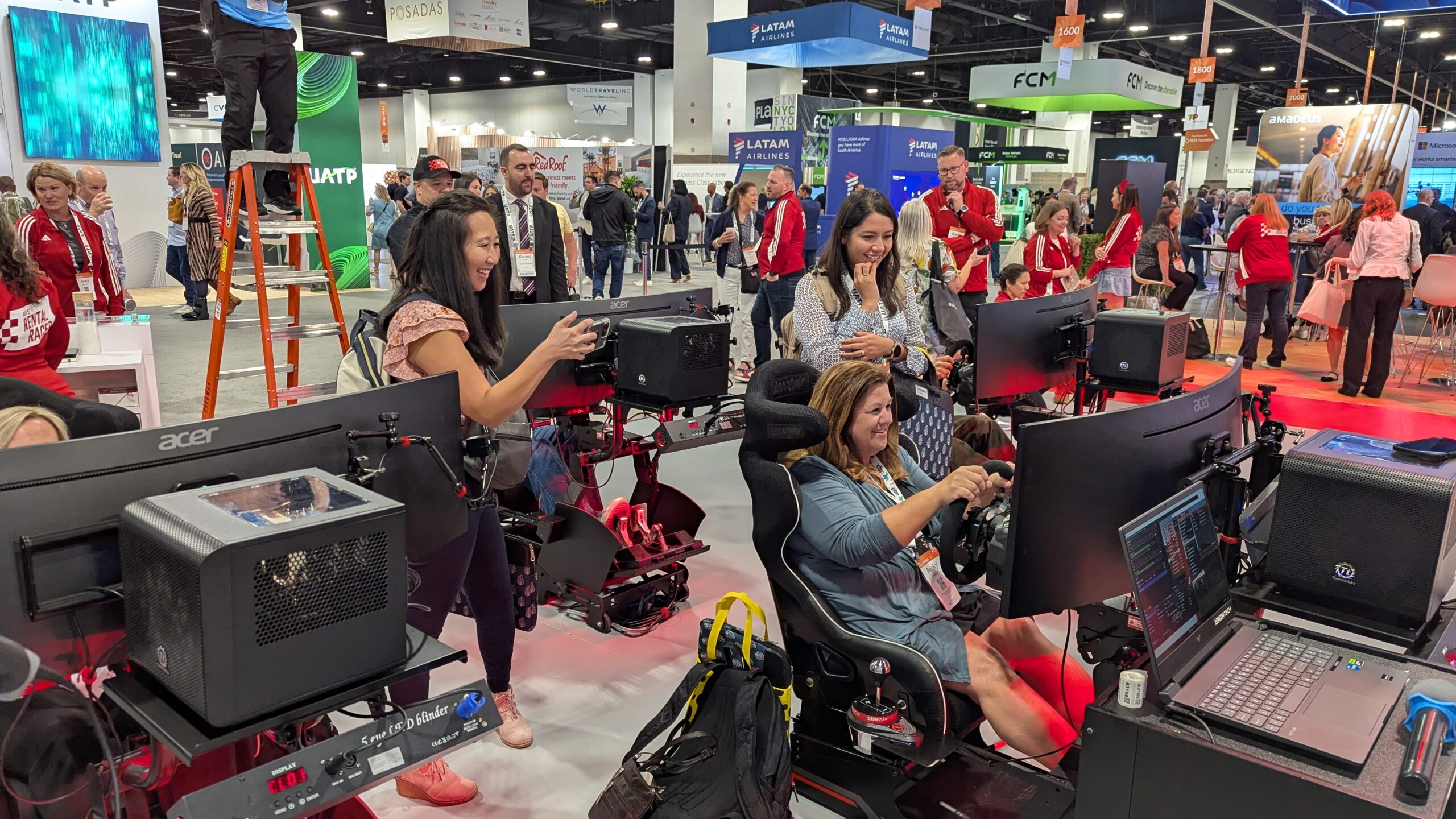
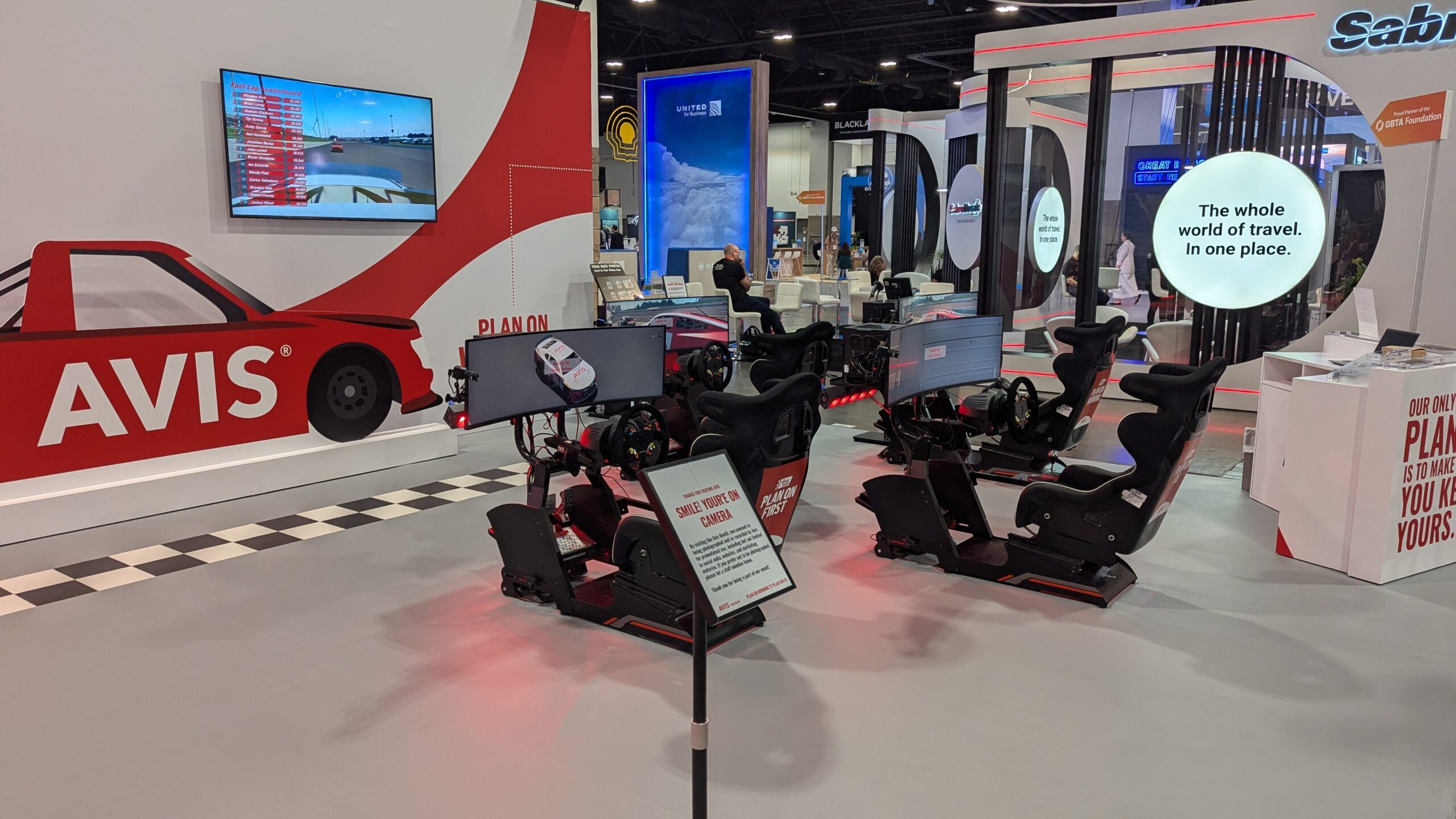
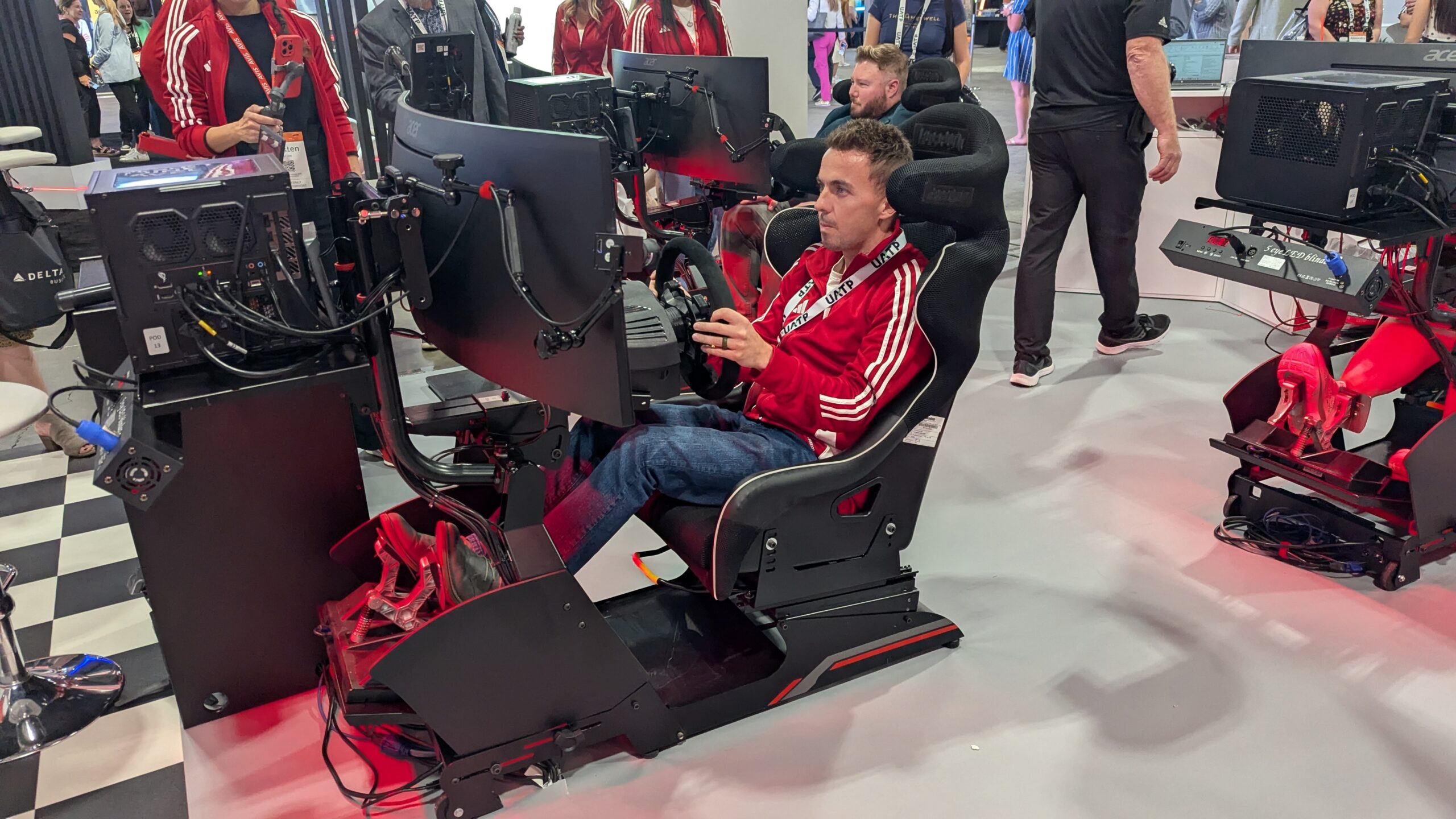
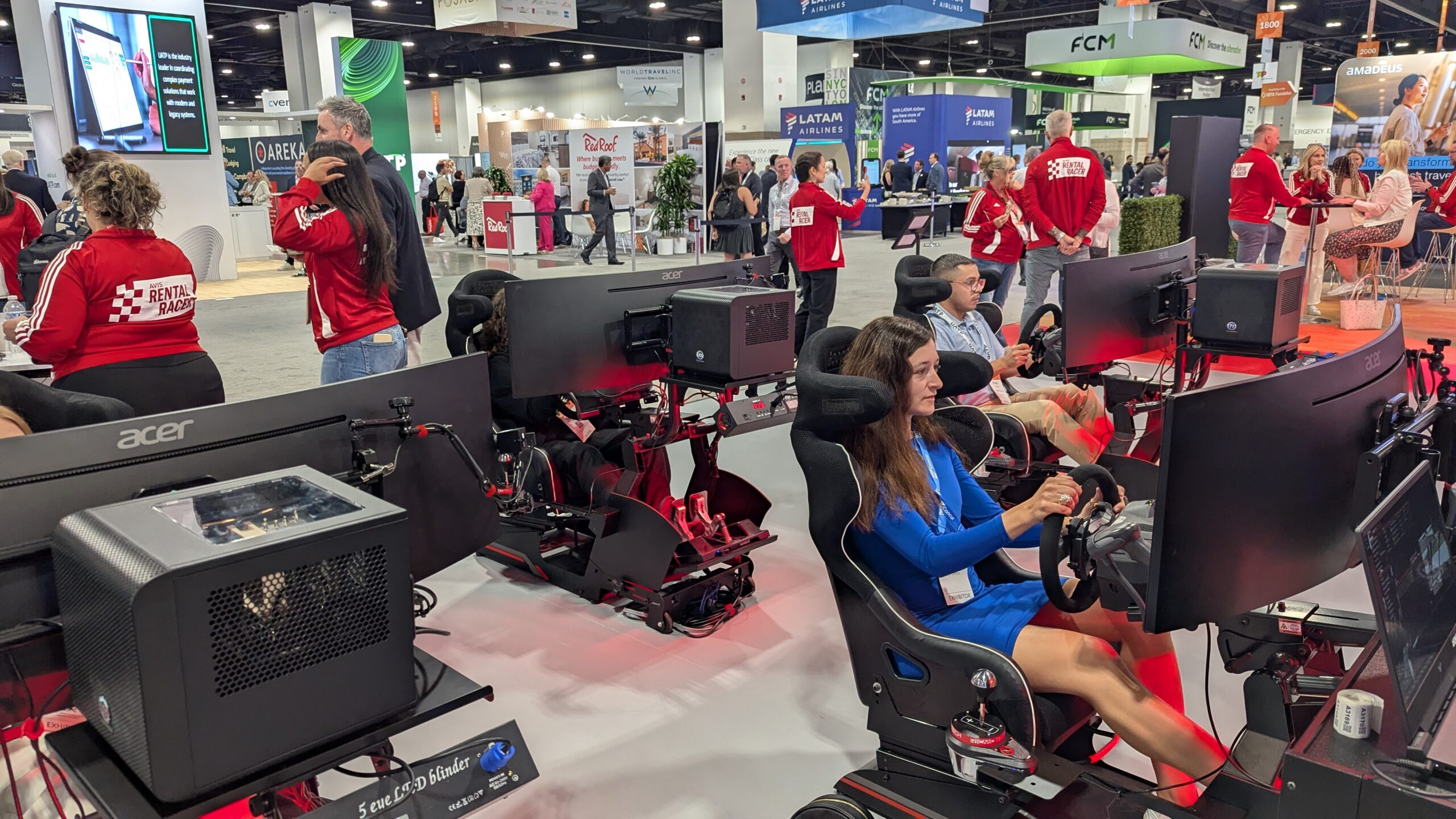
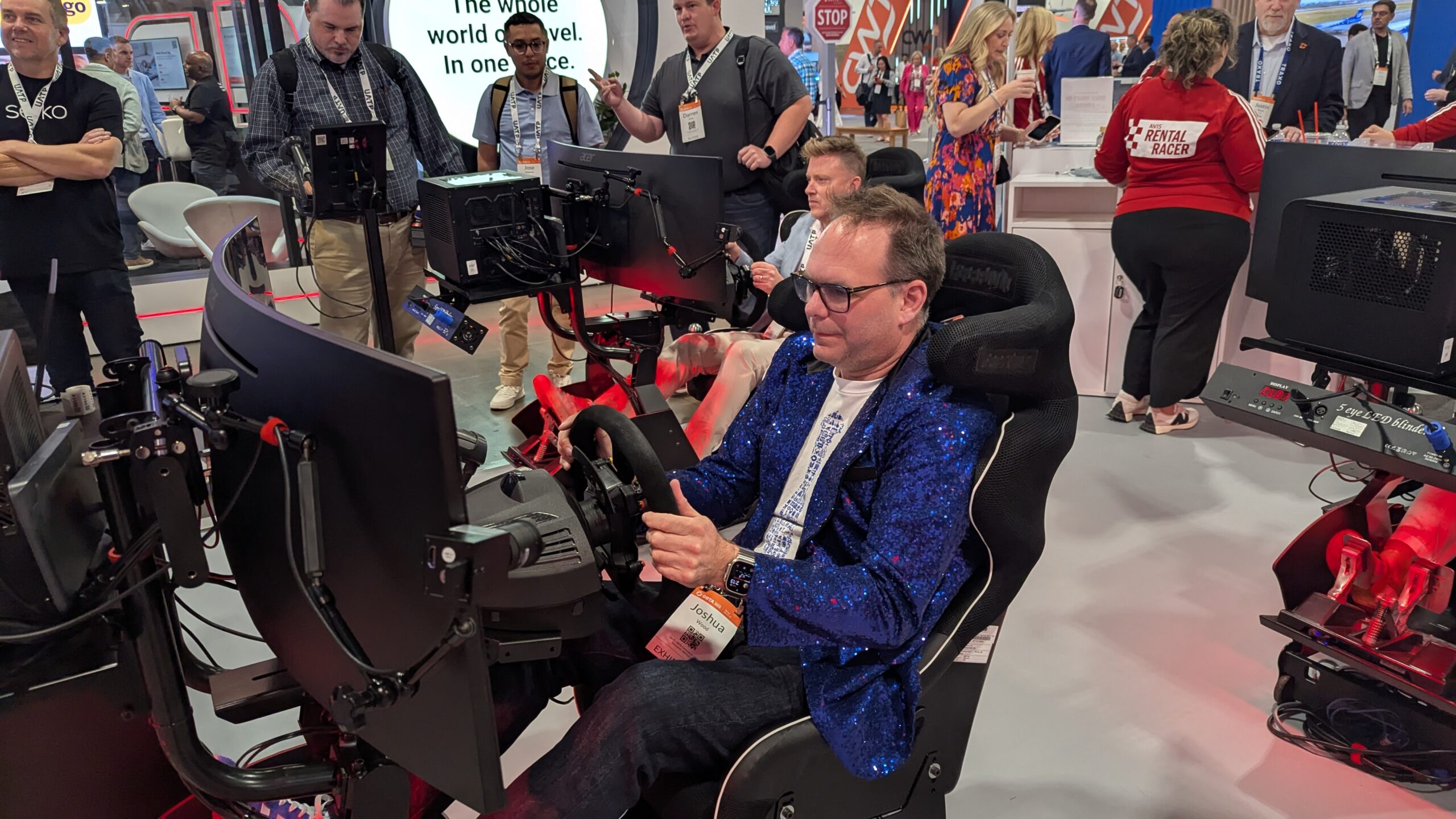
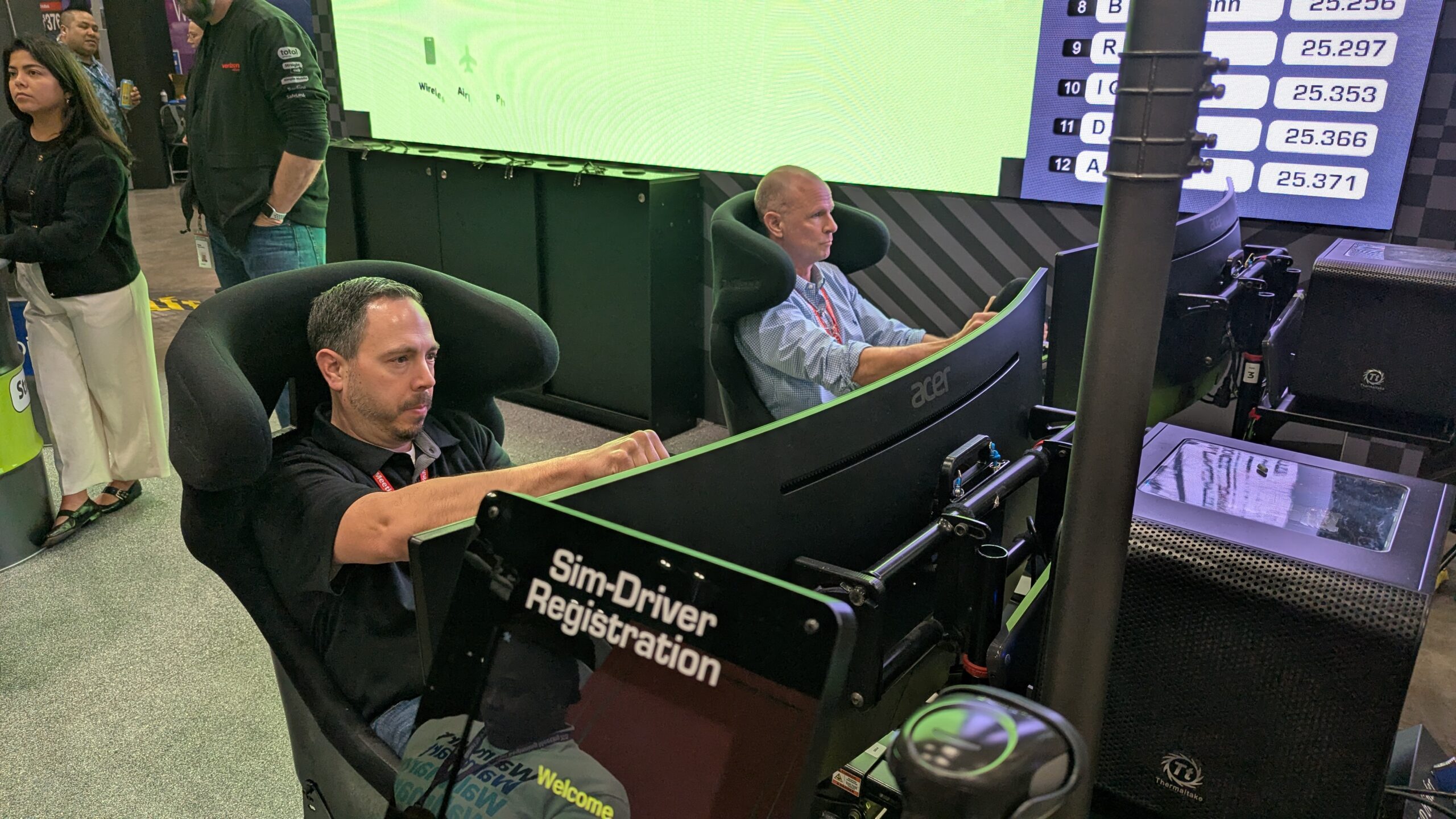
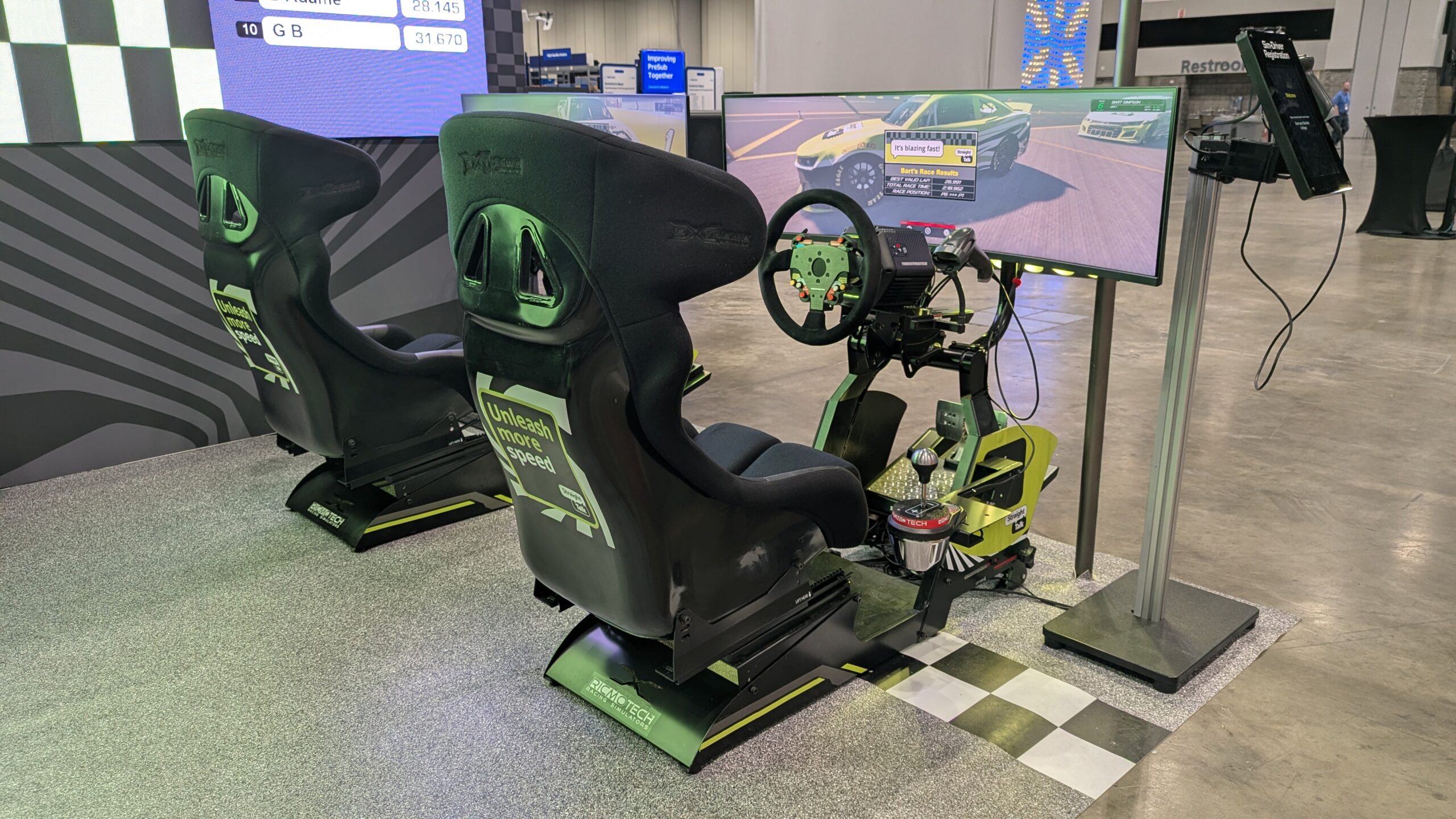
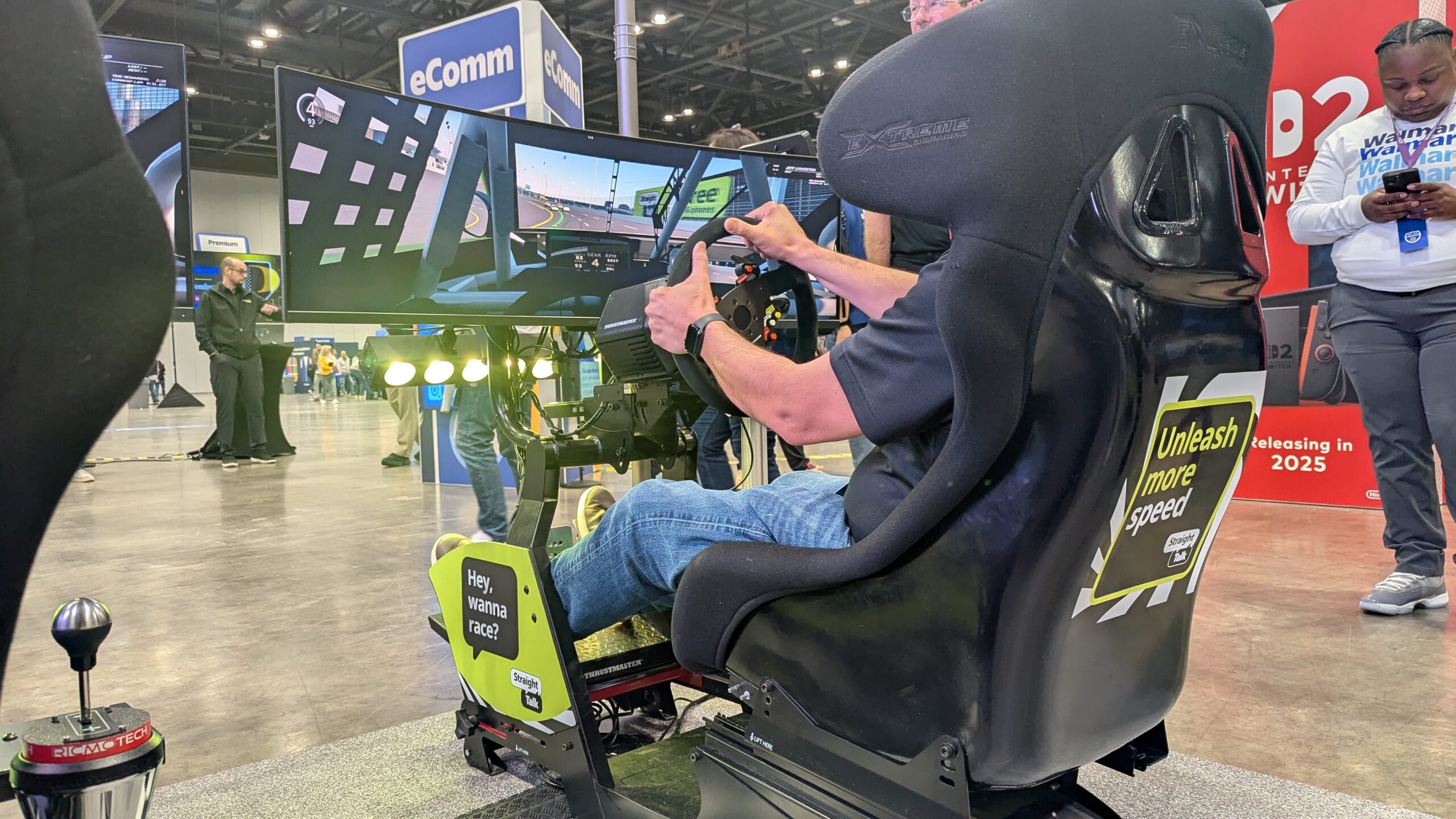
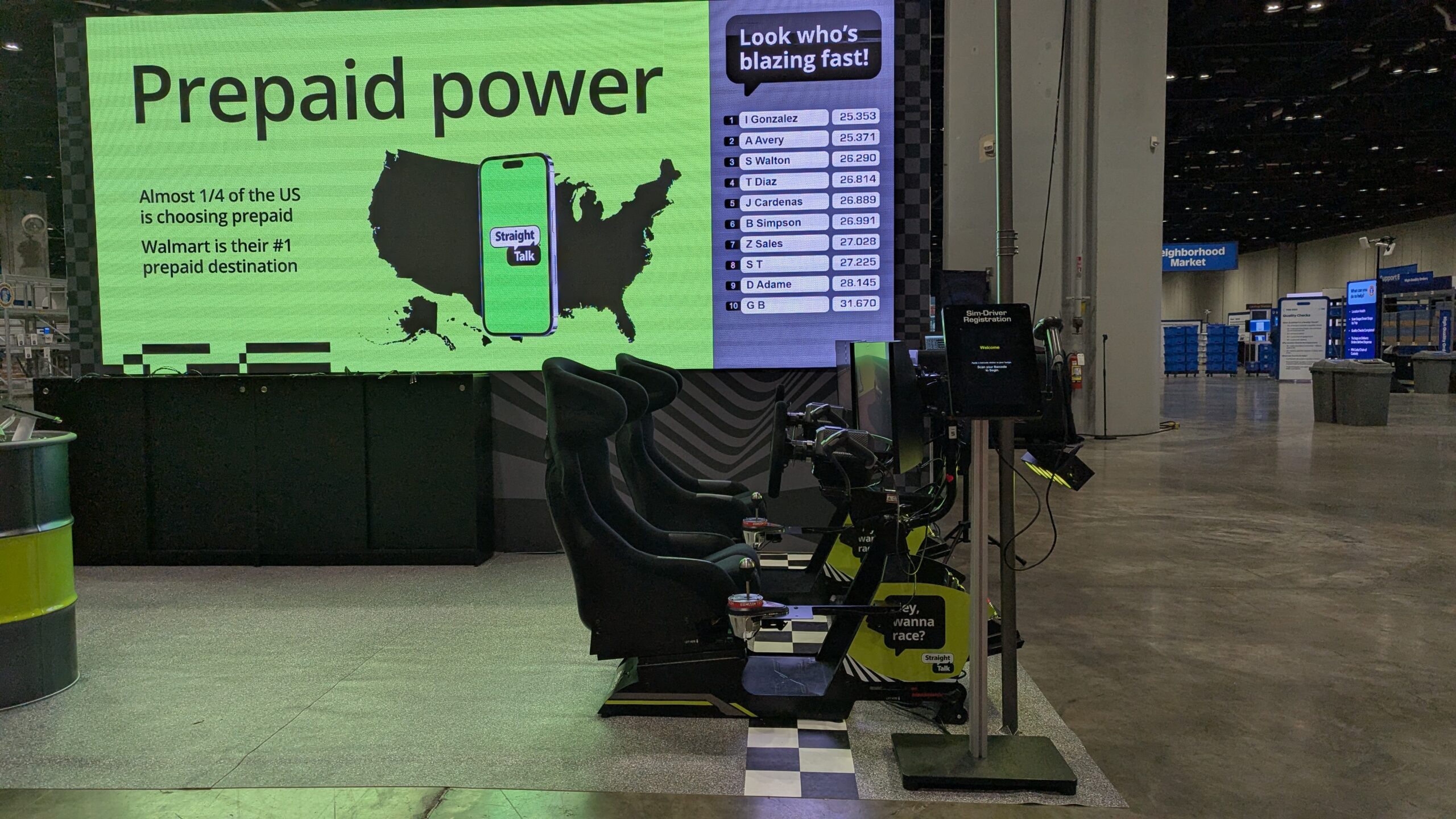
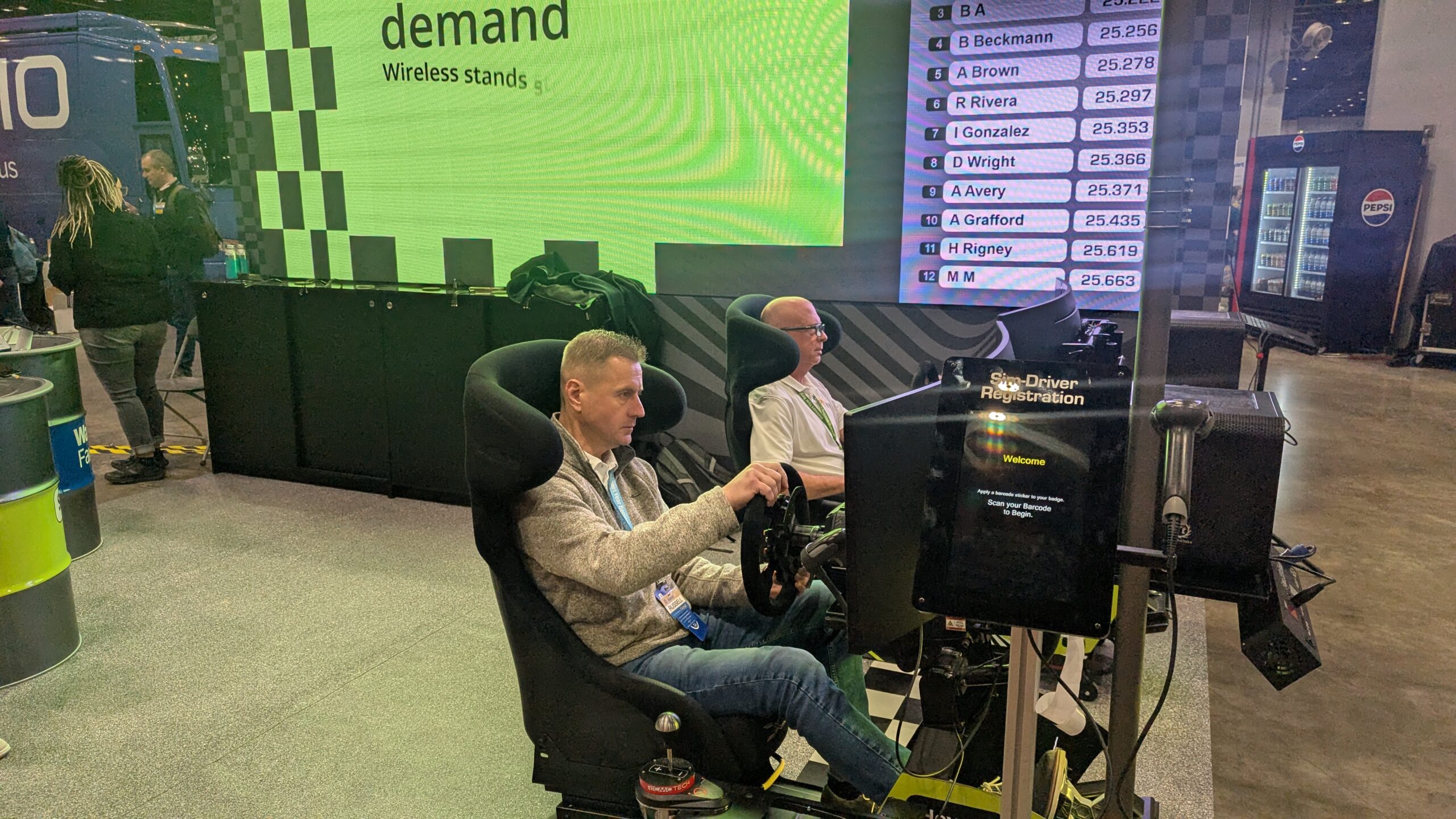
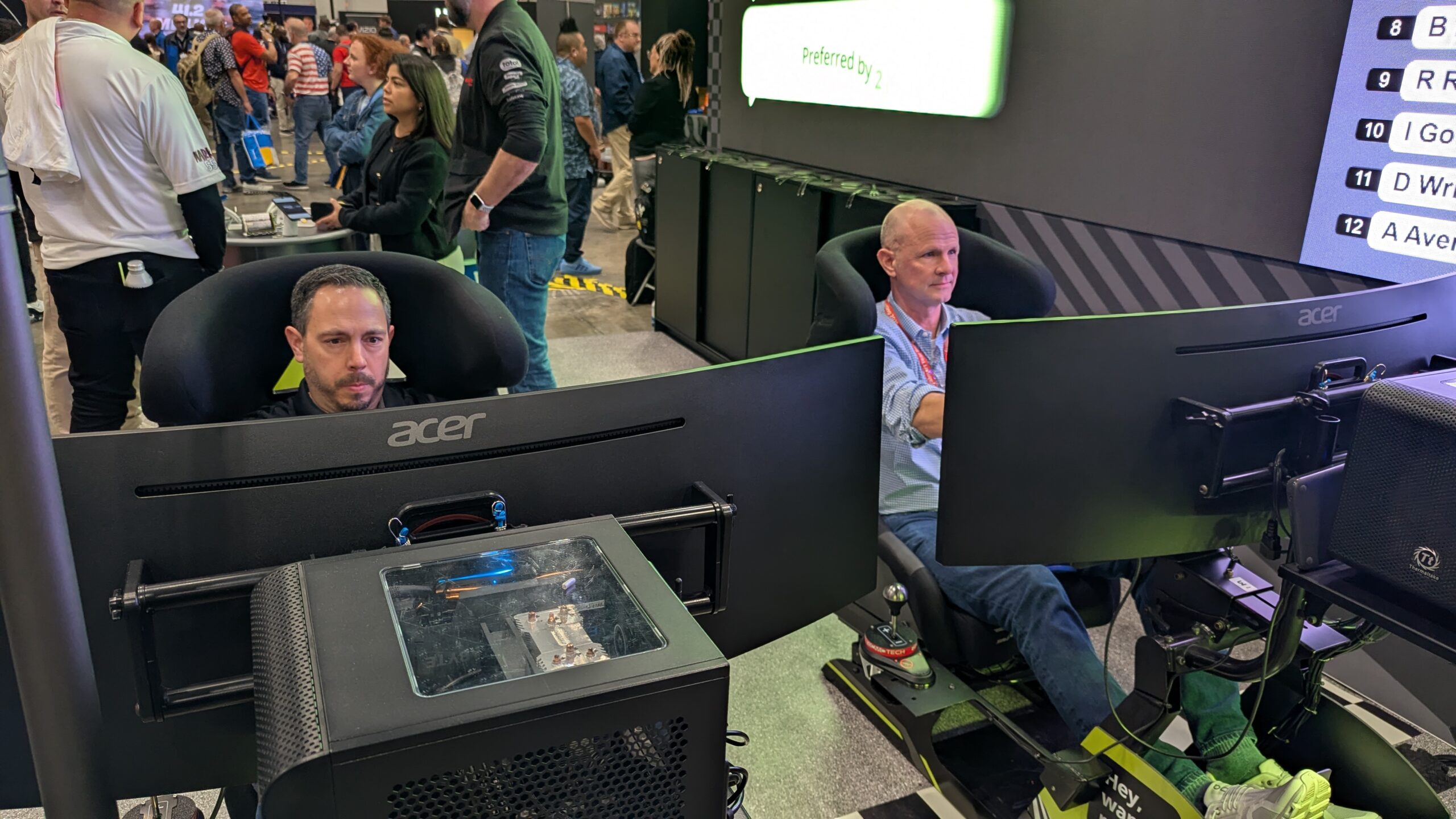
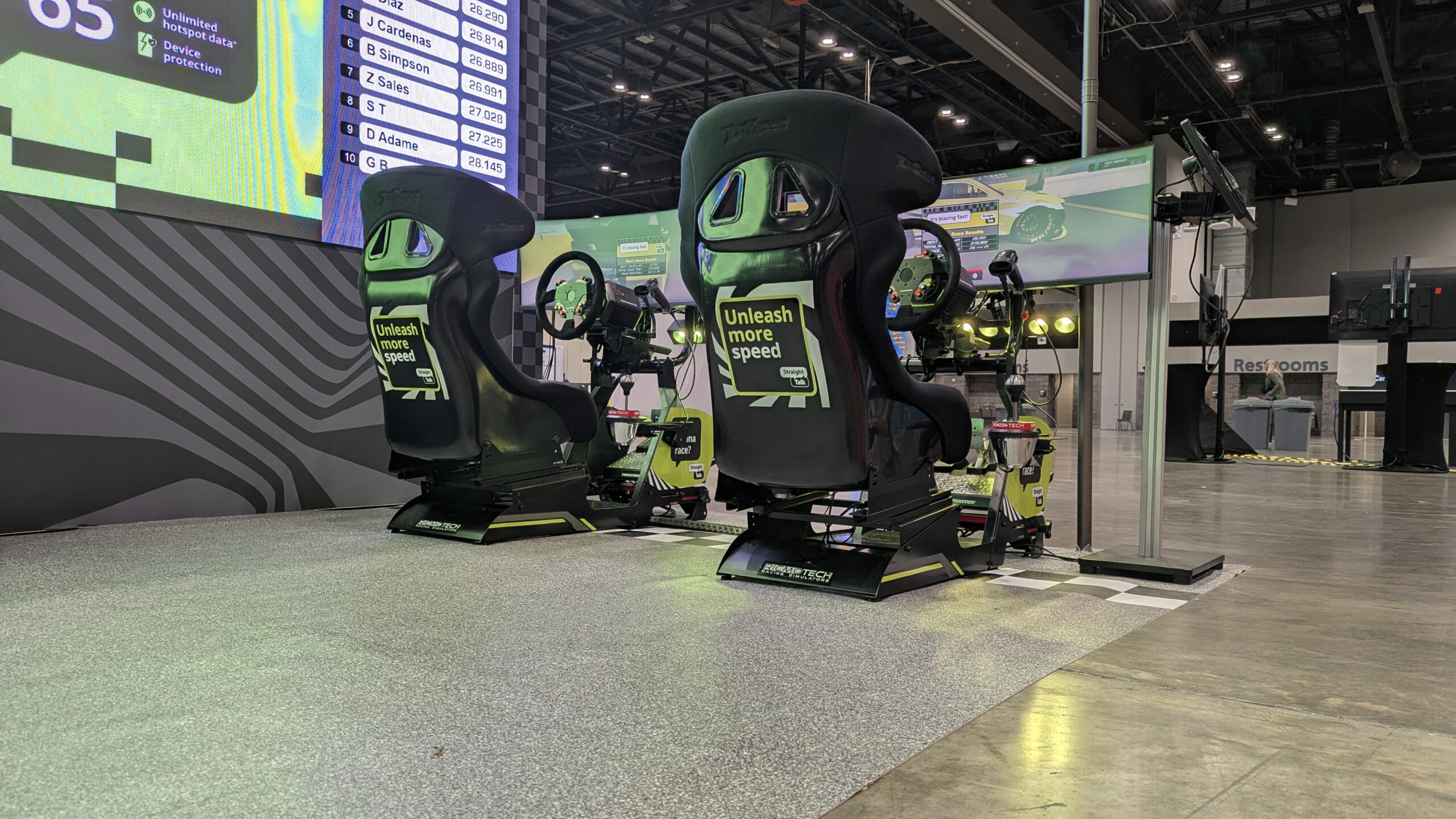
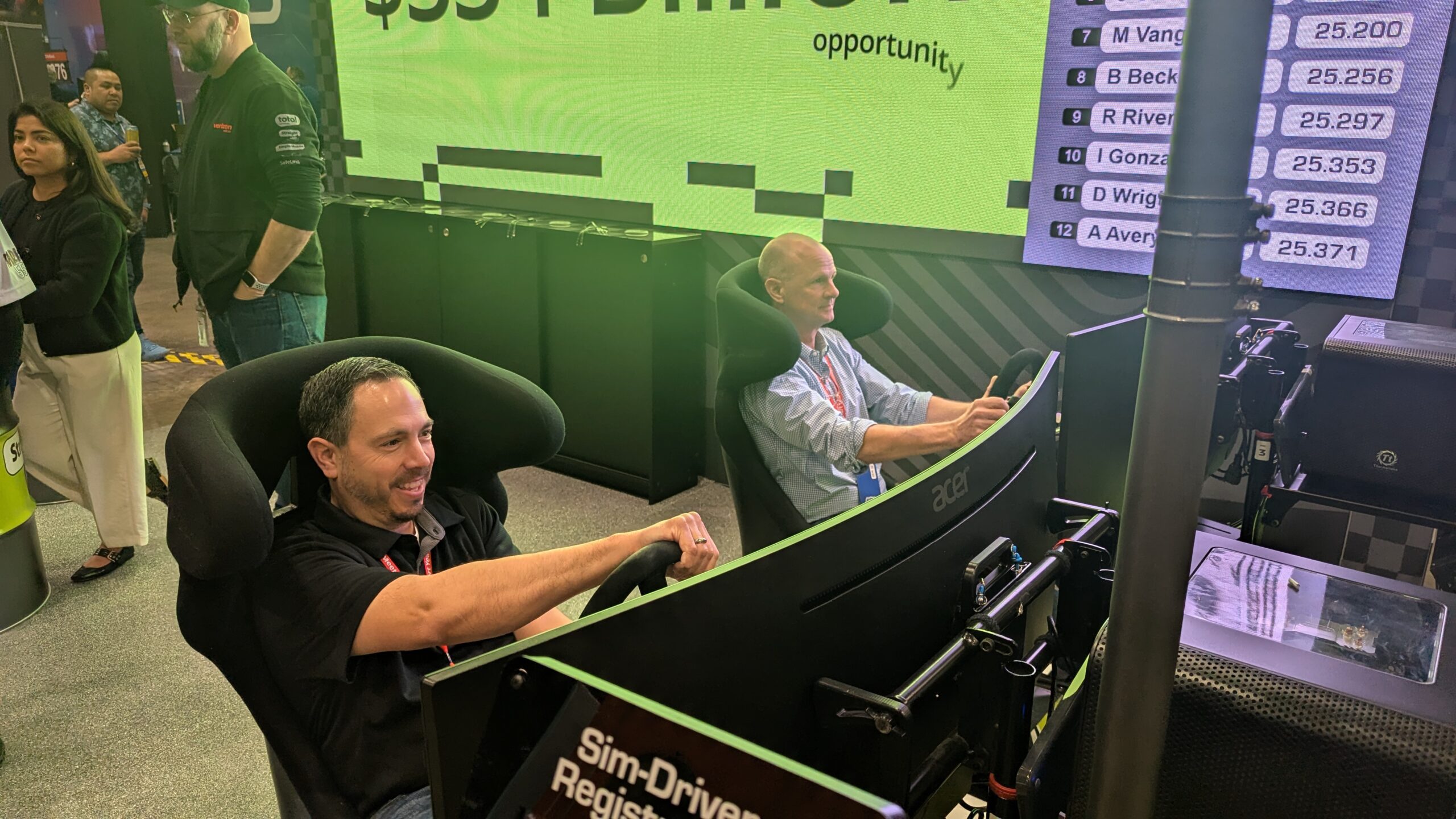
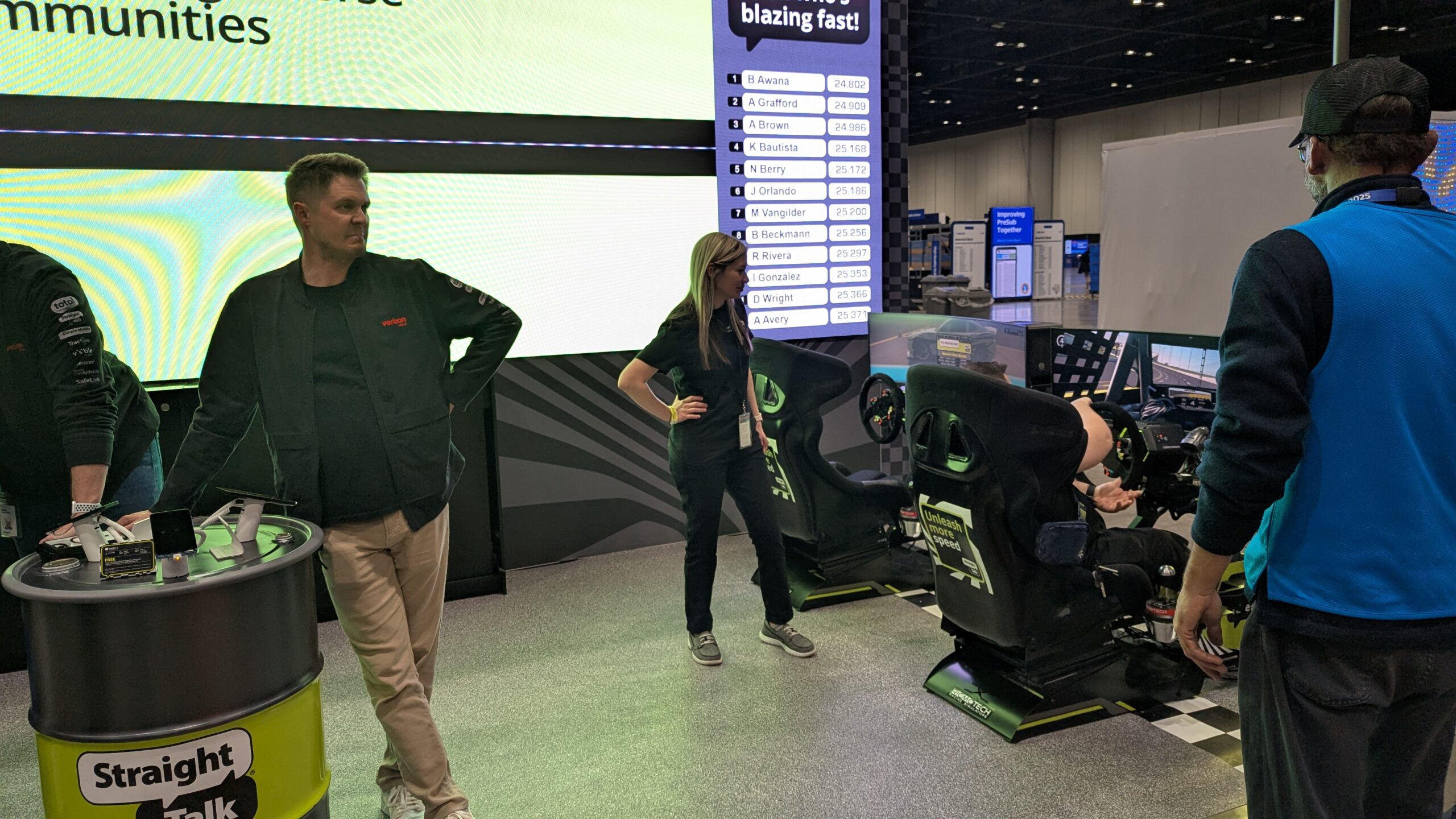
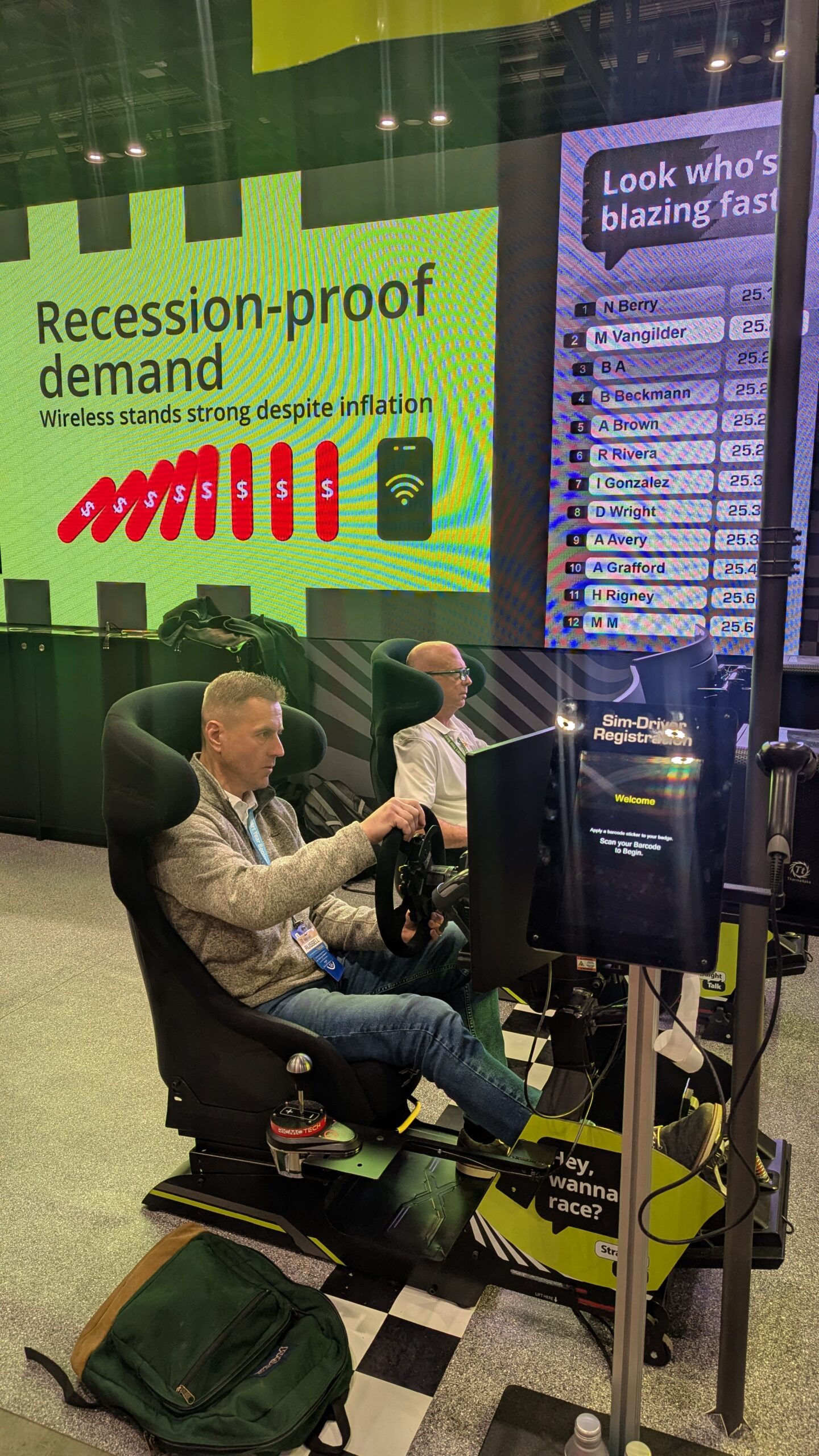
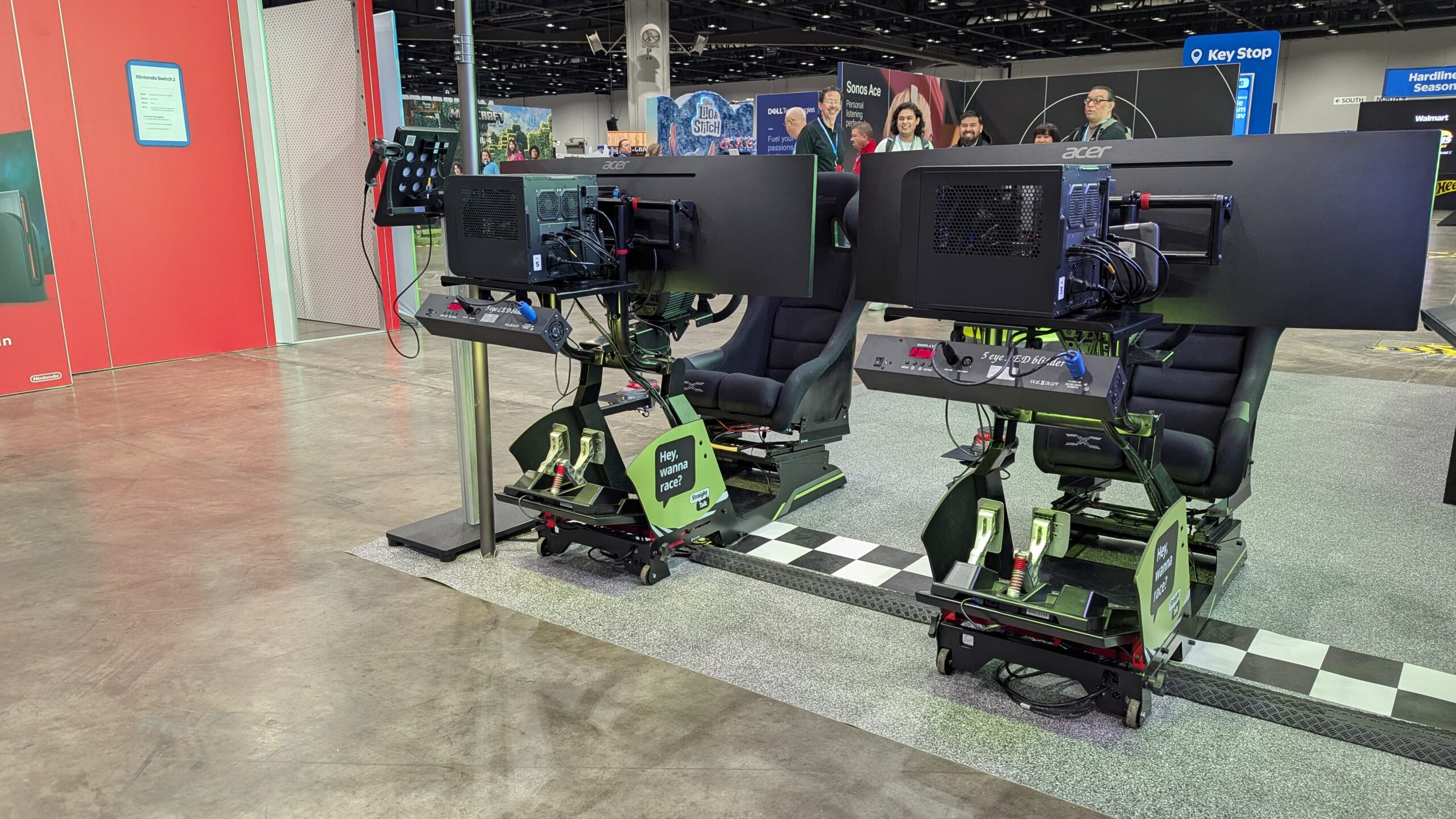
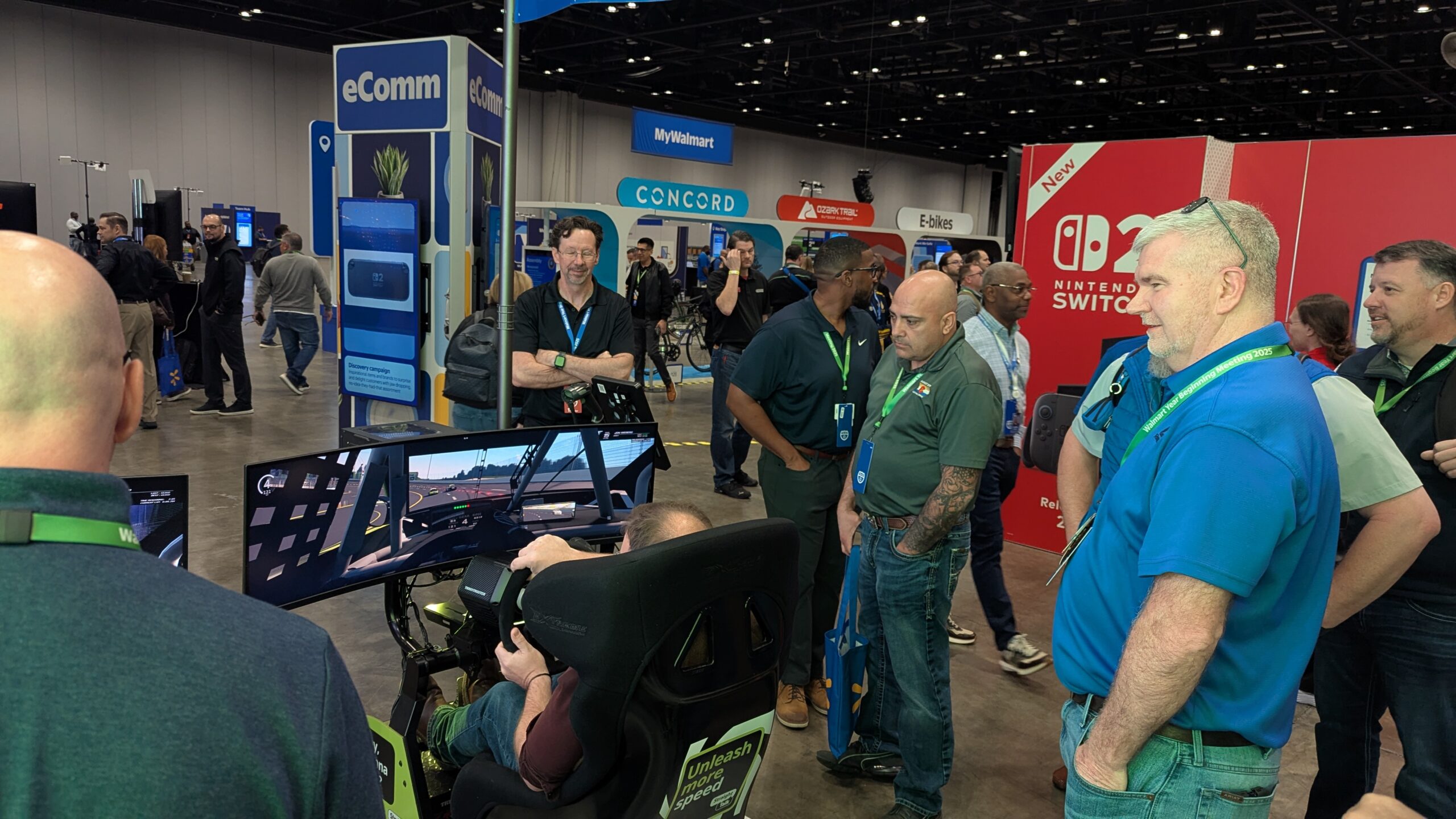
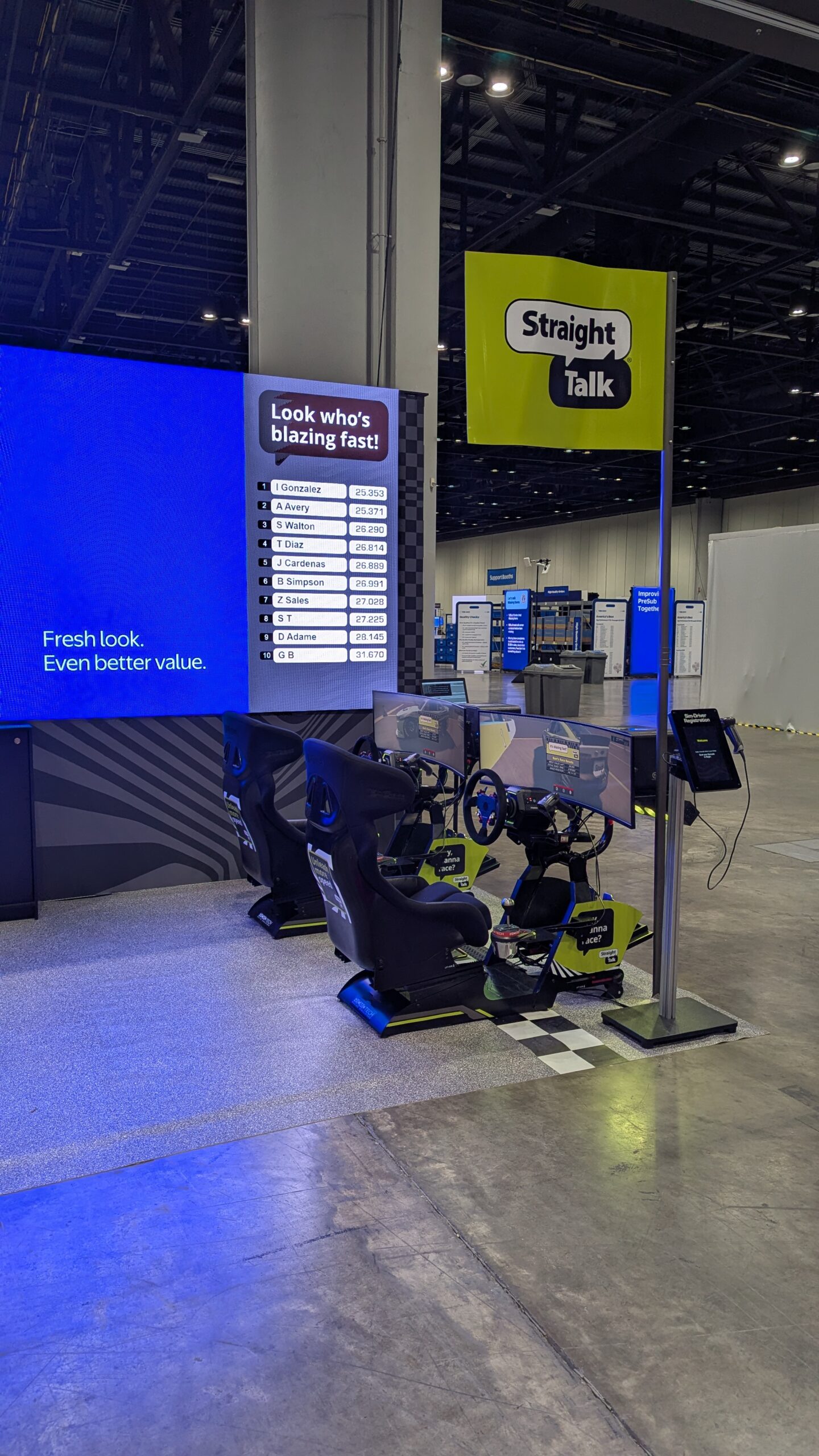
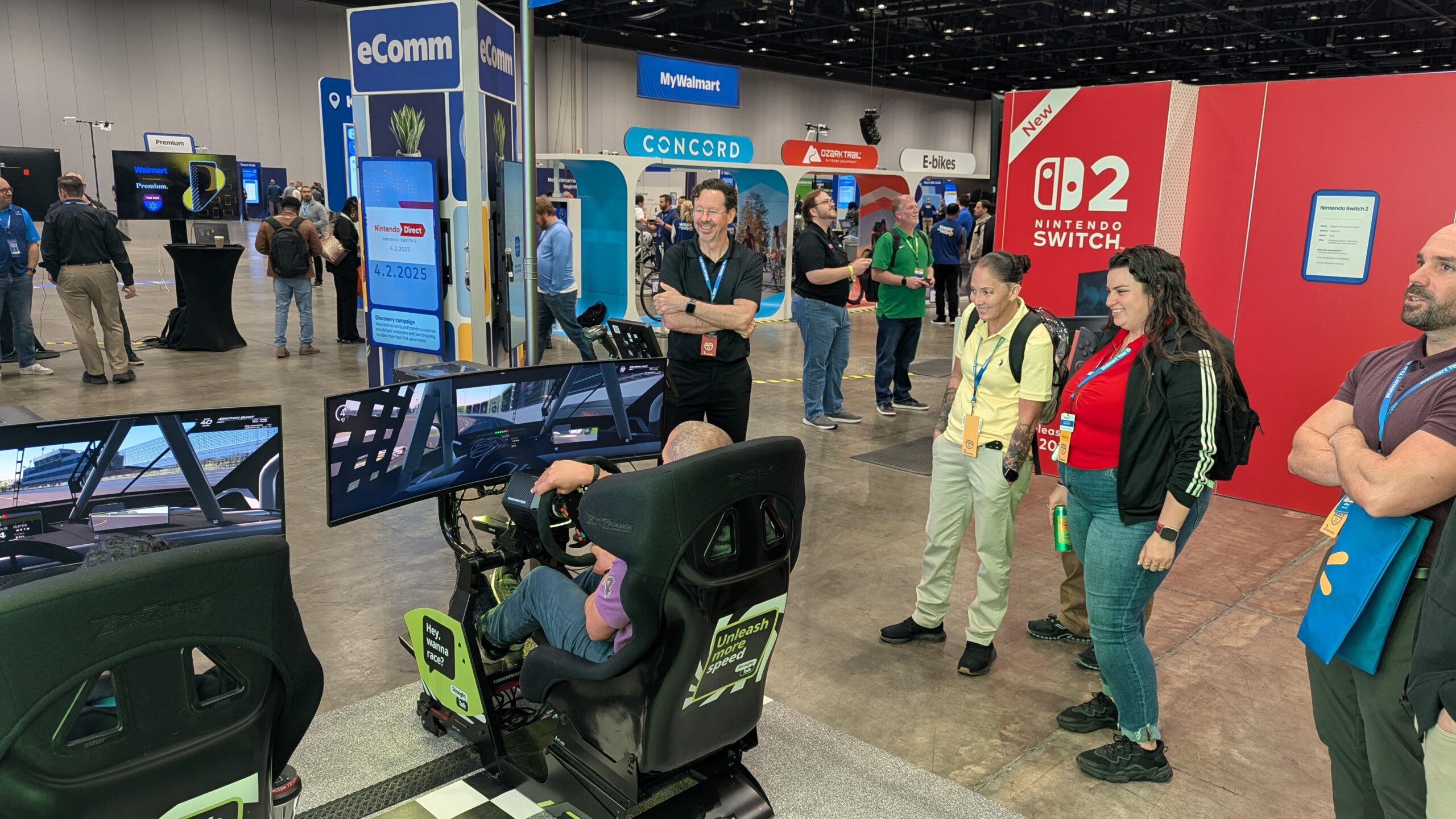
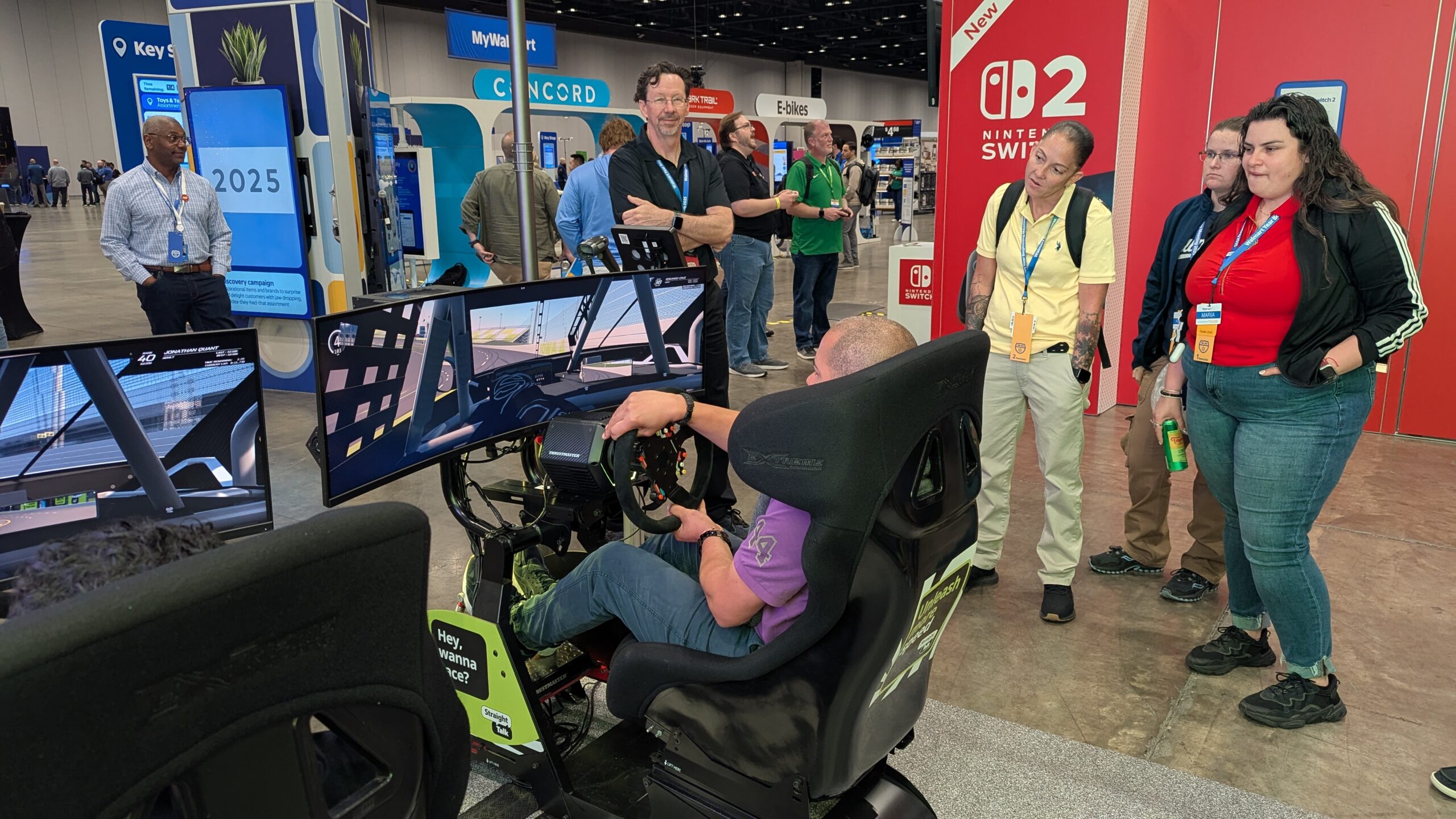
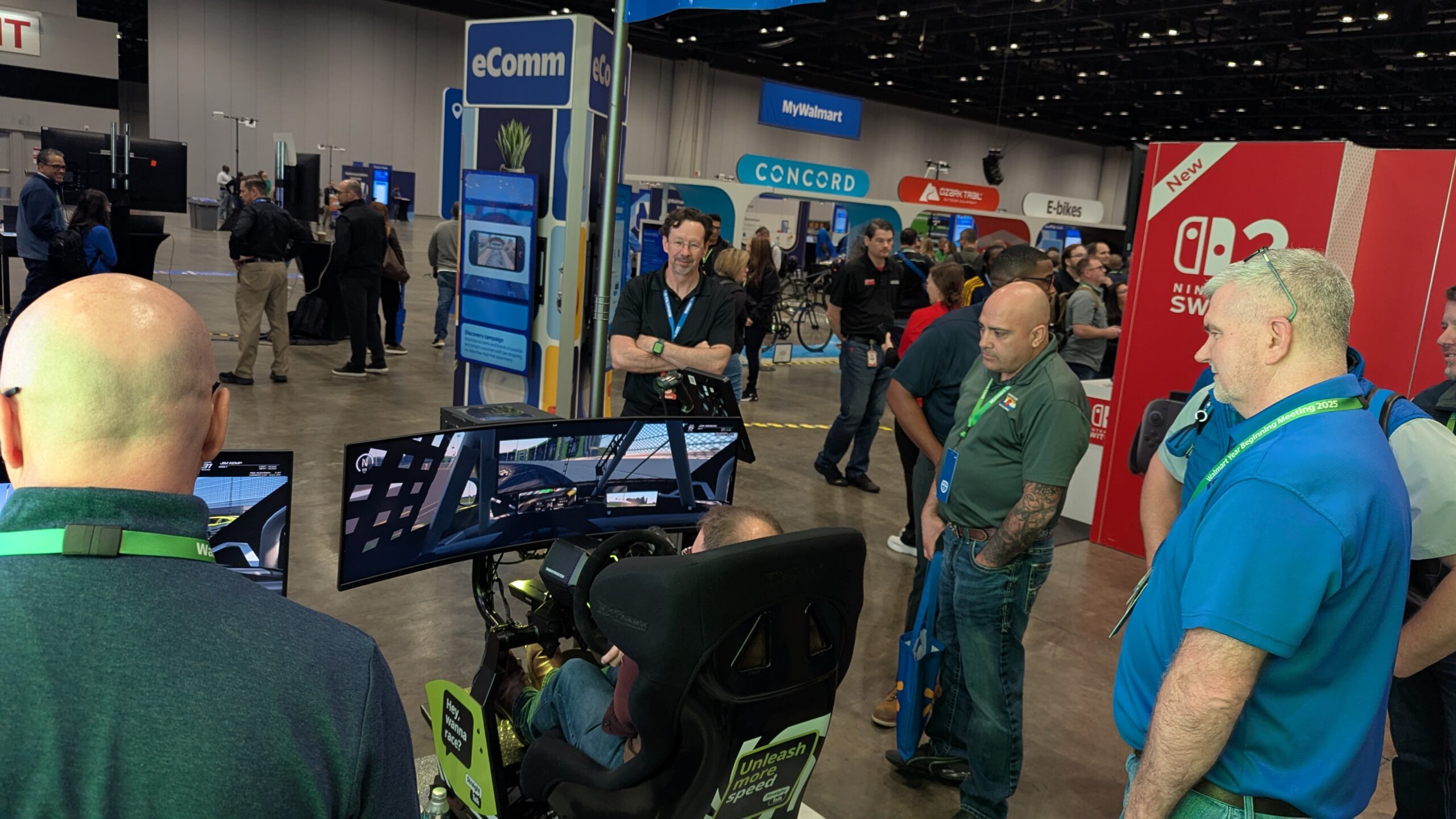
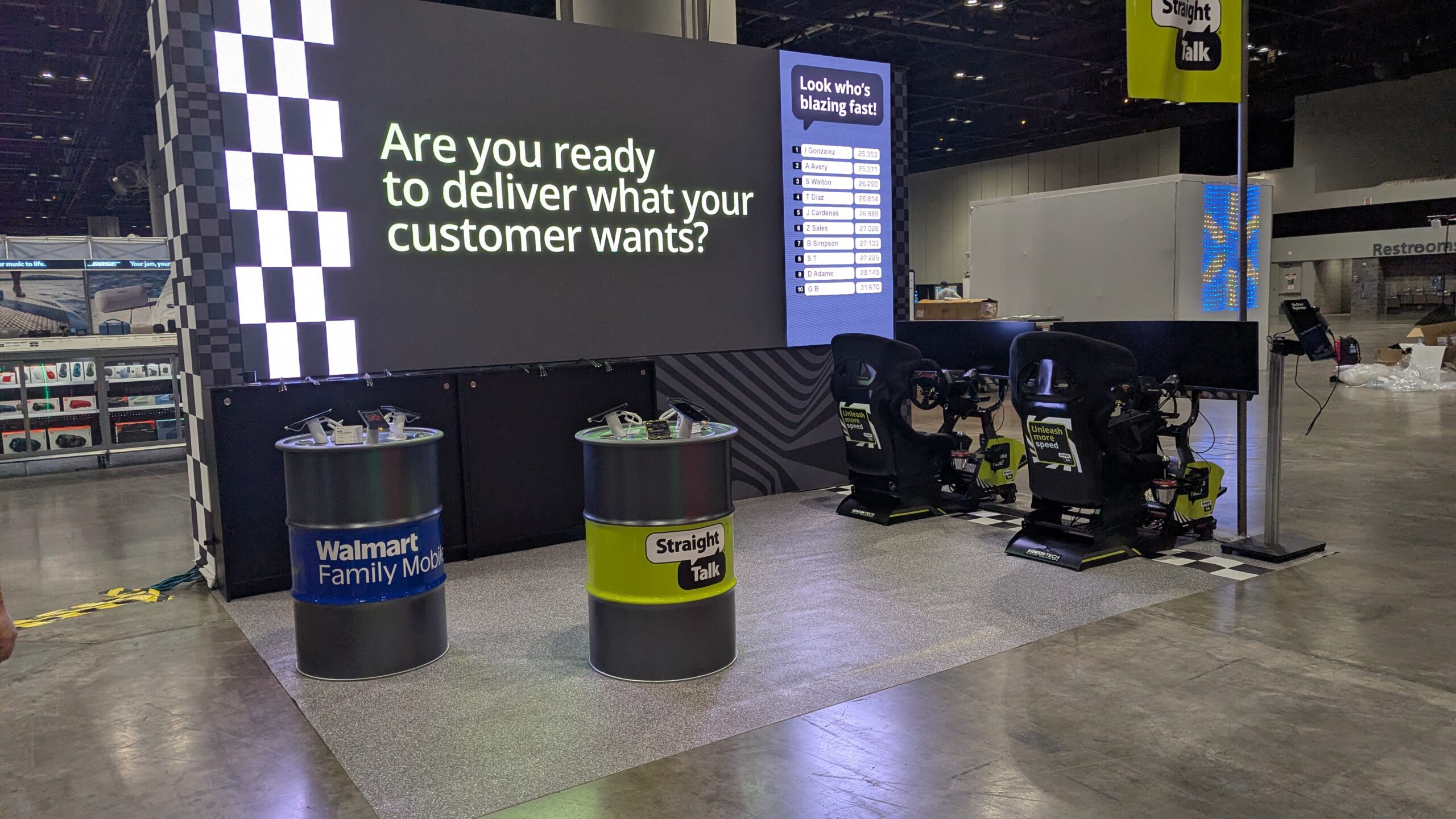
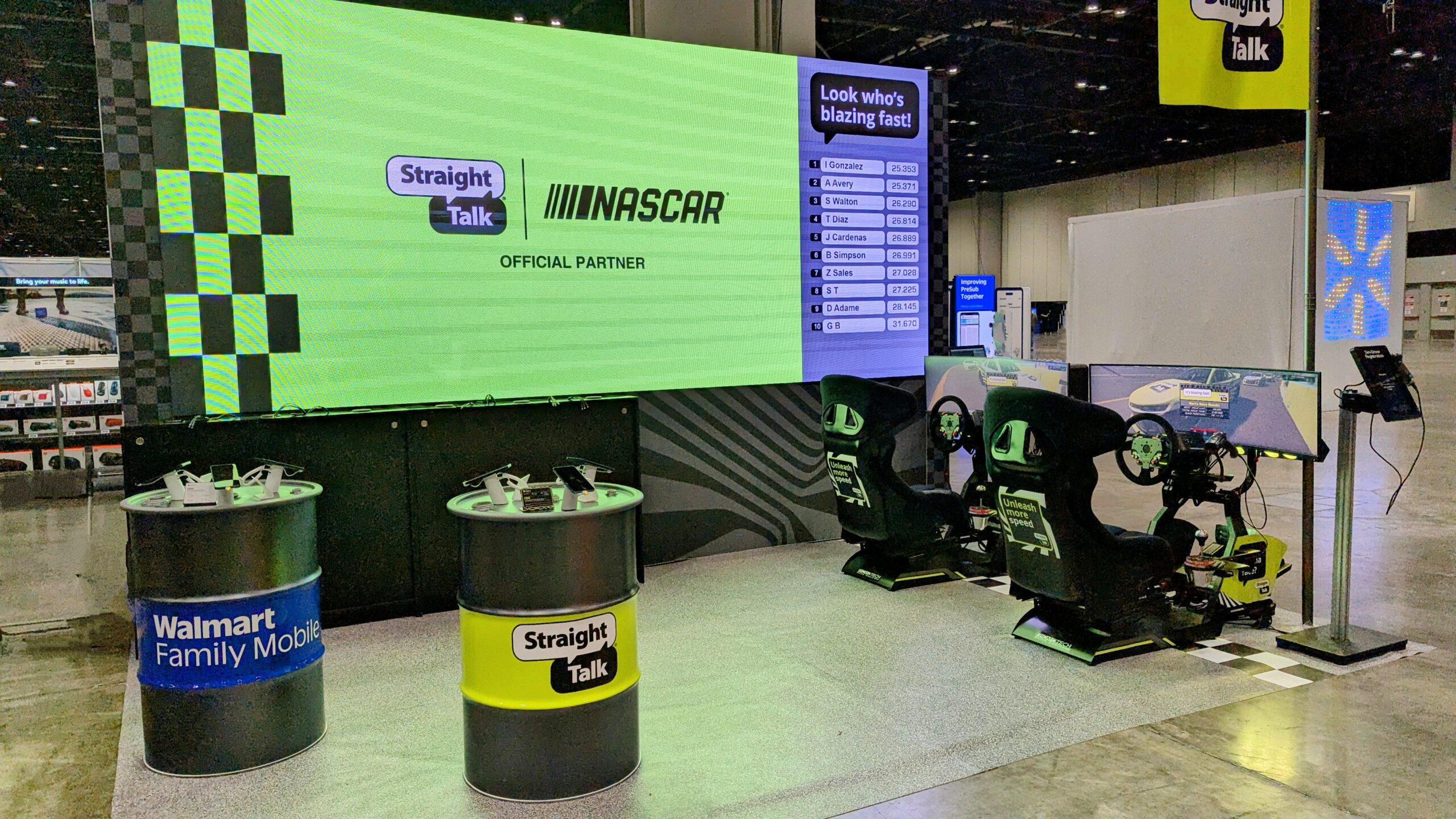
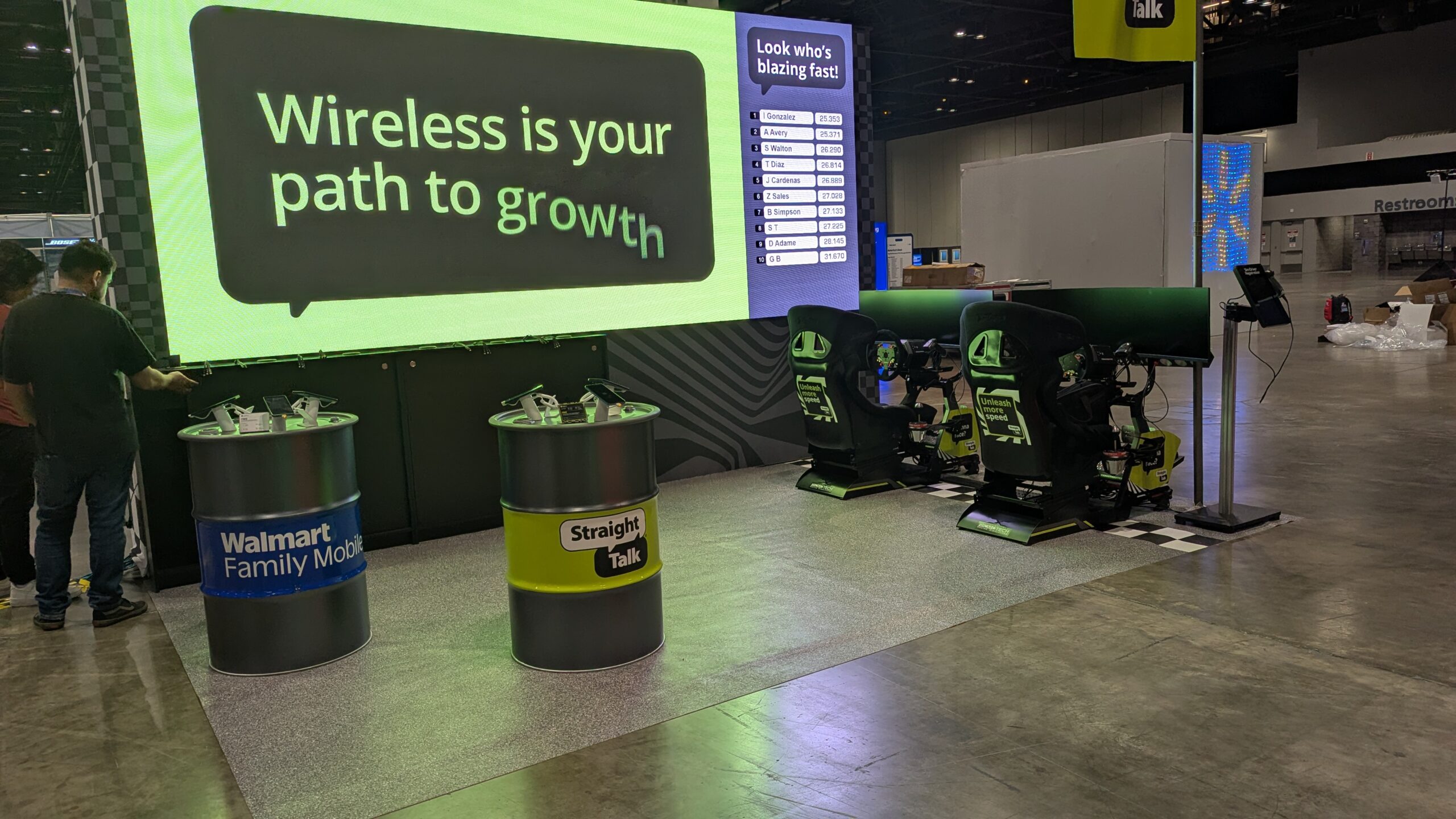
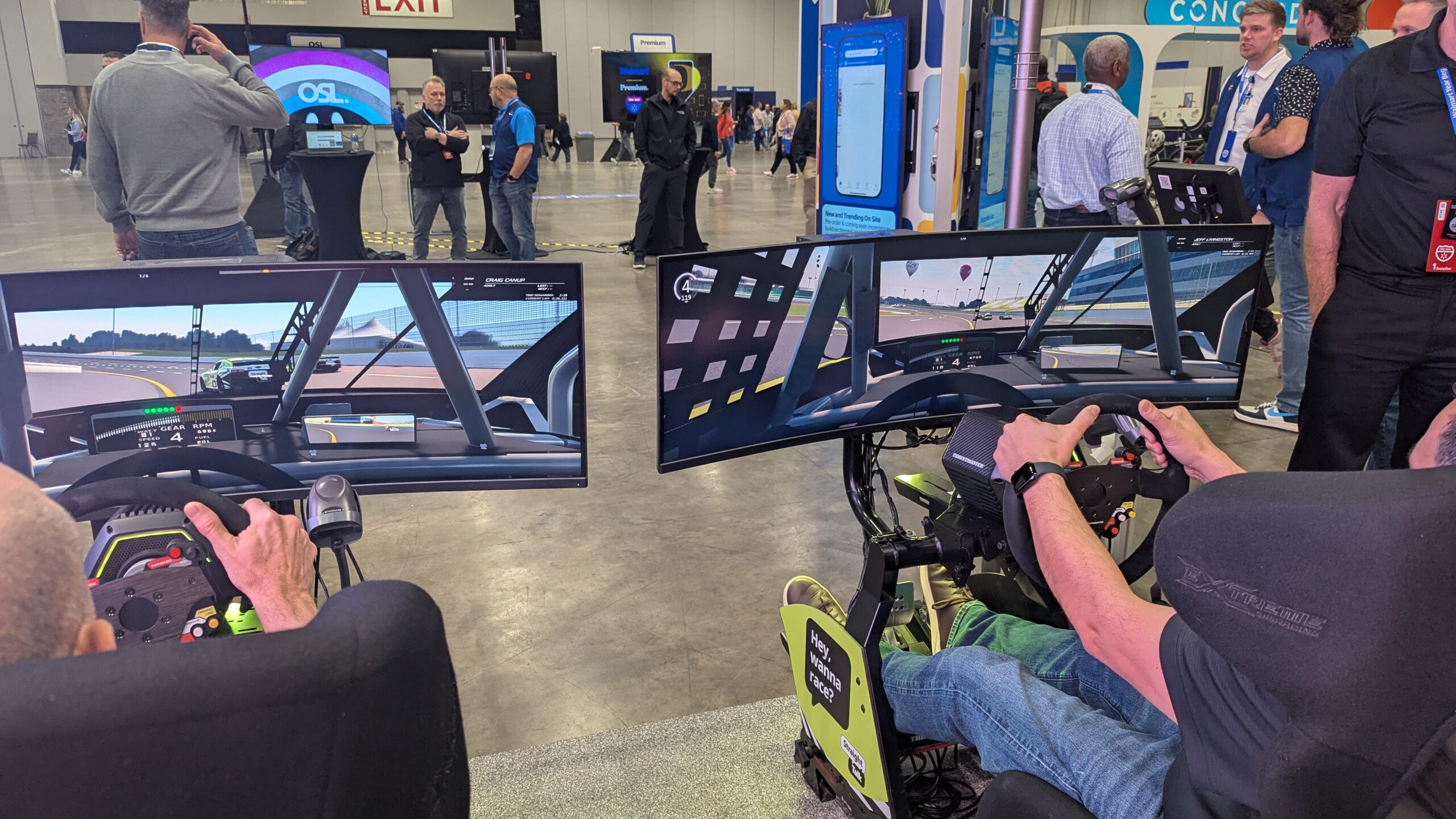
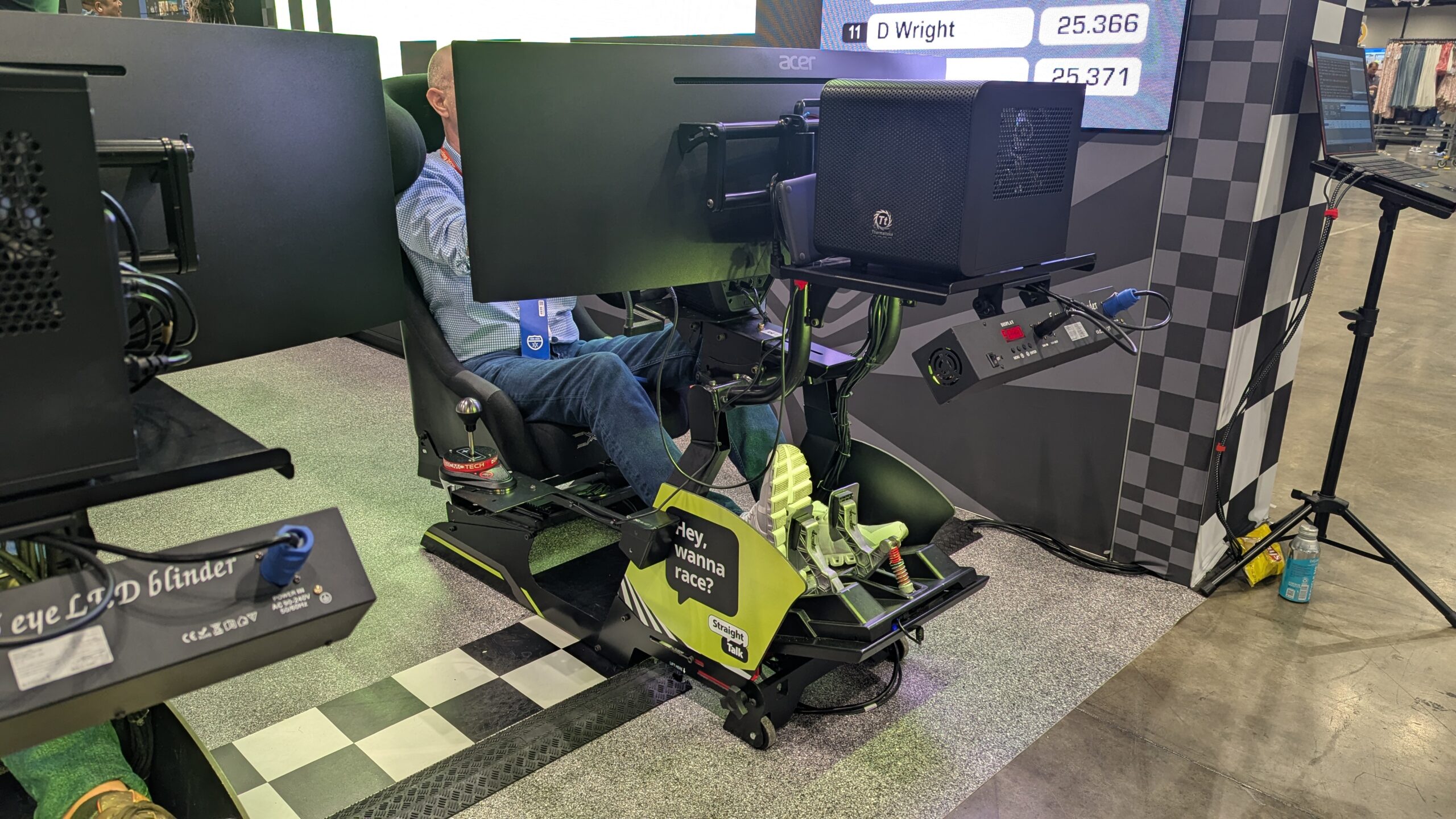
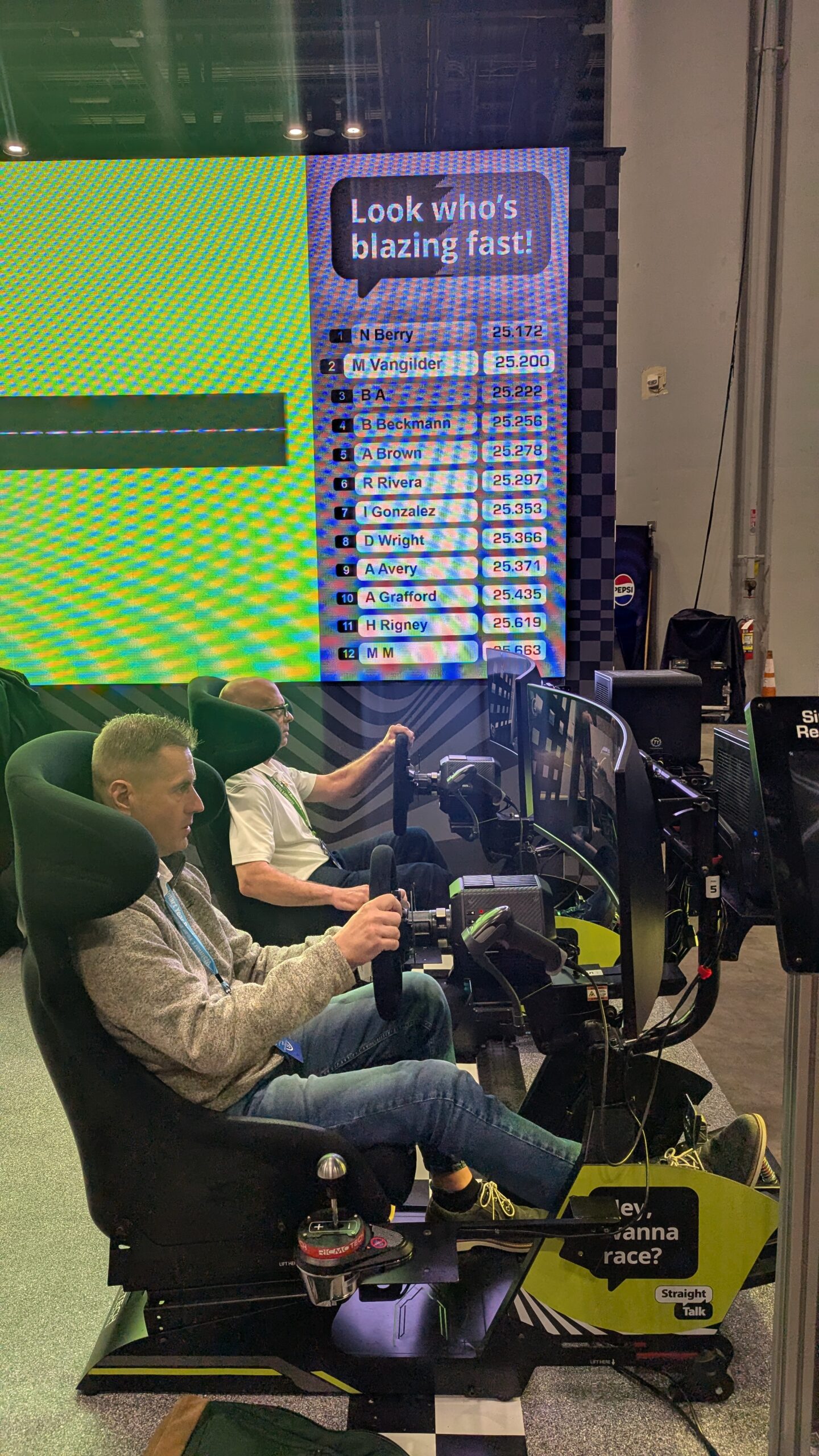
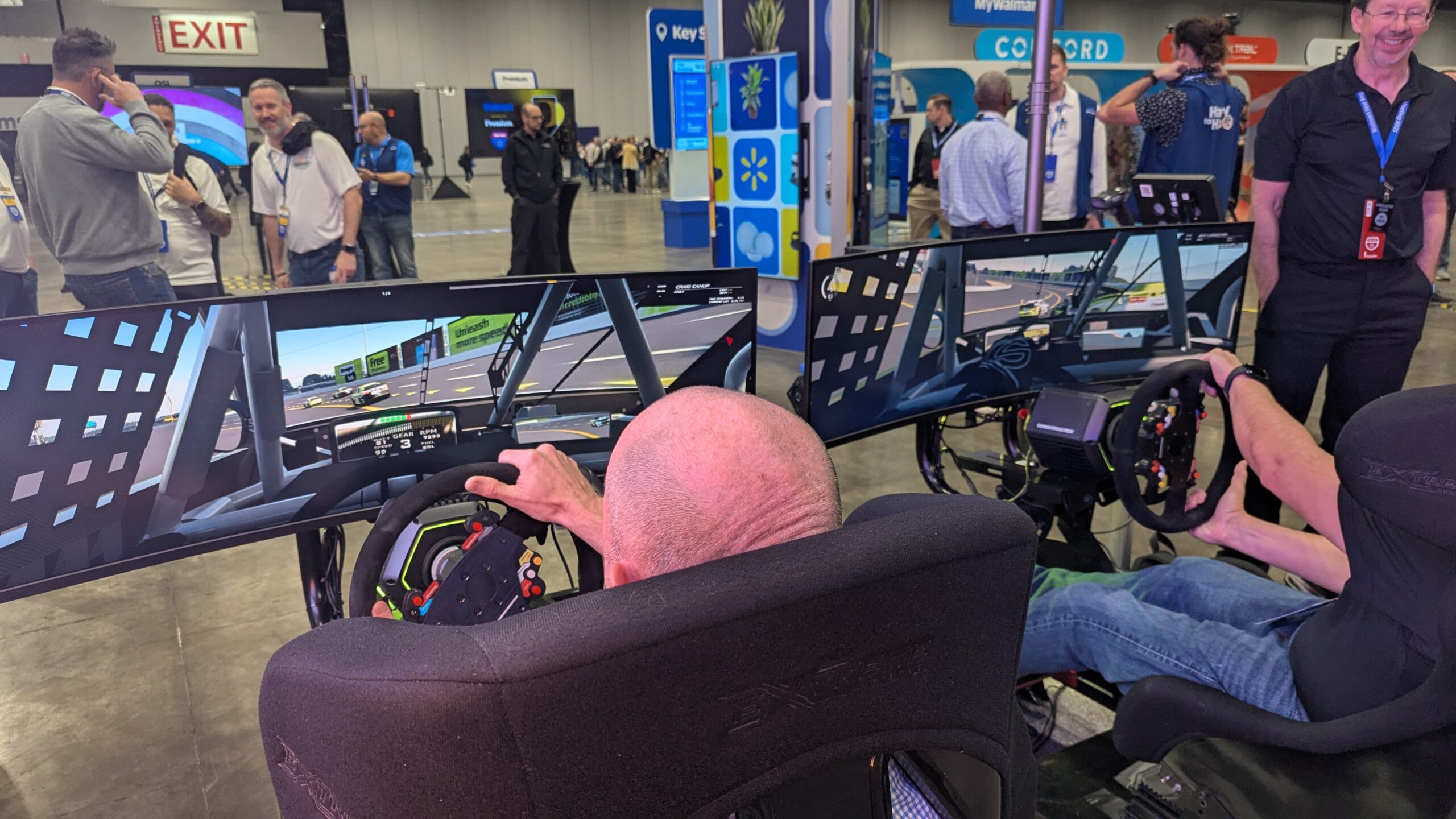
The simulators are available as both motion and motionless units.
Incorporating a motion system into a DUI simulator significantly enhances the effectiveness of the training demonstration by providing a more realistic and immersive experience for participants. When drivers navigate the simulator while experiencing the physical sensations of a vehicle in motion—such as tilting during turns and jolting from sudden stops—they gain a deeper understanding of how impaired driving affects vehicle control.
The motion system simulates real-world conditions that can lead to accidents, allowing participants to experience the consequences of distracted or intoxicated driving in a controlled environment. This realistic feedback not only heightens awareness of the dangers of impaired driving but also reinforces the importance of making safe choices behind the wheel.
Furthermore, by mimicking the actual physical sensations associated with driving under the influence, participants are more likely to retain the lessons learned during the training. This immersive approach fosters a stronger emotional connection to the material, making the training more impactful and memorable. Overall, the addition of a motion system transforms the DUI simulation from a mere educational tool into a powerful experience that drives home the critical message of responsible driving.